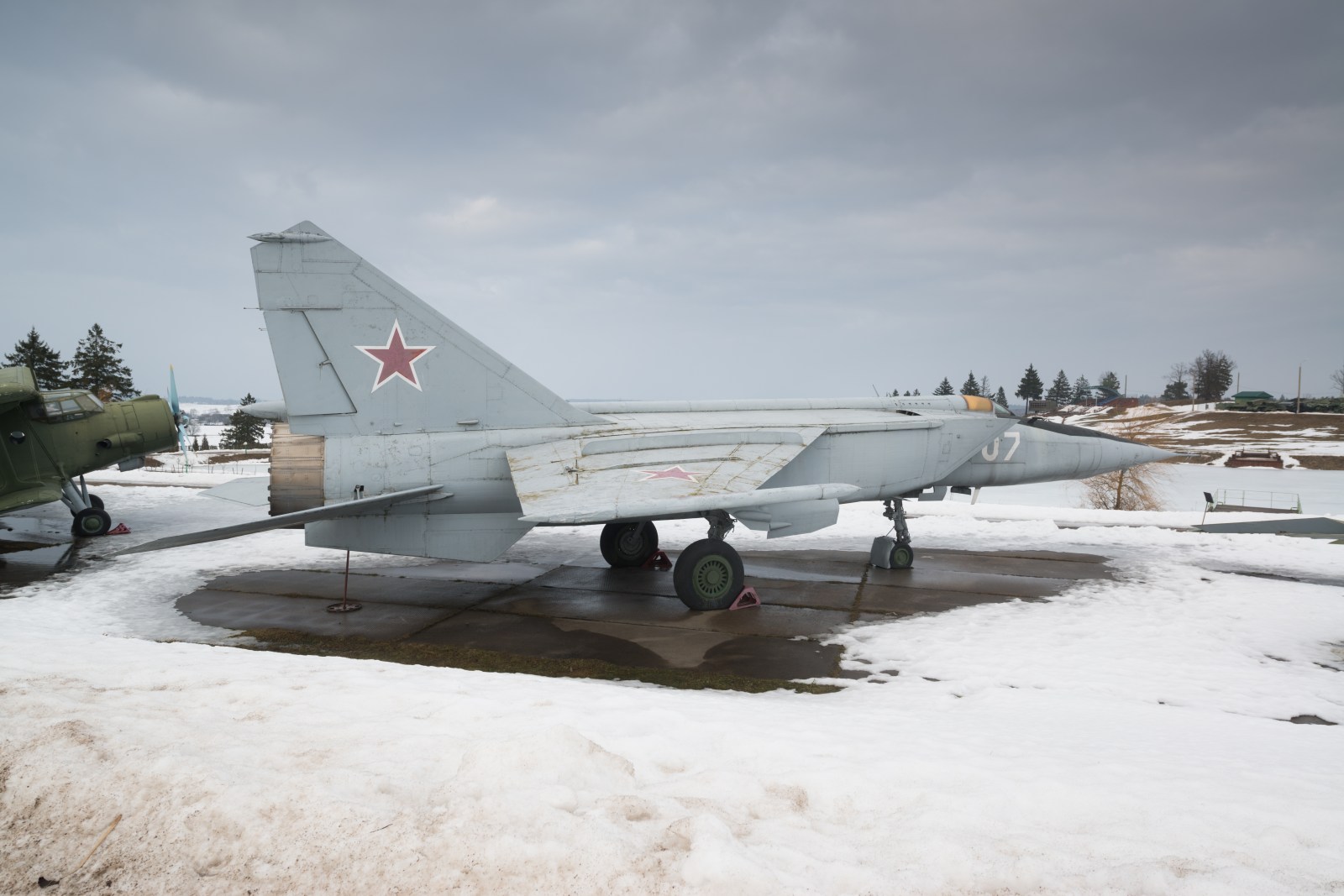
Fifty years ago, Soviet pilot Viktor Belenko significantly impacted the Cold War with his daring defection. On September 6, 1976, Belenko, a 29-year-old lieutenant, left Chuguyevka Airbase near Vladivostok, navigating his MiG-25 Foxbat to Japan to escape Soviet surveillance. With minimal fuel, he crash-landed in Hokkaido, seeking asylum in the United States.
Belenko’s defection offered the U.S. valuable intelligence on the Soviet Union’s aviation capabilities. Former CIA Director George H. W. Bush described it as an “intelligence bonanza”. Belenko subsequently earned U.S. citizenship and collaborated with the government and aerospace firms until his passing in 2023.
Defections in Modern Russia
Contemplating Belenko’s legacy, Russian President Vladimir Putin faces his own series of defections since Ukraine’s invasion. Several high-ranking individuals have left Russia, although none have mirrored Belenko’s dramatic exit.
Anatoly Chubais, a prominent figure in Russia’s economic reforms and former Kremlin advisor, relocated to Israel, establishing the Center for Russian Studies at Tel Aviv University. Due to financial failings, courts commanded large penalties, which Chubais criticized as governmental oppression.
Gleb Karakulov, part of Russia’s Federal Protective Service (FSO), also defected. Responsible for essential communications among senior officials, Karakulov fled to Turkey, revealing insights into Putin’s secluded lifestyle.
Miroslav Simonov, another defector, revealed insights into Russia’s drone operations after defecting to Ukraine. Utilizing the “I Want to Live” initiative, Simonov transitioned across the front lines, enhancing understanding of Russian military strategies.
Incentives and Risks
Ukraine encourages defections with rewards for personnel delivering military aircraft, even drafting laws to remunerate such actions. In 2023, pilot Maksym Kuzminov accepted this offer, flying his Mi-8 helicopter to Ukraine.
Despite receiving financial rewards and relocation assistance, Kuzminov faced threats that culminated in his violent death in Spain. This case highlights the peril those who defect from Russia face.
Russia imposes severe penalties to deter defections. Sentences for desertion, voluntary surrender, or treason are rigorous, exemplified by Mikhail Zhilin, a former FSO major, currently jailed in Siberia.
Impact on Russian Emigration
The large-scale emigration since partial mobilization announcements in 2022 presents a challenge for the Kremlin. According to Frontex, the EU saw increased Russian arrivals, while Kazakhstan and Georgia received numerous expatriates.
Analysis by The Bell in 2024 indicates over 650,000 Russians emigrated. These emigrants are typically young, educated, and skilled. The OutRush survey noted that a significant proportion are highly educated professionals from fields like IT, culture, and science.
The phenomenon echoes smaller-scale defections akin to Belenko but lacks the combined technological and intelligence advantages Belenko presented. Future defections might yield substantial intelligence gains, whether manifested through aircraft or strategic knowledge.
Leave a Reply