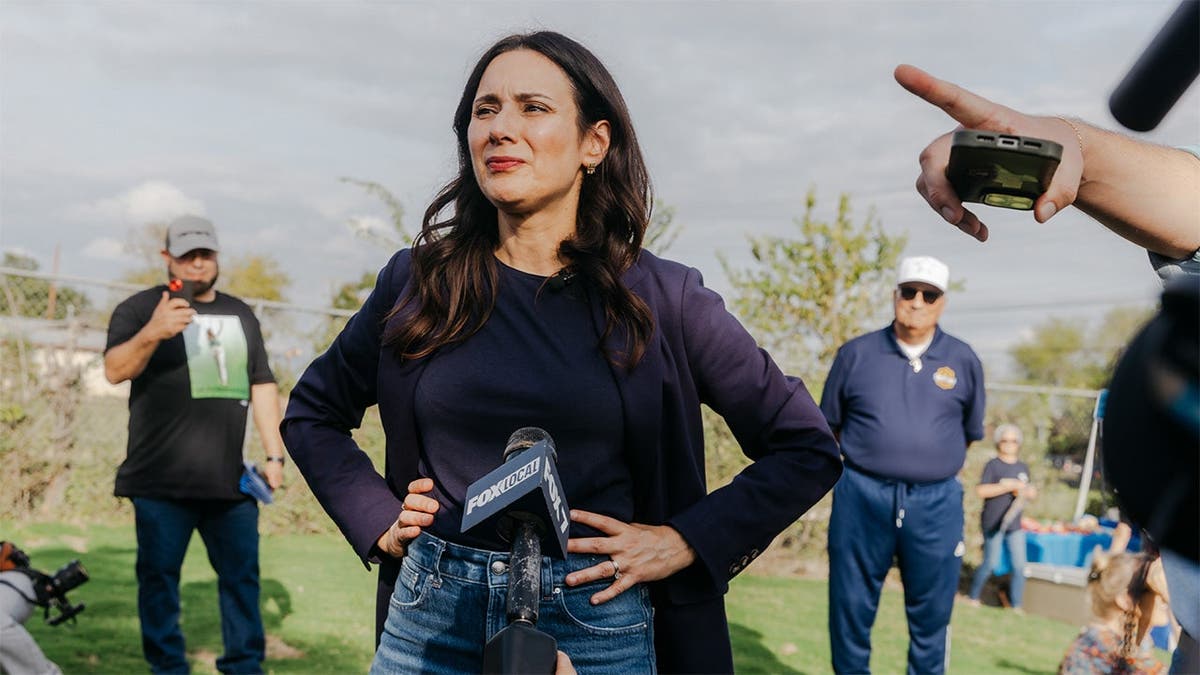
Newly elected Texas Governor, Gina Hinojosa, plans to implement an emergency freeze on utility rates. This approach signifies a significant shift in Texas, a state historically dominated by conservative policies. Experts, however, express concerns over potential pitfalls of such policies, particularly in a state with a competitive energy market.
The plan has gained attention as other Democratic-led states consider similar measures. On her first day in office, Hinojosa pledged to freeze residential electricity rates, raising fears of potential energy shortages. Sam Romain, chairman of Americans for Energy Dominance, warned against the simplicity of such promises. “It’s not a matter of waving a magic wand,” Romain stated.
“Price is driven by supply and demand,” Romain explained. “Freezing rates doesn’t solve supply issues.”
Other Democratic governors are adopting varied strategies. In Virginia, Governor Abigail Spanberger advocates a six-year rate freeze while pushing for higher bill credits. New Jersey Governor Mikie Sherrill initiated a credit system to alleviate electricity costs. Similarly, California’s Xavier Becerra has promised to freeze utility rates, aiming for long-term solutions.
Wisconsin’s David Crowley and Ohio Democrats propose capping utility bills and rent increases as part of broader affordability plans. These initiatives, however, face criticism from individuals like Romain, who argue they discourage energy production.
“These freezes don’t foster construction,” Romain emphasized. “Developers lack incentive without clear profit margins.”
Legal challenges may also arise. Experts question the emergency powers Hinojosa plans to employ in Texas. Nick Loris of C3 Solutions highlighted potential legal resistance, debating the applicability of such emergency declarations.
Despite expected legal hurdles, opportunities for bipartisan strategies may emerge. Romain suggests focusing on permitting reform to stimulate energy production, viewing it as a chance to bridge political divides.
“We need to let American companies innovate,” Romain argued. “Our country was built by creators; let them build the infrastructure needed.”
This perspective underlines a potential area for cooperation between parties, aiming at deregulating energy production to meet demands effectively.
Leave a Reply