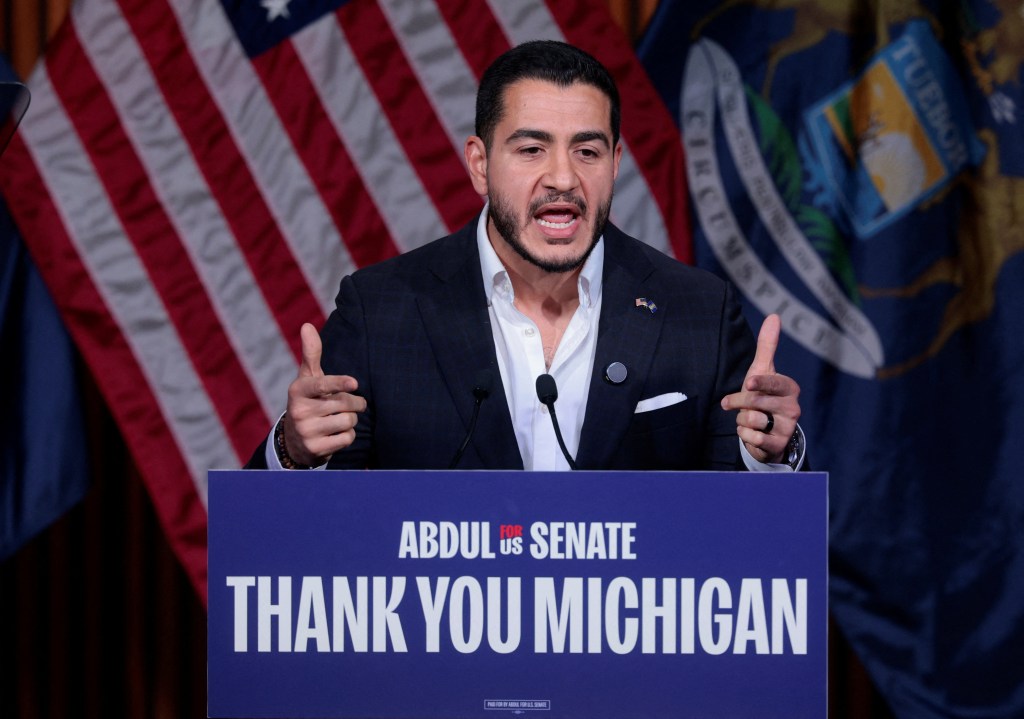
The recent political shifts in the U.S. reflect a challenging period for the Republican Party. With significant wins, Democrats are now prioritizing measures against Republicans. Observers noted this during speeches from Michigan’s newly elected Sen. Abdul El-Sayed and Minnesota Sen.-elect Peggy Flanagan, who emphasized dismantling ICE and other bold agendas.
In harsh terms, figures like NYU’s Scott Galloway criticized public figures such as Elon Musk, labeling him a ‘traitor’ and suggesting severe consequences. The confidence within the Democratic ranks suggests potential overreach, which may alienate voters by the 2028 elections. Meanwhile, new House Speaker Hakeem Jeffries faces the task of managing diverse party voices.
Instances of internal Democratic conflicts were evident, such as when Michigan’s Haley Stevens clashed with El-Sayed over allegations of antisemitism. The consequences were severe, affecting her political standing and serving as a warning to those opposing the dominant party narrative.
President Trump’s influence on the recent electoral outcomes is undeniable. His confrontational approach and choice of candidates affected his approval ratings, now at a low of 38%. Major issues like high prices and the contentious Iran war swayed voters against him.
Notable Democratic victories include successes by Sen.-elect Annie Andrews defeating a Trump-backed candidate and Troy Jackson achieving a significant win in Maine. Analysts point to energy costs and economic concerns as pivotal factors. Republican figures like Newt Gingrich highlighted the role of gas prices and economic dissatisfaction as key electoral issues.
Democratic strategies unified messages around living costs, immigration, and corruption, resonating with voters. Prominent incidents, such as payment for Don Jr.’s wedding by a Russian oligarch and other controversies, compounded the Republican challenges.
As Democrats prepare to take legislative control, investigations into Trump and his associates loom. Trump’s leadership style, once an asset, now drives opposition turnout. It is critical for him to adjust strategies, focusing on concluding the Iran conflict and stabilizing the economy.
Historical precedents from Barack Obama and Bill Clinton illustrate paths to rebound post-midterm defeats, suggesting a focus on executive actions and recovery. Looking ahead, both parties anticipate a crowded field of contenders for the 2028 presidential race, forecasting dynamic shifts in American politics.
Leave a Reply