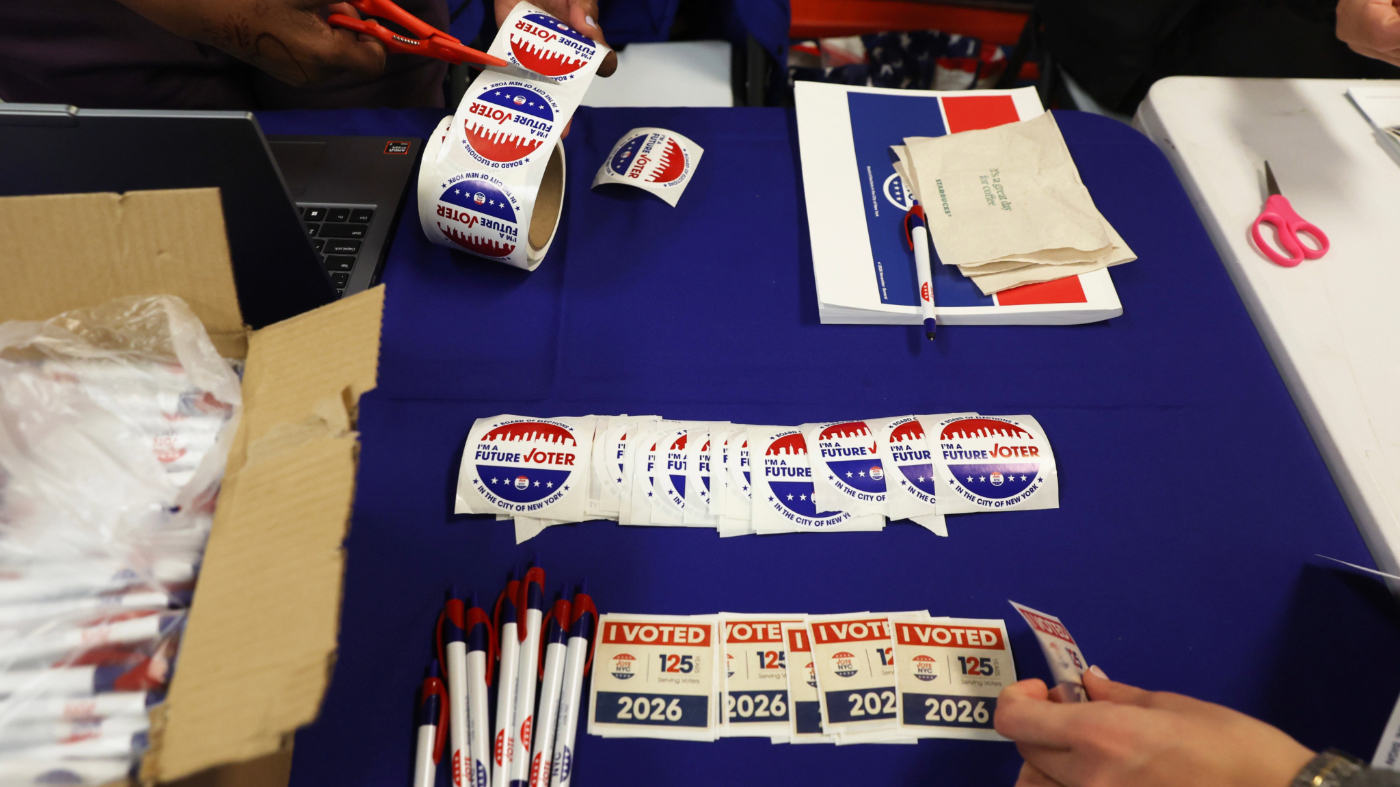
On the first day of early voting in New York, people eagerly participated, marking an important moment as the midterm elections loom. If Democratic and independent voters show strong turnout, Democrats stand a chance at securing majorities in both the House and Senate. This shift could counterbalance two years of Republican control under President Trump.
The motivations for voting against continued Republican leadership are clear. Many voters are dismayed by the administration’s harsh policies and corrupt practices. Trump’s actions have adversely affected the affordability of essentials like gas, groceries, housing, and healthcare, leaving many dissatisfied.
Democratic Alternatives
A vote for Democrats represents a call for accountability and adherence to the rule of law. Republican congressional leaders have avoided serious oversight of President Trump, allowing authoritarian tendencies and law violations to go unchecked. Democratic majorities would likely change this dynamic.
For instance, Republicans have consistently shielded Trump from full transparency regarding his connections to Epstein. In contrast, a recent 50-page report by House Judiciary Committee Democrats highlights new allegations of misconduct by Trump and attempts to suppress related investigations.
The financial corruption involving Trump and his family requires thorough congressional investigations. Additionally, the harsh actions by Immigration and Customs Enforcement have led to numerous unjust detentions and fatalities, needing immediate attention and reform.
Impact on the Judiciary
A Democratic majority in the Senate could hinder Trump’s appointments of unqualified individuals to lifetime federal judgeships, thereby protecting the rights and well-being of Americans. Legislative reforms could reinforce courts in safeguarding the rights of all citizens, beyond the affluent and influential.
Legislative Priorities
House Minority Leader Hakeem Jeffries (D-N.Y.) has identified key legislative priorities for a potential Democratic Congress. These include making health insurance more affordable by restoring Affordable Care Act subsidies eliminated by earlier Republican actions. This agenda also seeks to reverse extensive Republican cuts to Medicaid that threaten healthcare access for vulnerable populations.
Democrats aim to reestablish Congress’s constitutional authority over tariffs, limiting Trump’s erratic trade policy changes. Such initiatives might attract bipartisan support, though the current Speaker, Mike Johnson (R-La.), has repeatedly obstructed efforts to challenge the White House.
Challenges and Expectations
While optimism is high, some challenges remain. Polls have previously misjudged outcomes, and the surge of dark money in elections might skew results. Additionally, the current administration’s potential for election interference casts a shadow on the process.
Despite these challenges, early voting enthusiasm suggests potential for significant change. This election could mark a pivotal shift towards a government prioritizing public interests over personal gains of a few. A substantial Democratic victory could usher in reforms and progress. Participation is key to realizing this vision.
Svante Myrick serves as the president of People For the American Way.
Leave a Reply