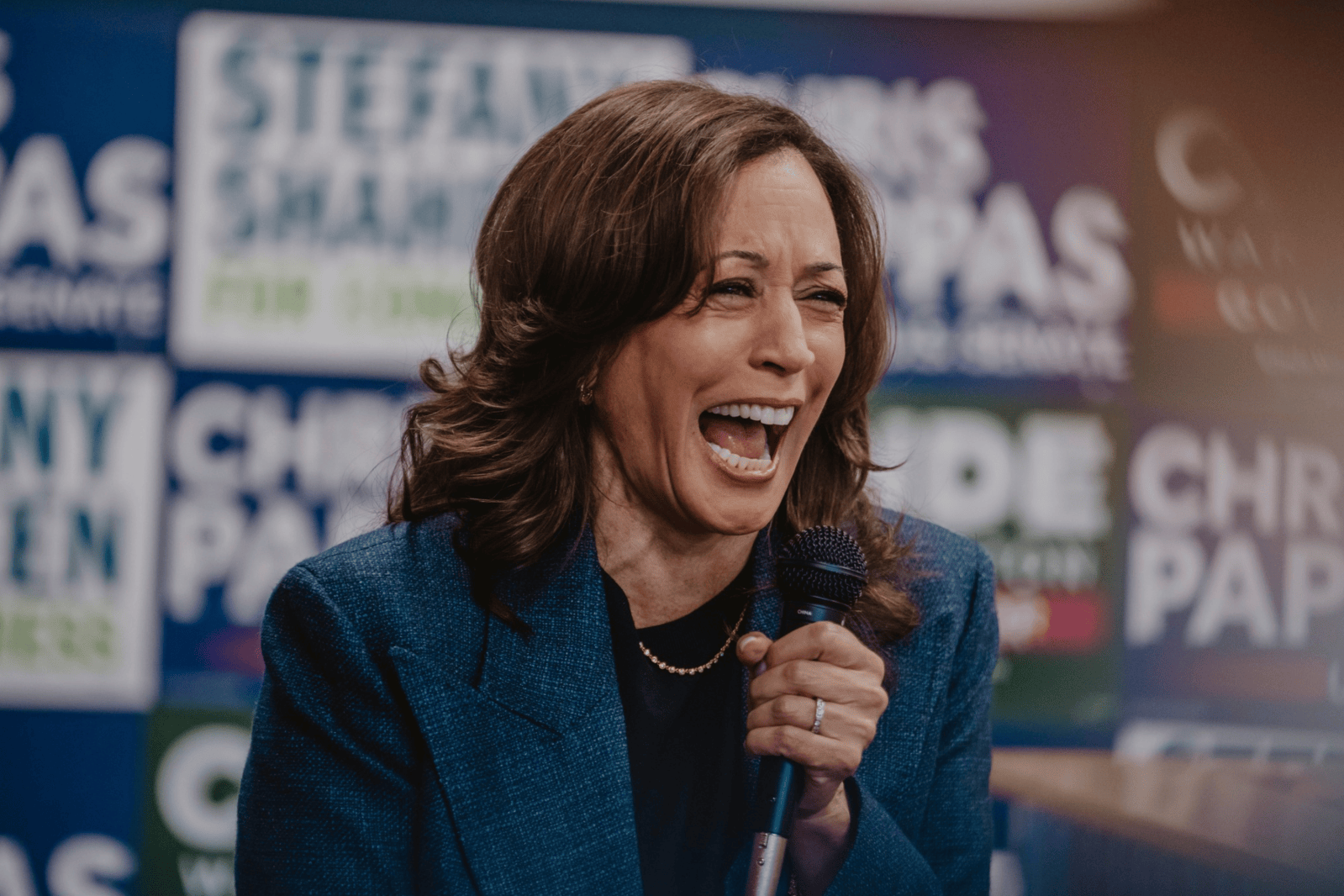
The Democratic National Committee (DNC) has unveiled plans for 12 presidential primary debates leading up to the 2028 election. New polls indicate a close competition among party nominees. The DNC announced that five debates will be held in 2027, followed by seven in 2028, with the first set for June 2027.
Former Vice President Kamala Harris currently holds a slight lead in the latest RealClearPolling national average. Harris has a 1.5 percentage point advantage over Georgia Senator Jon Ossoff, who has gained traction in recent surveys. Other notable contenders include New York Representative Alexandria Ocasio-Cortez and former Transportation Secretary Pete Buttigieg, both at 14%, while California Governor Gavin Newsom follows at 11.3%.
Polling Insights
Harris leads the RealClearPolling average with 16.5%, pursued by Ossoff at 15%. Ocasio-Cortez and Buttigieg are tied at 14%, and Newsom holds 11.3%. Senator Mark Kelly from Arizona, Kentucky Governor Andy Beshear, and Pennsylvania Governor Josh Shapiro trail behind. These averages are based on four national surveys between October 31 and November 16.
Harris’s previously substantial lead has narrowed. A Harvard-Harris survey from late September showed Harris at 38%, well ahead of Newsom at 17%. By October, Harris’s numbers had slipped to 34%, with Newsom rising.
In specific polls, an Emerson College survey ranked Ossoff first at 17%, followed by Harris at 16%, Ocasio-Cortez at 15%, and Buttigieg at 14%. The AtlasIntel survey from early November showed Ossoff and Ocasio-Cortez tied at 18%, with Buttigieg ahead of Harris.
Shifting Dynamics
Recent surveys highlight Ossoff’s expanding support despite varying results from different pollsters. Echelon Insights recorded a rise from 8% in September to 10% in November. Harvard-Harris also noted growth, from 6% in September to 7% in October. Meanwhile, Harris has seen a decline in support in some polls, stabilizing at around 19% in recent months.
Buttigieg shows improvements, climbing from 10% in September to 15% in November, according to Echelon. Newsom, conversely, has lost ground, dropping to 11% in November.
Both Ocasio-Cortez and Ossoff gained momentum in the Echelon polls. Candidates differ among surveys, impacting results, and not all politicians have announced their campaigns.
Predictive Markets
Prediction markets offer a distinct perspective, diverging from national polling for Harris and Ossoff. A Polymarket summary on November 23 showed Ossoff at 22.9%, down 3.3 points over seven days. Ocasio-Cortez followed at 14.1%, Newsom at 9.7%, and Harris at 4.6%. These markets reflect trading values rather than voter preferences.
DNC Debate Strategy
The DNC’s schedule proposes initial debates in June and July 2027, concluding in March 2028. Dates and locations will be specified in January, as the committee anticipates a crowded field. Early debates may occur on consecutive nights with up to 20 candidates. Polling and funding requirements must be met, but specifics remain undetermined.
DNC Chair Ken Martin emphasized maintaining momentum from recent electoral victories. He believes debates will unify the party and strengthen the nominee.
New Campaign Rules
The DNC’s Fair Campaign Practices Pledge targets super PAC influence, requiring candidates to denounce undisclosed spending. Candidates must appoint representatives to manage complaints. The DNC will track and publish complaints and denunciations, though legal limitations apply.
Critics and supporters have emerged. Rob Flaherty criticized the pledge’s efficacy, while Bernie Sanders supported reducing super PACs’ role. New Hampshire’s state law and early primary role may complicate the debate calendar. Further details on rules and qualifications arrive in January.
Leave a Reply