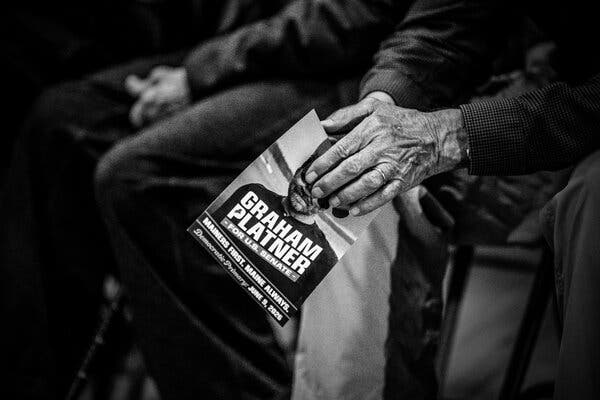
The editorial board of The New York Times addresses a challenging situation faced by the Democratic Party. Earlier this year, Graham Platner emerged as a promising candidate in Maine for the U.S. Senate. A Marine veteran and oyster farmer, he captivated audiences with his charisma, even receiving an endorsement from Bernie Sanders. Unfortunately, his campaign has been suspended due to a rape allegation, which he denies, following months of damaging revelations.
This development complicates the Democrats’ efforts to secure a crucial Senate seat, as they rush to find a replacement candidate before the state’s deadline. While it’s easy to blame Platner and a flawed vetting process, a deeper issue lies in the party’s reliance on personalities over purpose.
The desire for new, charismatic candidates like Platner is clear. The Democratic Party needs fresh faces who can engage the public, moving beyond the assumption that succession is an entitlement. A robust party should cultivate varied perspectives rather than adhering to a single narrative. Yet, a diverse tent requires substantial debate within it, something lacking in this election cycle.
The party faces questions on immigration, housing, education, and the impending challenges of artificial intelligence. Voters seek change and action, not management. This sentiment is reflected in polls, revealing dissatisfaction among Democrats and a declining favorability rating below 40% nationwide.
In May, the Democratic National Committee released a report analyzing their 2024 presidential loss. Instead of presenting a clear vision, it was incomplete and highlighted a missed opportunity to redefine the party’s direction.
Leave a Reply