Dengue Outbreak in Florida
Florida is experiencing a significant dengue fever outbreak, described by health officials as the largest in the continental United States in decades. This outbreak has led to a substantial increase in cases across several U.S. states, as reported by the Centers for Disease Control and Prevention (CDC).
Current Situation
Data from the CDC reveals that dengue fever cases have risen in at least 15 states, with Florida being the most affected. Florida has recorded hundreds of dengue infections this year, many of which are locally acquired, indicating transmission within the state.
The Tampa Bay region is particularly affected, resulting in emergency declarations across several counties.
Understanding Dengue Fever
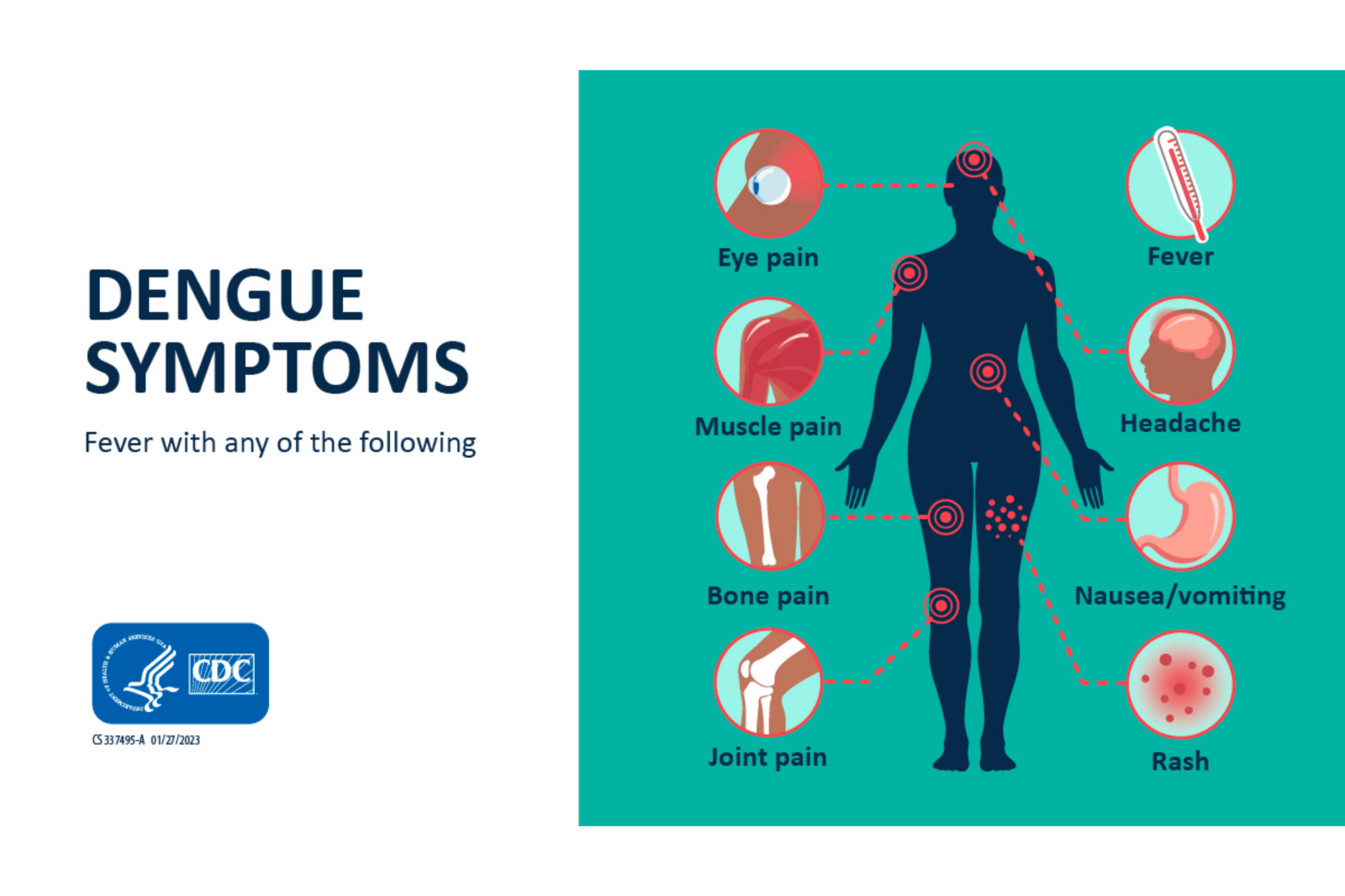
Dengue is a viral disease caused by mosquitoes. Symptoms can include fever, headache, pain behind the eyes, nausea, vomiting, rash, and joint and muscle pain. While most infections are mild, severe dengue can lead to life-threatening complications such as shock and organ failure.
Reasons Behind the Increase
Experts attribute the rise in dengue activity in the U.S. to factors like international travel and the presence of Aedes mosquitoes, capable of virus transmission. Dengue is prevalent in tropical regions, and travelers returning with the virus may inadvertently aid in its spread.
CDC Report on Statewise Dengue Fever Increase
The CDC’s latest data shows an increase in cases since its last update. Florida has seen cases jump from 392 to 485, marking a rise of 93 cases. California follows with an increase from 31 to 45 cases.
- New York: 27 to 31 (+4)
- Texas: 14 to 17 (+3)
- New Jersey: 16 to 19 (+3)
- Illinois: 10 to 13 (+3)
- Washington: 16 to 18 (+2)
- Maryland: 11 to 12 (+1)
- Connecticut: 6 to 7 (+1)
- Massachusetts: 10 to 11 (+1)
- Kentucky: 4 to 5 (+1)
- Indiana: 2 to 3 (+1)
- Nebraska: 2 to 3 (+1)
- Colorado: 10 to 11 (+1)
- West Virginia: 0 to 1 (+1)
Collectively, the CDC update notes an increase of 130 cases.
Measures Going Forward
Health officials urge residents to take preventive measures against mosquito exposure. Recommendations include using EPA-approved insect repellents, wearing protective clothing, and removing stagnant water from residential areas to reduce mosquito breeding.
While most cases in the U.S. are travel-related, the situation in Florida highlights the risk of local transmission when the virus reaches areas where dengue-transmitting mosquitoes thrive.
Newsweek has reached out to the CDC for additional comments on the matter.
Leave a Reply