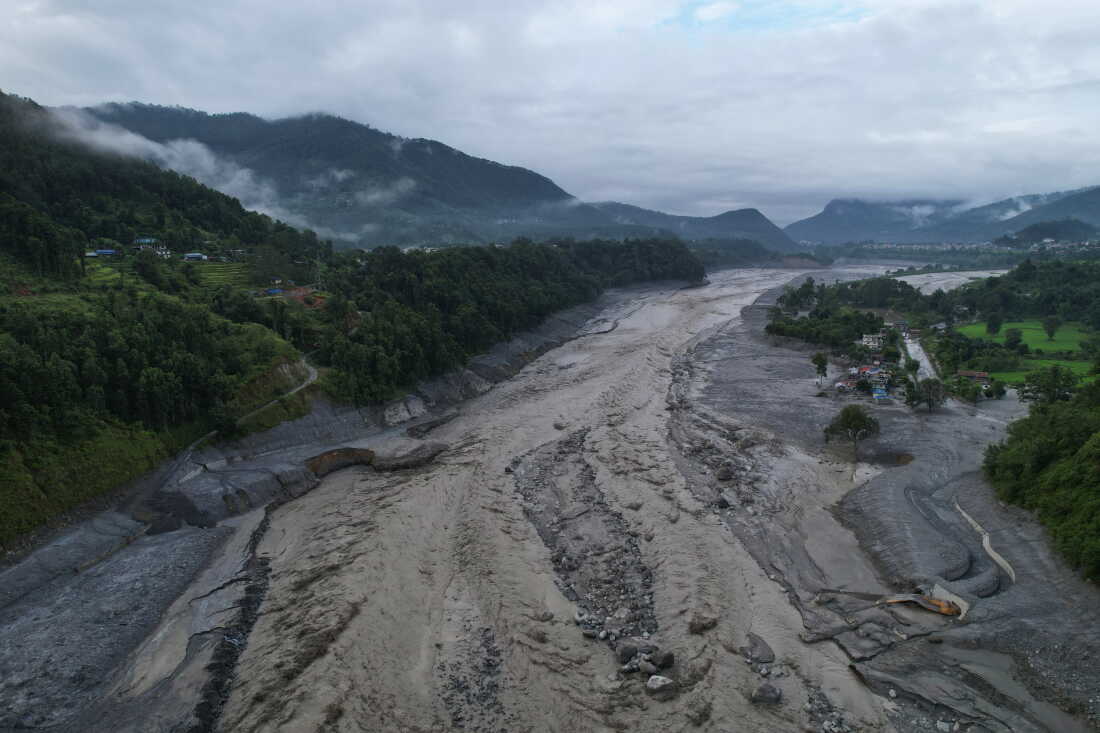
A drone captured the dramatic aftermath of flash floods in Nepal as the waters of the Trishuli river surged over and washed away a significant part of the Pasang Lhamu highway. This natural disaster severed the connection between Rasuwa district and the Nuwakot area.
In Socorro, India, two sisters are faced with the impossible task of finding their missing parents, Shubhakshi and Sumit, who were caught in the floods. Their plea on social media reveals the widespread impact of the disaster. Many posts show images of missing individuals, often pilgirms on a sacred journey to Mount Kailash, who were at or near a border crossing ravaged by the floods.
Previous deadly incidents during pilgrimages are not new. Overcrowding has led to tragic outcomes, such as the Kumbh Mela stampede, which claimed over 30 lives, and a crush in Mecca resulting in over 2,400 deaths. Yet, floods sweeping away devotees in the Himalayas pose rare and ominous challenges, exacerbated by climate change.
The number of pilgrims unaccounted for remains uncertain. However, social media posts suggest they form a considerable portion of the reported 853 missing foreigners, including 287 missing Indians and 80 Americans. Among the missing is Vivek Srivastav, a biotech scientist from Atlanta reported missing by his family.
Srinvastav, along with others, embarked on a pilgrimage to Mt. Kailash. This Himalayan peak holds deep religious significance for Hindus, Buddhists, Jains, and indigenous Tibetan religions. Historian Hindol Sengupta explains the sacred journey to Mt. Kailash is paramount for many, representing the spiritual abode of Lord Shiva in Hindu belief.
Scaling Mt. Kailash is forbidden due to its revered status, but pilgrims traditionally undertake a grueling 3-day trek around its base. Despite the physical demands, pilgrims like Sanghamitra and Debarshi Banerjee chose for their faith to travel to the mountain, which contributed to their disappearance during the flash floods.
The glacier collapse, near the Nepal-Tibet border, triggered the floods that engulfed the Gyirong Port Immigration Office. Video footage showed floodwaters swallowing this multi-story building entirely.
“A well-constructed concrete building just vanished,” lamented spiritual leader Sadhguru, who shared the Isha Foundation’s loss of contact with 3 guides and 77 pilgrims.
At an event in Kathmandu, Sadhguru reflected on the group’s tragic circumstance. Despite efforts to maintain discipline and avoid border delays, the disaster outpaced their planning. He urged acceptance of the loss, emphasizing the rescue and relief efforts.
The urgency to address climate change’s role in these Himalayan disasters cannot be overstated. The ICIMOD reports a doubling rate in glacier ice loss over the past quarter-century.
Historian Sengupta highlights the pilgrimage’s growing popularity putting pressure on the delicate ecology of the Himalayas. Infrastructure improvements exceed traditional pilgrimage paths, catering to the increasing wealth of Hindus. Though not directly responsible for the glacier collapse, Sengupta suggests the management of tourism could benefit from respecting the fragile mountain ecosystem.
In Mumbai, India, journalist Omkar Khandekar contributed to the ongoing coverage of the disaster.
Leave a Reply