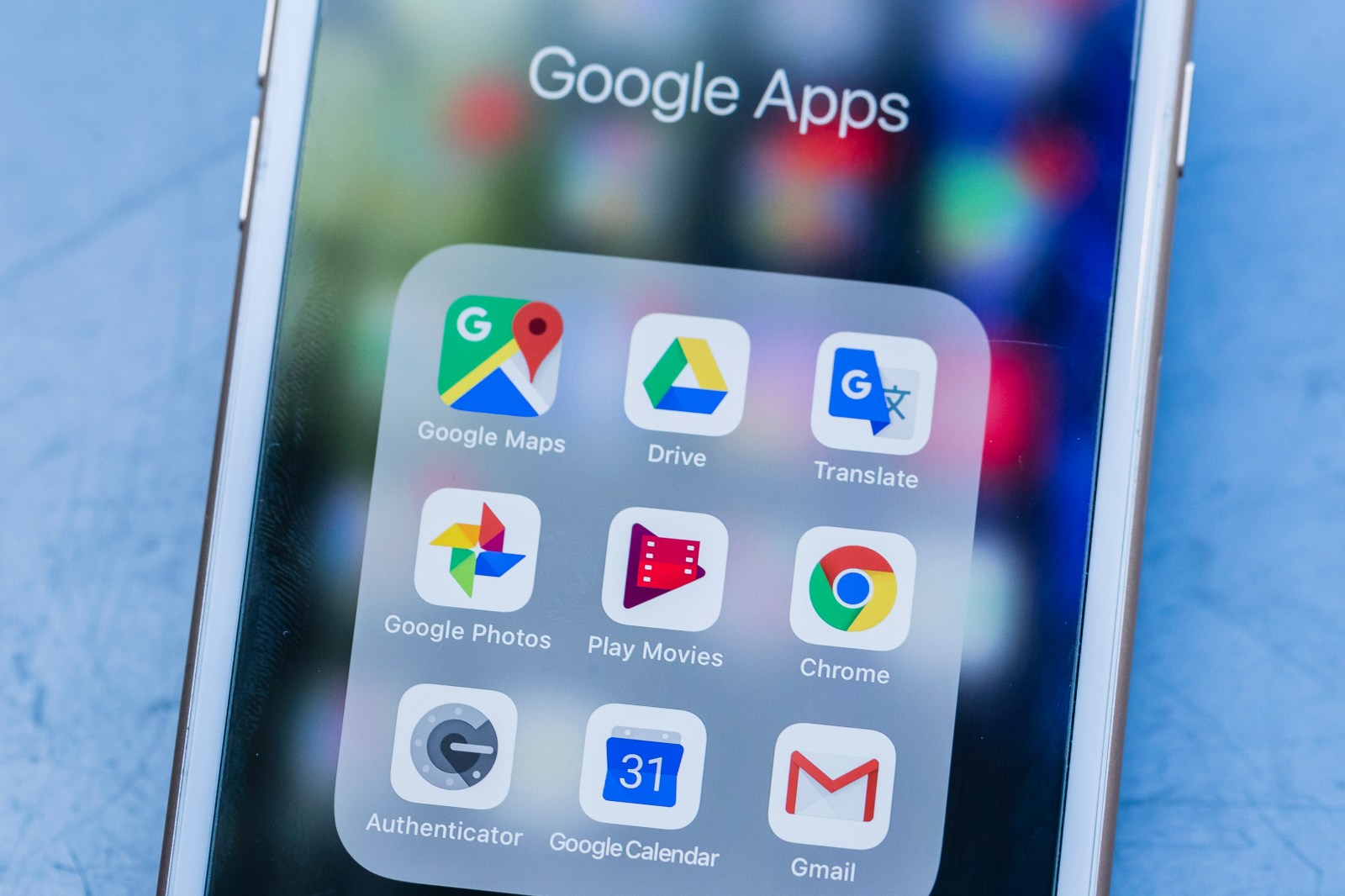
On Monday, Americans who check their phones might notice differing holiday descriptions depending on their calendar app. Apple’s U.S. Calendar shows both Columbus Day and Indigenous Peoples’ Day, while Google Calendar lists only Columbus Day. This discrepancy highlights the national debate over Christopher Columbus’ legacy and whether the second Monday in October should celebrate him, honor Indigenous peoples, or acknowledge both.
Google’s Change in Approach
Previously, Google manually added various cultural celebrations to users’ calendars. In mid-2024, they shifted to rely mainly on public holidays and national observances from Timeanddate.com. Google noted that feedback showed many events were missing and maintaining such a list wasn’t feasible.
“We got feedback that many other events and countries were missing, and it just wasn’t feasible to put hundreds of moments in everyone’s calendars,” Google stated.
Columbus Day remains the federally recognized holiday, but Indigenous Peoples’ Day is celebrated in various forms across several states and Washington, D.C.
Significance of Display Differences
The differences between Apple and Google Calendar highlight the broader U.S. disagreement on how to view October’s federal holiday. For many, Columbus Day marks Columbus’ 1492 voyage and is significant in the Italian American community. It also acknowledges the past discrimination faced by Italian immigrants.
In contrast, many Native Americans and critiques view Columbus as a symbol of colonization and violence. They view the holiday as neglecting the displacement and losses of Indigenous communities. As a response, Indigenous Peoples’ Day notes Native American history and culture.
Holiday Acknowledgment by States
Some states, including Montana, Nebraska, Ohio, Pennsylvania, and Rhode Island, recognize both Columbus Day and Indigenous Peoples’ Day. The question of which holiday to prioritize remains contentious.
“The debate over today’s holidays has become another political battleground, another way to divide people into camps,” HR consultant Bryan Driscoll commented.
Driscoll emphasized that Indigenous Peoples’ Day recognizes that history didn’t begin with European settlers. It brings attention to Columbus’ legacy, which includes colonization and suffering.
Calendar Company Policies
Google Calendar users can customize their views to show public holidays or add holidays from other regions. Apple’s policy of including both holidays reflects its commitment to diversity and inclusion. Meanwhile, Google’s practice simplifies the presentation by following official data sources.
This decision has sparked controversy. Many feel that recognizing Indigenous Peoples’ Day offers a more comprehensive historical perspective.
“Recognizing Indigenous Peoples’ Day challenges that incomplete history. DEI is meant to expand our lens so that all cultures and experiences, especially those historically excluded,” said Nichole Pitts, founder of Ethintegrity.
Pitts noted that Apple includes both observances, while Google focuses on federal recognition.
Federal Recognition and Perspectives
Federally, Columbus Day remains acknowledged. President Trump, in his 2026 proclamation, reinforced Columbus’ significance. Conversely, former President Biden first recognized Indigenous Peoples’ Day in 2021, highlighting a different approach.
This discussion stems from varying interpretations of history. Italian Americans view Columbus Day as a commemoration of heritage and a reminder of past discrimination. Native Americans see it as the beginning of detrimental historical events.
As such, Indigenous Peoples’ Day centers the narrative on Native communities and their history.
Driscoll argues that today’s recognition debates reflect broader issues about identity and inclusion in American society.
Continuous Debate and Recognition
Looking ahead, both Columbus Day and Indigenous Peoples’ Day will likely persist separately and jointly in different locations. While federal recognition is unchanged, states and local governments continue exploring varied ways to honor both observances.
Leave a Reply