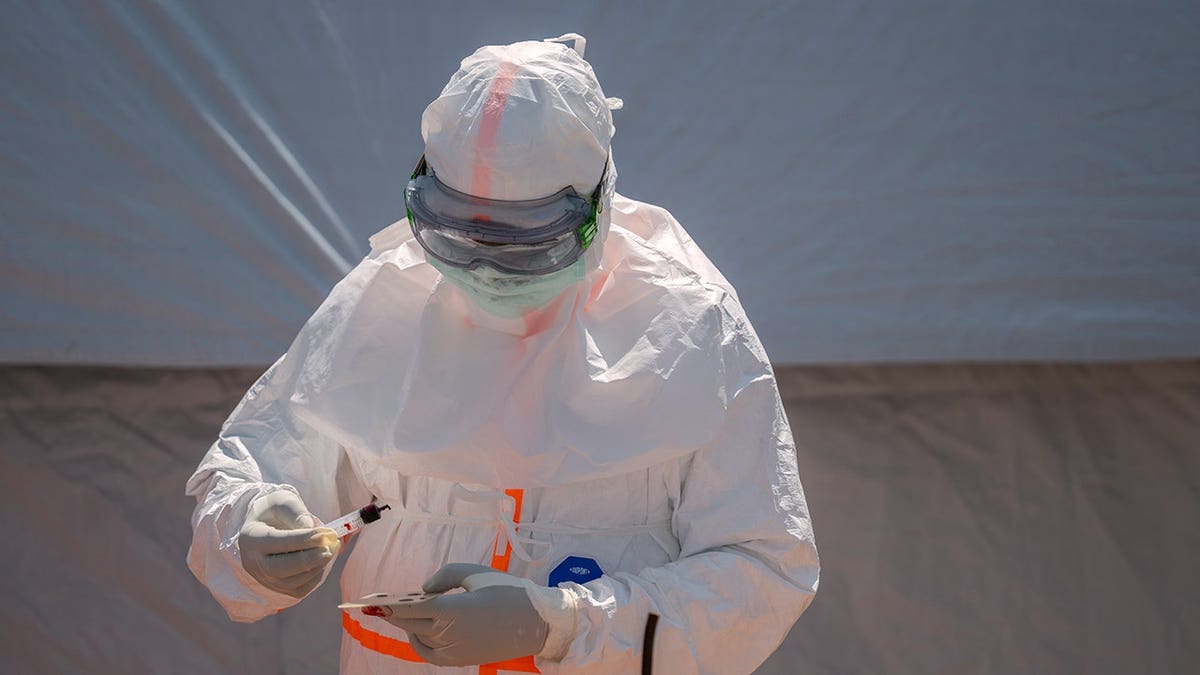
The Ebola outbreak in the Democratic Republic of Congo (DRC) has resulted in over 2,000 deaths. Infectious disease experts urge Americans to stay informed about the overseas crisis while keeping the domestic risk in perspective.
Spread and Impact
The virus has rapidly spread in eastern and northeastern DRC. Government data confirms 4,381 cases. Dr. David Wohl from the University of North Carolina highlighted that the outbreak affects densely populated rural cities.
He described the outbreak’s pace as unprecedented. “The situation is catastrophic, with a significant number of infections occurring quickly,” Wohl stated.
“Controlling transmission is tough due to a ‘perfect storm’ of adverse conditions,” Wohl explained.
Challenges in Controlling the Outbreak
Dense populations and limited medical access complicate efforts. Conflicts in the areas hinder access and safe movement. These conditions create substantial challenges in controlling the transmission.
Implications for Americans
U.S. citizens face minimal risk from Ebola. According to Wohl, the Bundibugyo strain is less amenable to past treatments and vaccines developed for the 2014 Zaire strain.
“The average American need not worry,” Wohl explained. Transmission requires close physical contact with bodily fluids.
During the 2014 outbreak, only four cases were reported in the U.S. Two cases were imported, and two were domestic transmissions in Dallas.
Viruses like measles and influenza are more immediate public health concerns in the U.S.
Research and Treatment Efforts
Researchers evaluate new treatments and vaccine candidates. mRNA technology could expedite vaccine development.
Wohl noted that healthcare providers traveling to the affected region face personal risk. Instability in the region remains a concern.
Global Response and Support
Organizations like the World Health Organization and U.S. Centers for Disease Control and Prevention closely monitor the DRC. International support remains vital in controlling the outbreak.
“This is an ongoing crisis,” Wohl stated. “More efforts are needed to alleviate suffering.”
Leave a Reply