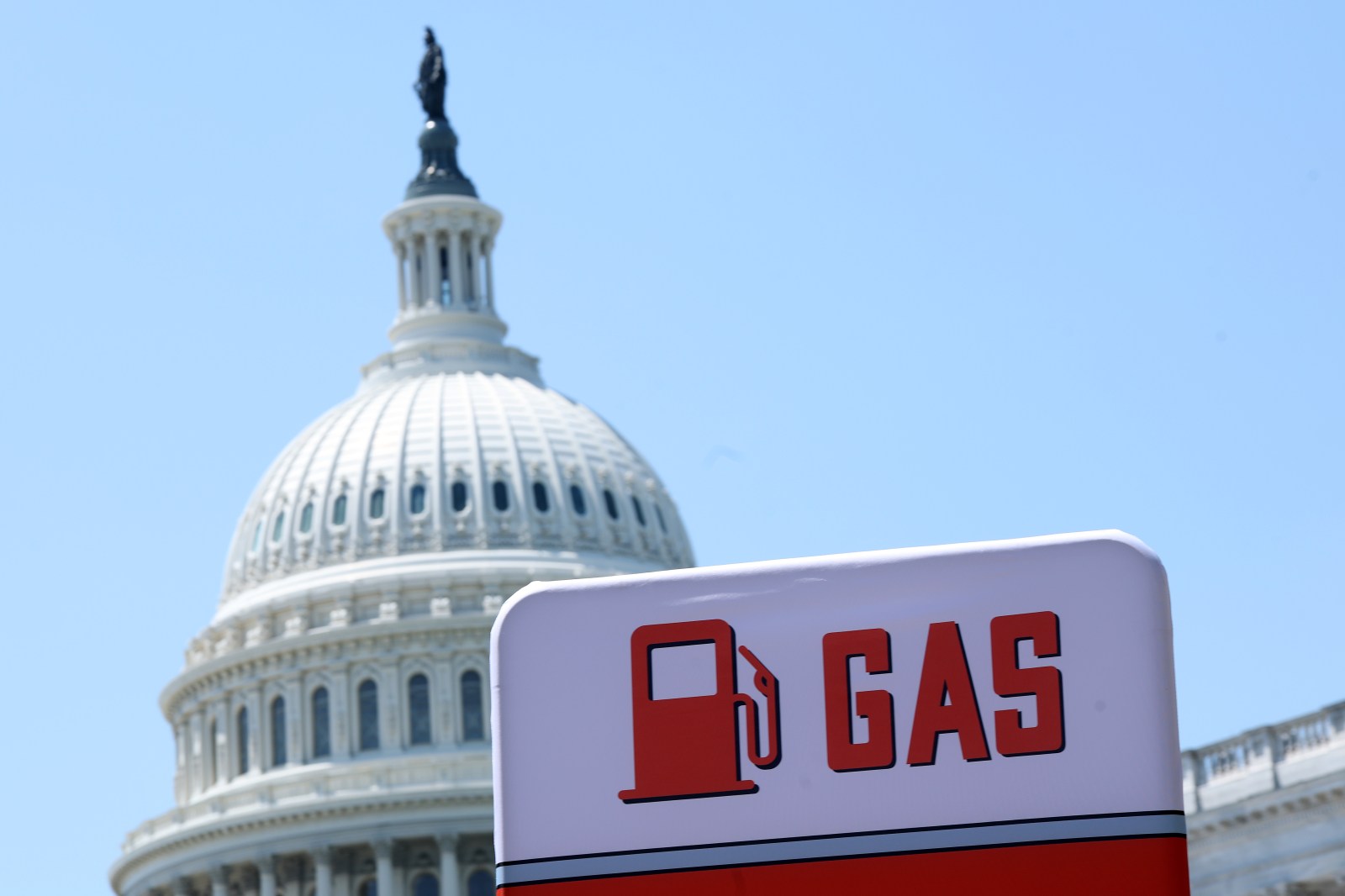
The ongoing conflict involving Iran has led to significant challenges for American households, primarily due to the rise in fuel prices. Economists and think tanks suggest these changes might act as a long-term financial burden on families in the United States.
Impact on Inflation and Interest Rates
Concerns have been raised about the broader inflationary effects of the conflict, influencing potential interest rate reductions anticipated in 2026. Recent data from the Department of Labor’s Consumer Price Index shows inflation surpassing wage growth for the first time since 2023. This shift negates any economic progress from previous pay increases.
According to Justin Wolfers, a professor at the University of Michigan, Americans might face this “Iran tax” for an extended period.
Increased Costs for Consumers
The primary economic pressure from the conflict stems from energy prices. Since Iran began restricting movement through the Hormuz Strait—which handles about 20% of global oil supply—oil prices have jumped. This increase has driven up domestic gasoline prices.
The AAA reports that the national average for a gallon of regular unleaded climbed from below $3 to $4.49, with a slight recent decrease due to negotiation prospects.
Research from Brown University’s Watson School suggests consumers have incurred almost $48 billion in extra fuel expenditures since February 28. Rising costs in both gasoline and diesel combined have led to an average household burden of $364.40. Roger A. Pielke Jr. from the American Enterprise Institute notes that additional expenses, such as those for jet fuel and fertilizers, elevate the average monthly burden to about $410 per household.
These situations have increased consumer expectations of inflation, with a year-ahead forecast of 4.8%, as indicated by the University of Michigan’s latest survey. Meanwhile, the Department of Agriculture predicts higher price increases for several goods.
Prospects for Economic Relief
The administration believes that resolving military objectives and ending the conflict will reduce gas and commodity prices to previous levels. President Donald Trump mentioned that prices would “drop like a rock” post-conflict, anticipating a reduction before the midterm elections.
Kevin Hassett, director of the National Economic Council, added that normal shipments through the Hormuz Strait might lead to timely reductions in fuel costs.
Lingering Economic Concerns
Despite hopes for quick economic recovery, many experts predict extended impacts even if the conflict concludes swiftly. Mark Zandi of Moody’s Analytics highlighted a potential ongoing risk premium on oil due to persistent threats from Iran affecting global oil markets.
Mark Blyth from Brown University stated that the closure of the Hormuz Strait also disrupted supplies of plastics and petrochemical feedstock, predicting food price hikes as farmers experience tighter margins. He anticipates up to a year for supply normalization.
Justin Wolfers noted that, while ending the conflict would lower fuel costs, the decrease won’t be as rapid as suggested by the administration.
Leave a Reply