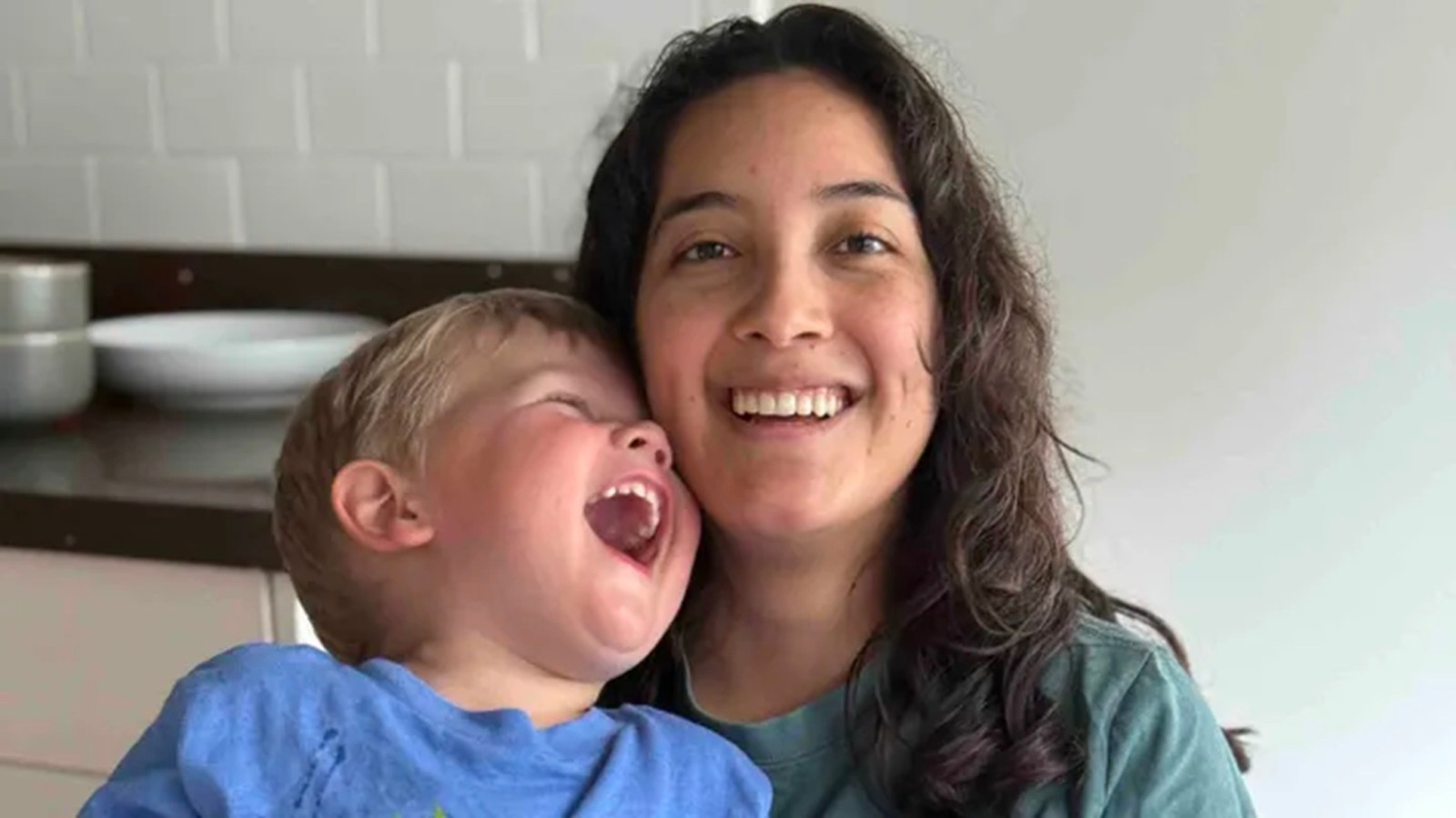
An Ecuadorian woman, Chantal Alejandra Morales Rojas, is challenging Immigration and Customs Enforcement (ICE) after being required to wear an ankle monitor. This comes after her release on bond following an arrest at Denver International Airport. A federal court filing in Colorado shows her objections, arguing that ICE unlawfully imposed supervision requirements after an immigration judge ruled for her release without conditions.
Morales Rojas, aged 27, grabbed national attention after being detained by ICE on July 20, while preparing to board a flight from Denver to Oakland. Her arrest took place amid efforts by the Trump administration to target visa overstayers, with operations highlighted by The New York Times as expanding deportation efforts through airports.
While ICE often uses electronic monitoring, Morales Rojas’ lawyers contend that ICE had no authority to mandate an ankle monitor. This situation may test legal boundaries regarding supervision after release. Public interest remains high, evidenced by a GoFundMe campaign raising over $137,344 following her arrest.
According to court records, Morales Rojas, a native of Ecuador, entered the U.S. on a J-1 exchange visa in early 2023. The legal petition insists she was legally present at the time of arrest, opposing government allegations of her overstaying. On July 16, she traveled from Oakland to care for a former employer’s children in Denver. She encountered ICE days later upon clearing TSA checks and reaching the gate, where an officer arrested her on a Form I-200 warrant. Charges cited overstaying under the Immigration and Nationality Act, but her petition denies these, asserting the J-1 visa lacked a fixed end date.
Upon arrest, Morales Rojas was held at Denver’s Contract Detention Facility in Aurora. On July 28, an immigration judge granted bond, but ICE allegedly imposed additional conditions—an ankle monitor and participation in the Intensive Supervision Appearance Program—despite no such directives in the bond agreement. Her filing accuses ICE of violating her due process rights by maintaining constraints post-release. ICE and the Department of Homeland Security are yet to respond formally in court.
Earlier, an ICE spokesperson noted that Morales Rojas entered the U.S. on October 20, 2024, with visa validity until January 4, 2025, claiming she overstayed against national laws. However, the court has not decided on the legitimacy of Morales Rojas’ allegations yet.
On September 3, U.S. Magistrate Judge Timothy P. O’Hara ordered federal officials to justify by September 10 why her petition should not be approved. The directive includes allowing Morales Rojas to respond by September 15.
Newsweek editors handling this story include Matthew Cannon and James Debens.
Leave a Reply