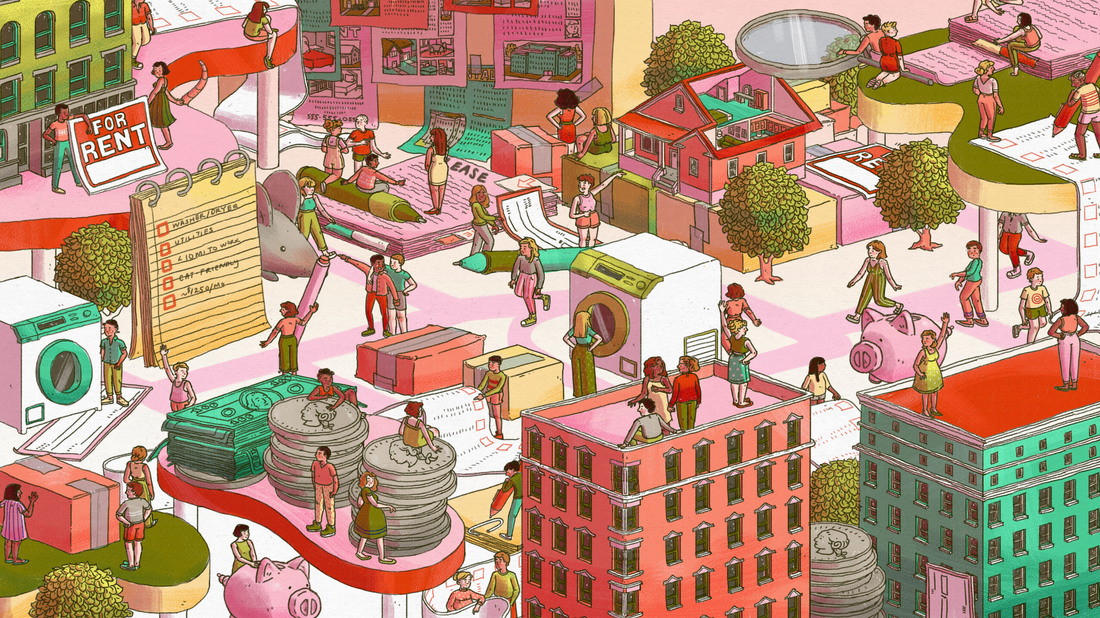
In 2019, renters led about 36% of the 122.8 million households in the United States. If you’re among them, you might feel disadvantaged compared to property owners. Lisa Bates, a professor at the Toulan School of Urban Studies and Planning at Portland State University, notes that the U.S. tends to favor property ownership. Renters often face challenges in law and policy, viewed as having fewer rights in their living spaces. However, owning a home isn’t the only path to stable living conditions.
Nina Rosenblatt, a training coordinator for Tenants Together, emphasizes that all tenants have rights, regardless of disability, family status, immigration status, or age. The specific regulations and resources depend on your state and local area. Understanding your rights is crucial. Below are some tips for becoming an empowered renter, no matter your location.
Learn to Read Your Lease Agreement
No standard rental agreement exists, making it essential to scrutinize your lease. Note any clauses that might affect your living conditions or contravene local laws. Pay particular attention to fees beyond your monthly rent. Late rent fees, for example, typically should not exceed 5% of your rent, according to Rosenblatt. Any fees not listed in the lease should not be added later. Rosenblatt has seen new tenants charged hefty application fees for items like key fobs or freight elevator use.
Ensure any extra costs are justifiable and within your budget. If anything seems questionable, compare your application with others in your area or consult friends and family. Look out for ambiguous language such as terms stating that tenants are responsible for repairs. Most states mandate landlords to handle necessary repairs.
If your lease contains questionable clauses, legal recourse is possible. Paula Franzese, a legal scholar from Seton Hall University, suggests that any clause seen as “unconscionable” is usually unenforceable. Yet, tenants often face power imbalances with property owners. Due to a lack of affordable housing, landlords might adopt a “take it or leave it” stance. Tenants who lack knowledge of their legal rights may hesitate to raise issues.
Keep Your Receipts
Maintaining a healthy landlord-tenant relationship relies on documentation and open communication—starting from move-in day. Rosenblatt advises documenting the unit’s condition initially, noting issues like a wobbly fan or stained carpet. Photograph or video these issues and send records to your landlord with timestamps.
Favor email or texting for landlord communication. Rosenblatt stresses the importance of written records. Following phone conversations, send emails summarizing discussions. Include repair timelines in emails to have a documented agreement. If issues persist with your landlord, save all communications. Keeping track of your contact efforts is essential, according to Franzese.
Learn Strong Phrases for Landlord Conflicts
Lisa Bates believes knowing certain “magic words” can help resolve disputes. These phrases, often legal terms, show landlords your awareness of your rights. For unaddressed repairs like mold, mention city inspections or code enforcement. Rosenblatt suggests saying, “I want to work together to resolve this, but I’m prepared to involve city inspection or code enforcement if needed.” This approach typically prompts landlords to act, as dealing with local government is often more costly.
Don’t Go It Alone
Building community links is vital for renters. It can aid in resolving housing problems. In larger buildings, your issues may affect others too. Bates notes that a pest problem in one unit often means others are affected. Engage with fellow tenants for better context and collective strength in dealing with landlords. If your building lacks one, establish a local tenant union. These unions offer resources like writing templates and legal advice.
Unions empower renters to approach issues confidently rather than from fear. Rosenblatt emphasizes decisions should be grounded in knowledge, not panic.
Contact us at [email protected]. Listen to Life Kit on Apple Podcasts and Spotify, or sign up for our newsletter.
Leave a Reply