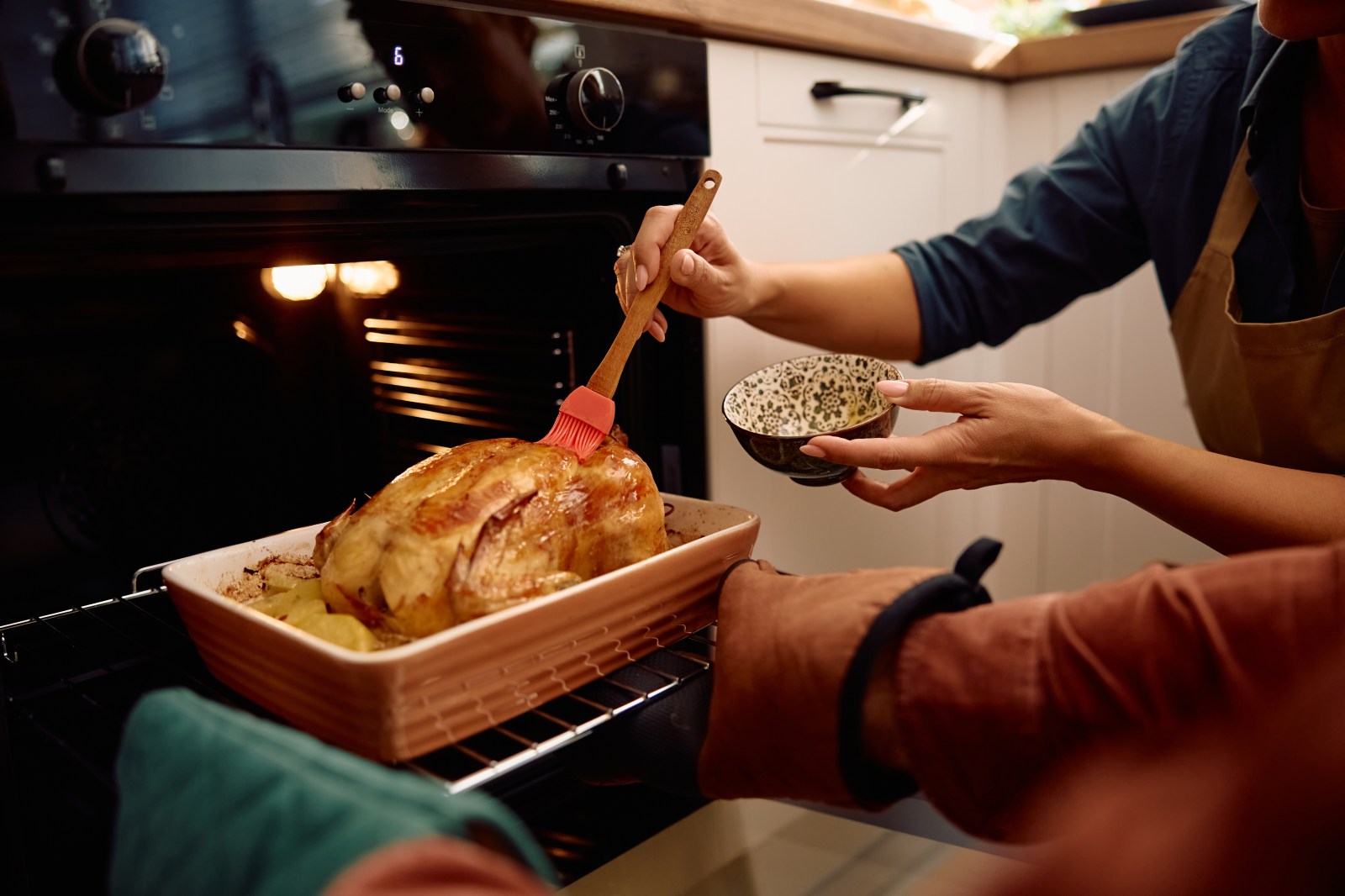
Thanksgiving celebrations often center around a roasted turkey and a variety of traditional side dishes. However, the feast may unwittingly introduce a hidden challenge: air pollution within your home. Preparing an entire Thanksgiving meal can release potentially harmful pollutants into the air.
Cooking methods such as frying, searing, broiling, and grilling at high temperatures can produce fine airborne particles that penetrate deeply into the lungs. Gas stoves present additional hazards. Dr. Gina Solomon, leading the Division of Occupational, Environmental & Climate Medicine at Western States PEHSU, noted, “Your stove is by far the bigger hazard in your kitchen.” Gas stoves may emit high nitrogen dioxide levels, especially with multiple burners active. This contributes to breathing issues, particularly for children with asthma and those with respiratory conditions.
Frying and sautéing in oil release small particles harmful to the lungs. “I often find I’m using four burners on the stove, plus the oven on Thanksgiving. This isn’t typical in my home. If it’s a gas stove, that’s a lot of combustion byproducts,” Solomon shared. Delightful aromas can accompany dangerous particles and nitrogen oxides.
David T. Dyjack, executive director and CEO of the National Environmental Health Association, supports these concerns. He explained that a turkey can add to the problem, with fats and juices dripping onto hot oven surfaces creating airborne particles. Pan-frying ingredients like bacon and sausage also contribute to emissions. Searing meat and overheating cooking oils are frequent issues.
The problem may persist even after cooking concludes. In well-ventilated kitchens, pollution levels drop significantly within 30 to 60 minutes. Poorly ventilated kitchens, though, experience lingering elevated concentrations for hours, Dyjack said. Particle filters do not remove all pollutants; while HEPA air cleaners can reduce airborne particles, they don’t often eliminate gaseous pollutants like nitrogen dioxide and carbon monoxide.
Carbon monoxide, being odorless and colorless, poses a challenge. High concentrations threaten life with symptoms like headache, dizziness, nausea, weakness, and confusion. A functional carbon monoxide alarm is crucial in homes with fuel-burning appliances.
Certain groups face greater risk: children, older adults, and individuals with respiratory or cardiovascular conditions are more susceptible to cooking-related pollution.
Nevertheless, Thanksgiving dinner need not be canceled! Effective measures ensure holiday feasts without compromising indoor air quality. According to experts like Dyjack, ventilation is vital. Starting the kitchen exhaust before cooking and keeping it on for 10 to 20 minutes afterwards is essential. Hoods venting outdoors outperform recirculating models in removing combustion gases. Opening windows, if weather and urban air quality permit, assists in clearing pollutants.
Using back burners, keeping appliances clean, and moderating cooking temperatures are other practical steps. “My mom used to say to cook ‘low and slow’. Reduce heat when practical, avoid burning foods, and select cooking oils appropriate for the temperatures being used,” Dyjack advised.
Solomon also suggested reconsidering popular holiday decorations like candles, as they significantly contribute to indoor pollution. Artificial, battery-operated candles may be preferable.
Emphasizing ventilation, well-maintained appliances, and safety alarms protects indoor air quality without altering holiday traditions. “This Thanksgiving, a little attention given to ventilation, cooking temperatures, and basic safety can help ensure that the only thing lingering after dinner is the memory of a wonderful meal,” said Dyjack.
Leave a Reply