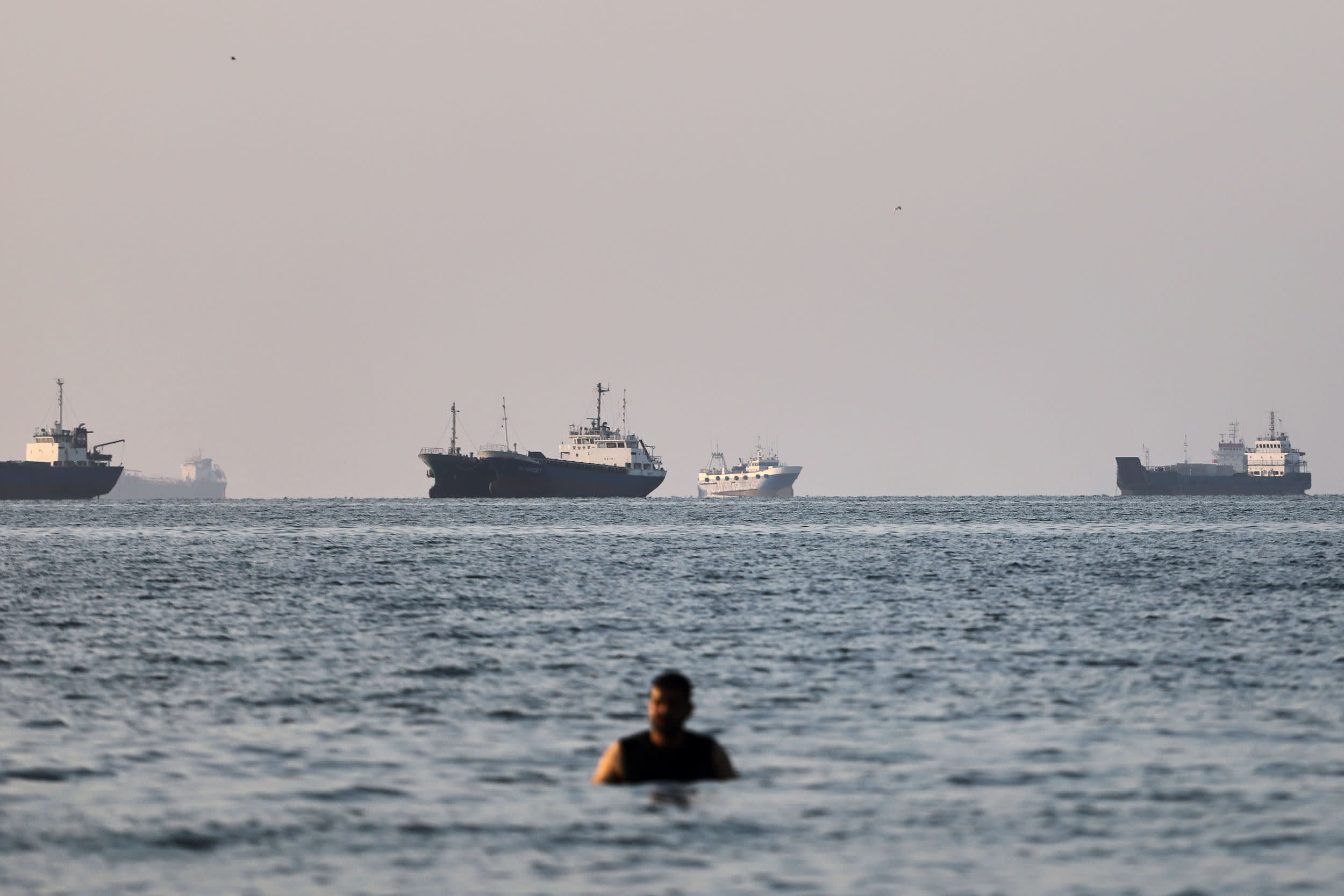
E.U. Sanctions on Iran’s Navy Over Strait of Hormuz Blockade
The European Union has imposed sanctions on Iran’s navy due to its restrictions on maritime traffic through the Strait of Hormuz. In response to Israeli-American strikes since February, Iran instituted a toll for ships passing through this crucial waterway.
Today, the EU’s 27 member states approved sanctions against a section of the Iranian Revolutionary Guard Corps Navy (IRGCN) involved in enforcing the toll, along with two Iranian officials. These sanctions include asset freezes and travel bans.
‘Tehran has blocked the Strait,’ stated Kaja Kallas, the EU’s top diplomat, emphasizing the intolerability of the situation.
Israeli Strikes on Iran and Regional Reactions
The Iranian Red Crescent reported Israeli attacks on 12 locations across Iran, but no casualties were noted. Meanwhile, sirens activated in northern Israel, and the military reviewed the incident near the Lebanese border.
Experts highlight a power imbalance between the U.S. and Israel, with political pressures influencing Israel’s responses. Sanam Vakil of Chatham House noted Israel’s need to retaliate from a security and political standpoint.
Kobi Michael from the Institute for National Security Studies pointed out that Iran’s retaliation to Israel’s actions in Lebanon was anticipated.
International Diplomatic Efforts and Mediations
Pakistan’s Prime Minister, Shehbaz Sharif, urged restraint, warning of the dangers associated with breaking the ceasefire. The Qatari Foreign Ministry reiterated their support for mediation efforts between the U.S. and Iran.
Amid these tensions, Iran remains engaged in both diplomacy and defense. Iranian President Masoud Pezeshkian reaffirmed national security as a priority.
Military Developments in the Region
Iran reportedly fired approximately 30 missiles at Israel, most of which were intercepted. In retaliation, Israel targeted a petrochemical plant in Iran. The attacks underscored ongoing hostilities and risks of escalation.
The Revolutionary Guard, responding to Israeli actions, warned of a stronger backlash if aggression continued.
‘We maintain readiness across all fronts,’ stated the Guard, affirming Iran’s capabilities.
Economic Impact of Hostilities
Oil prices initially surged due to the conflict but later fell after Iran announced a pause in military operations. This market volatility reflects traders’ reactions to the ongoing geopolitical dynamics.
Stock futures saw gains following the announcement, illustrating the direct impact of geopolitical tensions on global markets.
The U.S. clarified its non-involvement in Israeli strikes, stating no active participation in defensive measures against recent Iranian attacks.
Photo Highlights and Global Reactions
A series of images depict the aftermath of missile attacks in Iranian and Israeli regions, showing the disruptive nature of the conflict. The U.S. Embassy in Jerusalem advised personnel to shelter as tensions escalated.
The international community, including the E.U., continues to call for negotiations over escalation to prevent further destabilization in the Middle East.
Leave a Reply