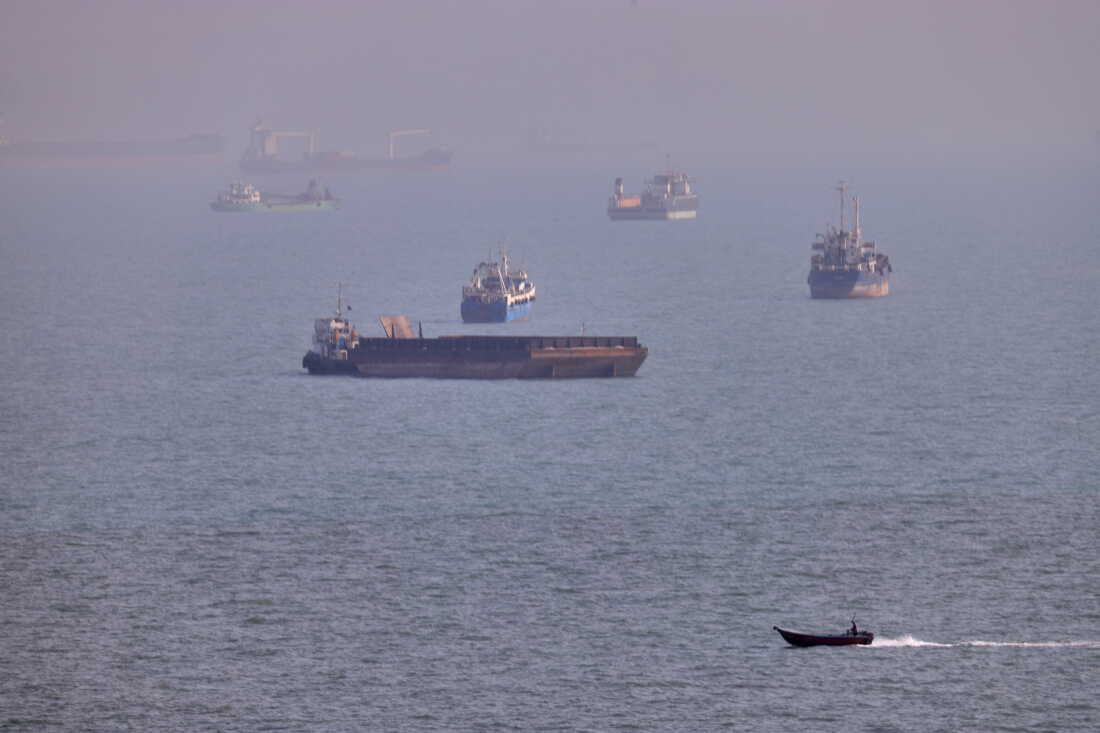
Recent developments have intensified the ongoing conflict between the United States and Iran. On Tuesday, the U.S. military conducted strikes against various Iranian military targets. Iran retaliated by firing missiles and launching drones at multiple sites within the region. This exchange marks the continuation of hostilities that have persisted for more than six months.
U.S. Targets in Iran
U.S. Central Command confirmed the completion of attacks on Iranian air defense sites, radar systems, and maritime assets. Notably, one U.S. strike hit a home hosting a wedding, resulting in the deaths of five individuals and injuries to dozens. Despite these events, U.S. Central Command emphasized that their military operations are never intended to target civilians, and the reports of civilian casualties originated from Iranian sources.
Political Reactions
President Donald Trump released statements suggesting no intention to compel Iran to negotiate an agreement. He expressed contentment with the U.S. maintaining significant control over the Strait of Hormuz and emphasized Iran’s economic collapse. Trump also issued warnings of intensified retaliation if Iran responded to the new strikes.
Earlier indications from Trump pointed toward the use of economic sanctions to pressure Iran. In contrast, U.S. Central Command stated the attacks aimed to counter Iran’s attempts to target commercial ships and American forces.
Iran’s Retaliation
Following the U.S. strikes, Iran launched ballistic missiles toward Jordan, claiming to target a U.S. base near Aqaba. Jordan reported successfully intercepting several missiles, with others landing in unpopulated areas. Iranian state media further reported U.S. strikes on civilian areas along Iran’s southern coast, including a civilian airport.
Iran’s Response
Iran’s leadership, through statements from various officials, pledged ‘devastating blows’ against the United States and conveyed that the U.S. attacks have strengthened Iran’s resolve. The Iranian Revolutionary Guard pointed to reinforced control over the Strait of Hormuz, a crucial oil shipping route.
Explosions were reported in southern Iranian coastal areas, impacting locations such as Bandar Abbas and Qeshm Island. Iranian state media detailed strikes on a fishmeal factory, a fishing pier, and other civilian infrastructure, including parts of the electricity grid.
Rising Oil Prices
The renewed military exchanges have sharply increased oil prices. As a vital shipping corridor remains contested, crude prices rose approximately 7% this week. Gasoline costs have mirrored these increases, climbing to over $4 per gallon in the U.S.
Ceasefire and Negotiations
Prior to resuming military operations, the Trump administration focused on applying economic pressure on Iran. An interim ceasefire deal reached in June briefly paused hostilities but quickly disintegrated. Iranian President Masoud Pezeshkian expressed readiness to return to the ceasefire if the U.S. re-committed to their previous understanding.
Central Command signaled ongoing military actions as limited, stressing these were responses to Iranian aggression toward commercial vessels and U.S. military personnel.
Leave a Reply