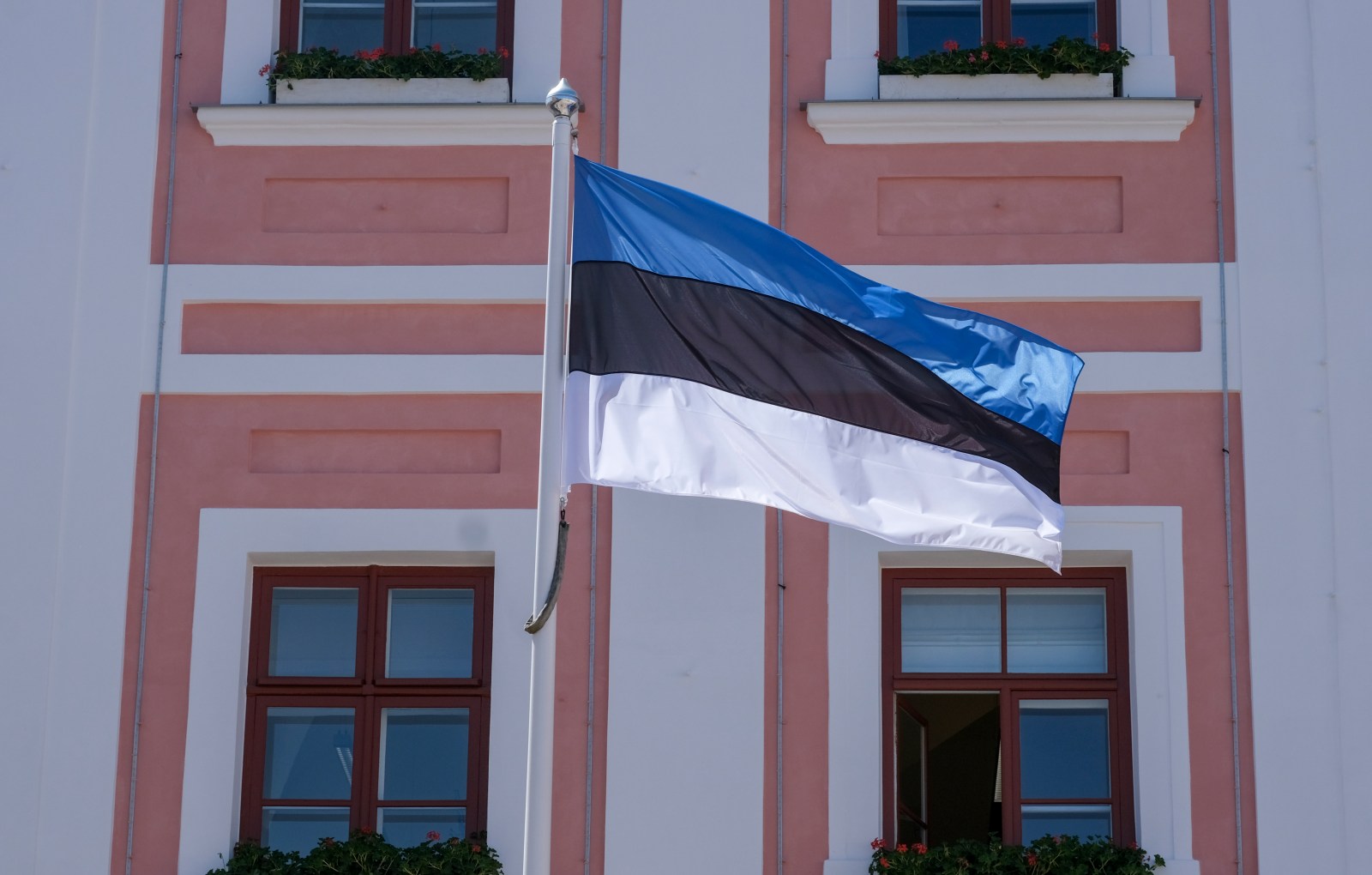
NATO member Estonia will shut all road border crossings with Russia starting December 1. This follows the Baltic nation’s accusation against Russia’s GRU, alleging an attempted sabotage of an Estonian defense firm.
Alleged Sabotage and Estonia’s Reaction
Estonian Foreign Minister Margus Tsahkna announced the closure. Authorities claim to have “clear evidence” linking Russia’s military intelligence to an attempted attack on Threod Systems, a producer of drones and surveillance equipment. Tsahkna emphasized that Estonia will not tolerate actions aiming to intimidate or undermine its security.
“Closing the border crossings will diminish Russia’s capacity to engage in hostile actions within Estonia and bolster efforts to prevent sanctions circumvention,” Tsahkna stated.
The attempted break-in at Threod Systems’ facility in Viimsi, close to Tallinn, occurred on a Saturday morning. The objective was to trigger an explosion and incinerate the building. Thanks to the company’s security staff, the damage was limited, and eight suspects were apprehended. Estonia’s KAPO reported that intelligence indicated Russia’s GRU had commissioned the plan.
A Broader Context of Tension
Estonia’s decision to close the border is a stern response from a NATO member to what it perceives as growing Russian sabotage efforts and covert operations across Europe. Estonian Prime Minister Kristen Michal linked the attempted sabotage to Russia’s broader hybrid war against Europe. He stressed that Estonia would not succumb to pressure from its nuclear-capable neighbor.
Estonia is a northeastern European country sharing borders with Russia and Latvia, facing Finland across the Gulf of Finland. It regained independence in 1991, having been part of the Soviet Union during World War II. Estonia, with a population of about 1.36 million, has staunchly supported Ukraine since the onset of Russia’s full-scale invasion in February 2022.
The Threod Systems incident comes after a prior arson attack on Milrem Robotics in August, also attributed to Russian intelligence by Estonian officials. There is rising concern over the targeting of European defense firms intending to disrupt weapons production and military support for Ukraine.
Russia-Ukraine Peace Talks Update
Estonia’s announcement followed U.S.-mediated talks between Russia and Ukraine after a nine-month hiatus. Representatives from both nations and the U.S. engaged in productive discussions in Abu Dhabi, as per U.S. Secretary of State Marco Rubio and Ukrainian President Volodymyr Zelensky. Talks led to a tentative agreement on a significant prisoner exchange, though achieving peace remains elusive.
The backdrop of ongoing Russian and Ukrainian military actions underscores the complexity of reaching a peace settlement. Since Russia’s full-scale invasion on February 24, 2022, after seizing Crimea and igniting conflict in the Donbas, the war has claimed extensive military lives and over 15,000 verified civilian deaths in Ukraine.
Looking Ahead
Estonia plans to enforce the border closure on December 1. The three existing crossings, Narva, Luhamaa, and Koidula, will be affected. The closure will restrict direct movement, with Narva open only to pedestrians while the others also accommodate vehicles.
As Estonian authorities continue to investigate the Threod Systems attack, five of the eight suspects remain in custody. The border closure intensifies the strain between Moscow and a NATO member, while peace negotiation efforts between Russia and Ukraine persist.
Estonian leadership regards the alleged sabotage not as a standalone crime but as a larger security threat posed by Russia.
Leave a Reply