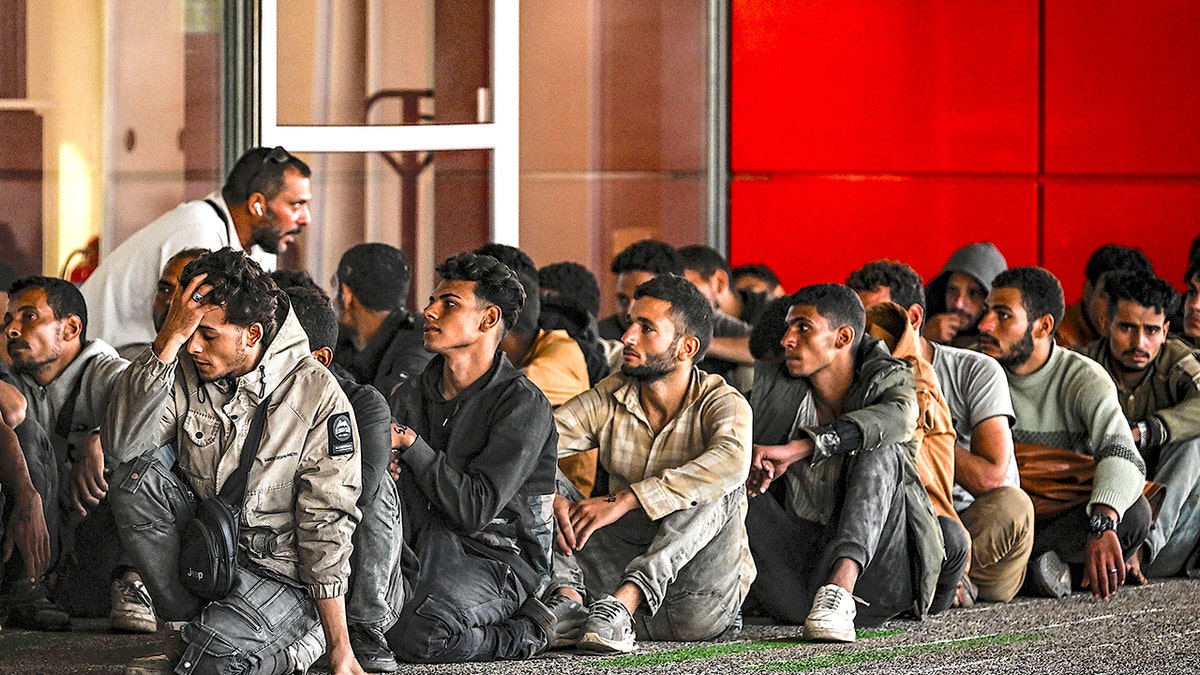
Earlier this year, the European Union responded to growing concerns about illegal immigration with new, stricter border entry rules for its 27-member nations. These rules aim to address issues flagged by President Donald Trump and several European voters.
New Migration and Asylum Laws
The EU introduced laws ensuring that illegal or undocumented migrants are processed and, if necessary, swiftly deported to centers outside the EU. Asylum seekers will undergo screenings for identity, security, and health before entering the asylum system. Border officials will track and record non-EU citizens’ movements using biometric data, like fingerprints and facial recognition. All EU member states are now required to collaborate and share information.
The Associated Press noted that the EU’s primary institutions have reached a provisional agreement on these measures. The plan is expected to move to lawmakers and governments for anticipated approval.
Europe Demands Stronger Measures
The introduction of tougher rules comes amid demands from European nations for the power to deport illegal immigrants who commit crimes. This response comes after incidents like the interception of illegal migrants by the Greek coast guard, as observed when over 2,000 migrants arrived from Libya to Crete, causing concerns among local authorities and businesses.
“The EU’s demography is changing Europe’s culture,” explained Alan Mendoza from the Henry Jackson Society. “Britain’s efforts influenced the new EU rules, despite not being part of the EU.”
Mendoza pointed out that the UK struggled to establish offshore migrant holding centers, crucial to avoiding being perceived as lenient on immigration.
Experts Warn of Delays
Some experts argue that prolonged inaction on the migration issue only intensifies the challenge. They believe that timely interventions could prevent further complications. Meanwhile, President Donald Trump previously highlighted to global leaders the threats posed by undocumented migrants during a UN address, emphasizing the severe impact on European countries.
Comments from JD Vance and EU Criticism
Vice President JD Vance touched on the issue following the tragic death of an 18-year-old in Britain, attributing such incidents to inadequate responses to illegal migration. He stressed the need for decisive action by European leaders.
Additionally, Secretary of War Pete Hegseth remarked on the modern ‘invasions’ affecting European shores during a D-Day memorial speech. He urged European nations to address these challenges decisively.
Spain’s Divergent Policy
Amid these sweeping changes, Spain diverged from the EU’s stance by legalizing half a million undocumented migrants, ensuring them access to documents and social security. Javier Negre, a media owner, noted NGOs’ significant role in advocating for migrant integration.
Despite criticisms mainly from the European left and various NGOs, figures like Mélissa Camara from the French Green party condemned the EU’s approach, labeling it a setback for human rights within the bloc.
The Associated Press and Simon Constable, a writer and fellow at Johns Hopkins, contributed to this report.
Leave a Reply