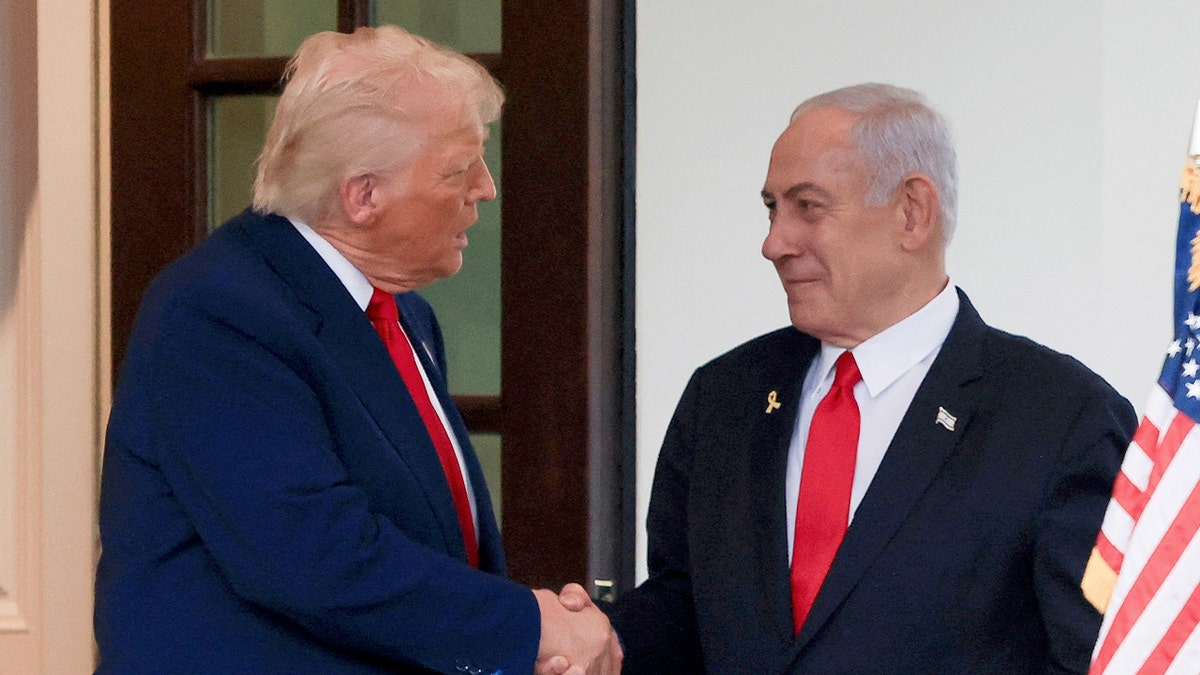
The alliance between the United States and Israel faces ongoing scrutiny. This relationship has been tested as both nations aligned against Iran using American weapons extensively. The pivotal question for Washington now is understanding what the alliance delivers and demands in return.
A report by Advancing American Freedom and the Zionist Organization of America supports the idea that Israel’s military role is a strategic asset for the U.S. The authors liken Israel to a massive U.S. aircraft carrier in the Middle East. Critics, however, argue that this partnership costs the U.S. substantially and offers little in return. Released on October 26, 2026, the report coincides with a decline in public support for Israel across various political groups.
Military Cooperation and Intelligence Sharing
President Donald Trump and Israeli Prime Minister Benjamin Netanyahu have considered ending U.S. military aid, yet Trump calls Israel a reliable ally. The report highlights several benefits the U.S. gains from supporting Israel, including intelligence sharing, weapons development, and military cooperation.
Missile defense projects such as David’s Sling and Arrow are prime examples. Collaborative efforts involve American companies, with over 100 businesses in 34 states engaged in missile co-production. Notably, the Raytheon-Rafael plant in Arkansas recently produced the first U.S.-built Iron Dome Tamir interceptor. These programs bolster U.S. manufacturing and involve the Pentagon in missile-defense development.
According to the Congressional Budget Office, the U.S. might have expended over half its interceptor inventory since June 2025, notably during the short conflict with Iran. Rebuilding these stocks may take five years, as production rates remain a challenge.
Intelligence sharing proves another key benefit. Although the specifics are often classified, former CIA Director John Brennan credited Israeli intelligence for contributing to the search for Usama bin Laden. More recently, an Israeli report of an Iranian threat to President Trump led to heightened security measures during his trip to Turkey, though the intelligence’s accuracy remained unverified.
Financial Implications and Future Agreements
The financial aspect of the alliance is central to ongoing discussions. Currently, the U.S. provides Israel with $3.3 billion annually for military financing, plus $500 million for missile-defense programs. Much of this funding goes back into U.S. companies as Israel makes purchases.
The phase-out of Israel’s ability to spend U.S. funds domestically, scheduled for 2028, forms part of the current agreement. Both Trump and Netanyahu have expressed interest in winding down direct aid, with negotiations aimed at a new arrangement focusing more on joint defense ventures. This proposal would pivot from grants to collaborative weapons development, marking a significant change.
Political sentiments are shifting. A Chicago Council survey from 2026 found that 56% of respondents favored reducing or ending military aid to Israel. While Republicans generally support maintaining aid, divisions within the party exist. For instance, past Israeli influence in Middle Eastern conflicts is criticized by some Republican figures.
As the U.S. considers future agreements, the strategic, military, and fiscal aspects of the alliance with Israel will profoundly impact decisions. The challenge lies in balancing costs with expected benefits, alongside managing military commitments in a complex geopolitical landscape.
Leave a Reply