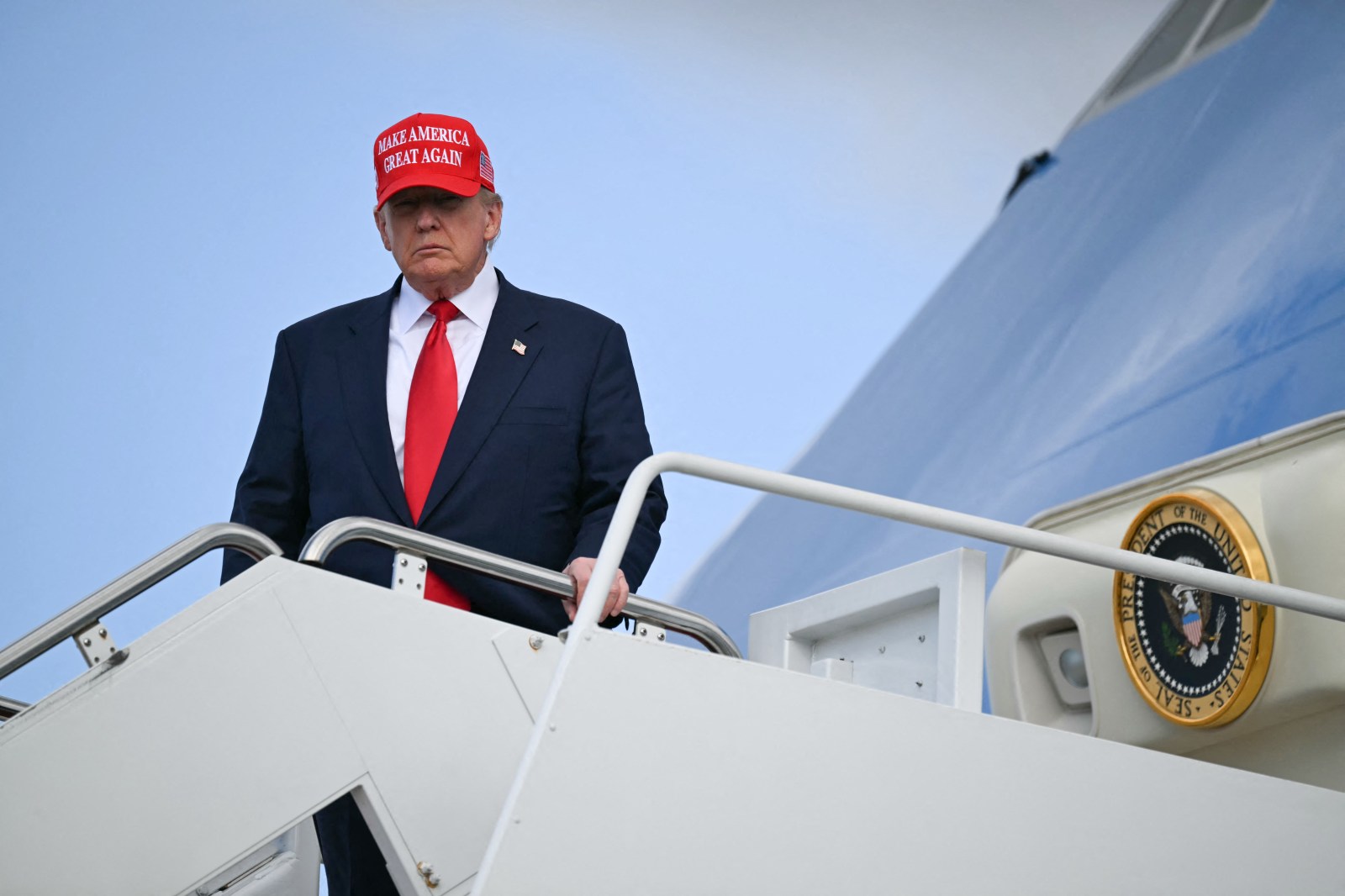
Having supported Donald Trump in three elections, I had faith that his coalition could transform American politics for generations. This week, as Trump appointed Bill Pulte, a housing official lacking intelligence experience, to lead the nation’s spy agencies, I questioned the remnants of Trump’s legacy if he’s ready to risk everything.
Trump’s election aimed to build a lasting, working-class, multiracial coalition that could reshape the Republican Party beyond his tenure. Trump is a rare generational figure for the GOP since Ronald Reagan, capable of redefining the party’s identity. Reagan’s movement endured well beyond his presidency. Now, Trump’s potential to create something enduring is under scrutiny.
The base has not become disillusioned. Instead, the administration’s inward focus on battles that resonate with loyal supporters but lack longevity is the issue. Actions like renaming the Kennedy Center or imposing a transgender military service ban may energize certain supporters, yet do little to maintain broader support among the millions who returned Trump to office. Governing by seeking applause spends political capital on symbolic gestures, resulting in a second term marked by more controversies than the first.
Outcomes are often ineffective. A federal judge removed Trump’s name from the Kennedy Center, citing only Congress can rename it. An appeals court blocked the military’s transgender ban, deeming it arbitrary and biased. Risking legal defeat for uncertain policies only generates negative headlines.
Further, Trump has hurt himself strategically. Voter ID and citizenship proof, popular concepts, were mishandled through the SAVE Act, knowing it lacked Senate support. This led to the demise of John Cornyn’s career, not over disloyalty, but an inability to meet Trump’s MAGA demands. Trump’s backing of scandal-tainted Ken Paxton in the nomination left a Senate seat in a favorable state at risk for Republicans.
The strategic dilemma remains unsaid among Trump’s inner circle. Trump needs Senate votes for his agenda. Yet, the senators he’s embarrassed – like Cornyn, Cassidy, and those retiring – are the votes necessary. Alienating these senators grants them leverage, not loyalty.
Appointing Pulte, who built his reputation in homebuilding and demolishing blighted homes in Detroit, underlines this issue. Though ideologically aligned, Pulte lacks the expertise needed to lead intelligence operations or provide vital briefings. Relying solely on personal loyalty can be precarious for a political movement.
Successful movements persist beyond a single leader. The Tea Party failed as a coalition without a central figure. Conversely, Trump’s movement faces the risk of collapse since it centers exclusively on him. Without identifying a successor, the movement is more of a personality cult than a structural realignment. Reagan understood the importance of building a sustainable legacy that survived his departure.
Trump’s current political landscape leans toward conflict and loyalty over results, a strategy effective for winning yet uncertain for legacy-building. Trump’s remaining strength lies in his coalition. The true question is whether he’ll govern in a way that leaves an enduring legacy, one not tarnished by discord and short-term battles. To secure his legacy’s future, identifying a successor becomes essential, as his current approach names none other than himself.
Leave a Reply