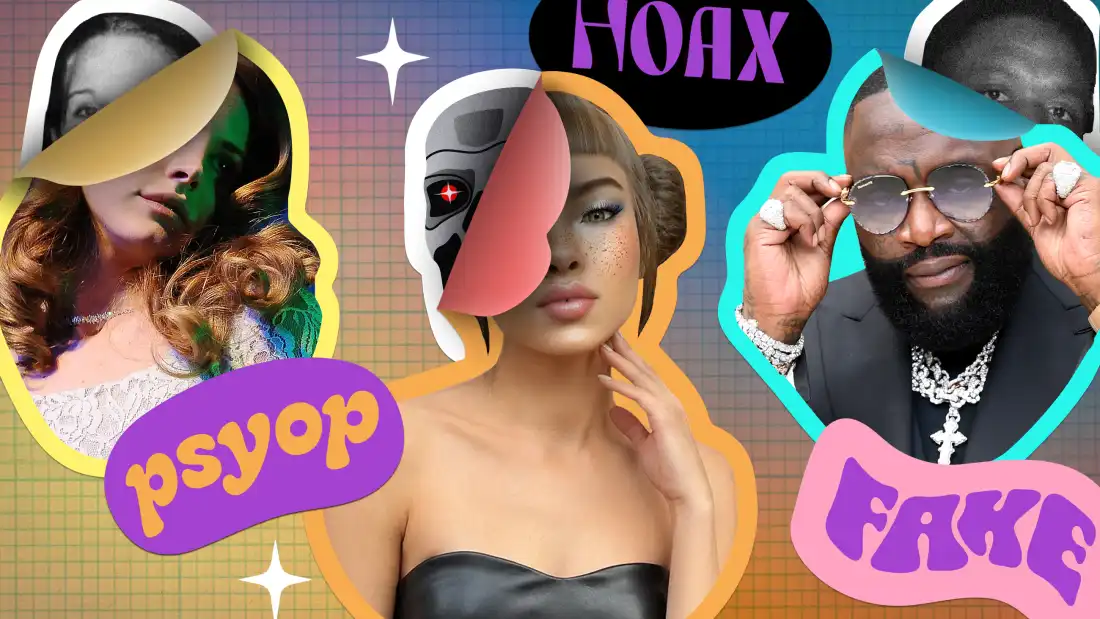
The music industry frequently faces debates about authenticity, with artists like Lana del Rey, virtual influencer Lil Miquela, and rapper Rick Ross often at the center of these discussions. The rise of AI-generated content, ‘industry plants,’ and fast-rising artists has intensified scrutiny.
The Scottish Rap Duo’s Ruse
In the early 2000s, Scottish musicians Gavin Bain and Billy Boyd tried being authentic but faced rejection. Switching tactics, they adopted American personas and became Silibil N’ Brains. Their American accents convinced Sony UK to sign them, and their fabricated backstory gained them fame. However, the pressure of maintaining the lie led to personal turmoil and ultimately ended the duo’s act.
The Joyce Hatto Controversy
Joyce Hatto, an English pianist, released numerous acclaimed recordings with the help of her husband. After her death, it was revealed many recordings were plagiarized from other pianists. William Barrington-Coupe admitted to the deception, citing his wife’s illness as motivation. This scandal highlighted issues of subjective perception in music criticism.
Rick Ross and Authenticity
Rick Ross faced backlash when his past as a correctional officer was revealed, contradicting his ‘drug kingpin’ image. Despite attempts to discredit him, Ross continued to succeed in music with albums like ‘Deeper Than Rap.’ His work demonstrated that creativity can outweigh perceived authenticity.
Lana del Rey’s Identity
Lana del Rey faced early criticism about her authenticity due to her name change and stylistic shifts. Unlike peers such as Lady Gaga and Katy Perry, del Rey’s mixed genre appealed confused critics. Despite this, she established herself as a respected artist, blending reality with her music’s themes.
Lil Miquela’s Digital Influence
Lil Miquela, the virtual artist and influencer, initially puzzled people about her reality. Her creators eventually revealed her AI origins, launching discussions about digital identities in the music industry. Despite AI advances, Miquela maintains a significant presence, raising questions on digital personas in entertainment.
Hip-Hop and Ghostwriting
In hip-hop, writing authenticity is crucial. Female rappers like Karrahbooo often face claims that male influencers penned their hits, perpetuating gender biases. Recent disputes emphasize challenges women face in establishing credibility in the genre, reinforcing age-old narratives about authorship and authenticity.
Leave a Reply