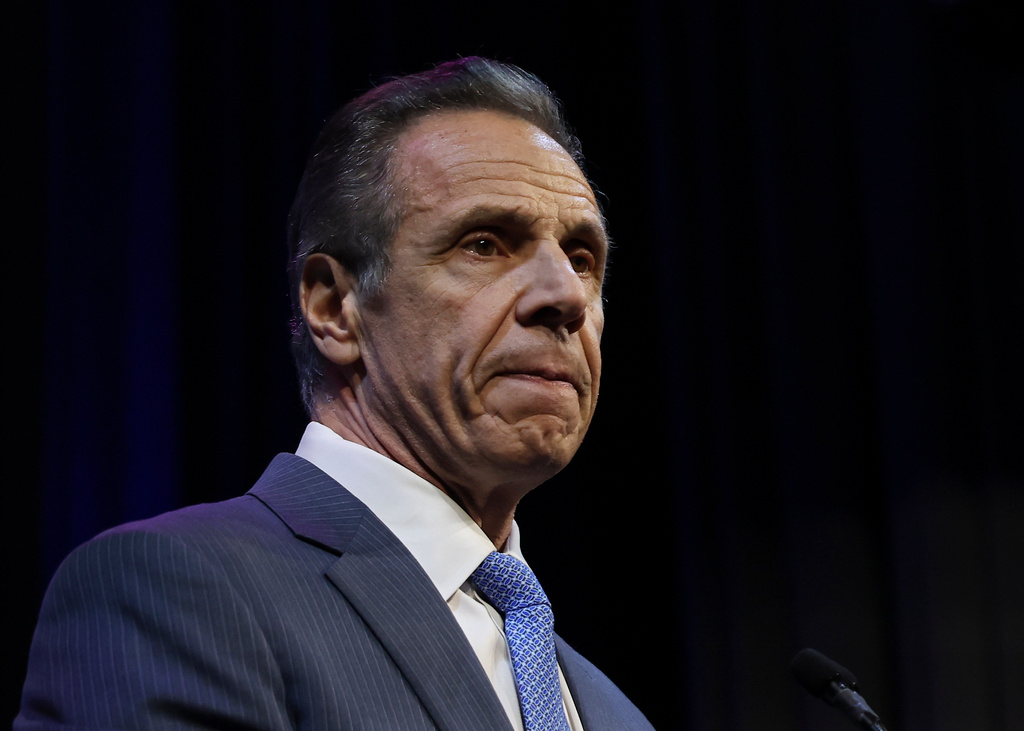
Andrew Cuomo admitted defeat to Zohran Mamdani on Tuesday, November 4, 2025, in New York. The aftermath of his nursing home directive from March 2020, however, continues to echo among affected families.
For over six years, loved ones of the more than 15,000 New Yorkers who died in nursing homes due to Cuomo’s decision have been challenging the lack of accountability. A recent letter from Rep. Claudia Tenney to Acting Attorney General Todd Blanche demanded action on the unresolved criminal referral against Cuomo.
Background on the Directive
On March 24, 2020, Cuomo famously stated, “My mother is not expendable.” The following day, his administration instructed nursing homes to accept COVID-positive patients without tests. The controversy erupted when the number of deaths connected to this decision was reportedly undercounted by about 50%.
The misinformation was highlighted in a congressional report. Although Cuomo claimed no involvement in crafting the report, evidence suggested otherwise, showing his edits and notes.
Ongoing Legal Efforts
In October 2024, a subcommittee referred Cuomo to the Department of Justice over false statements made to Congress. Yet the Department there has been inactivity from DOJ. House Oversight and Government Reform Committee Chairman James Comer revived the referral in April 2025, but progress on the case remains unclear.
Cuomo’s legal team argued against prosecution, calling it election interference during his mayoral campaigns. With electoral battles over, the focus now shifts to the rule of law.
Voices for Seniors and Continued Advocacy
For six years, Voices for Seniors advocated tirelessly for accountability. Founded by families of nursing home victims, the group persisted in seeking justice through testimonies, letters, op-eds, and more. Their efforts contrast sharply with the perceived indifference of authorities.
Vivian Zayas, a co-founder, highlighted that the public would have reacted differently if children were the victims of such a directive. This lack of response underscores a disparity in handling cases involving the elderly.
Rep. Tenney’s letter is seen as more than a formality. It’s a public statement ensuring that the families and their losses remain in the public eye. Silence prevails only when the powerful go unwatched. These families are determined to keep attention on the issue.
Grief, with its enduring memory, fuels their relentless pursuit. They urge the Department of Justice to remember what they’ve endured.
Leave a Reply