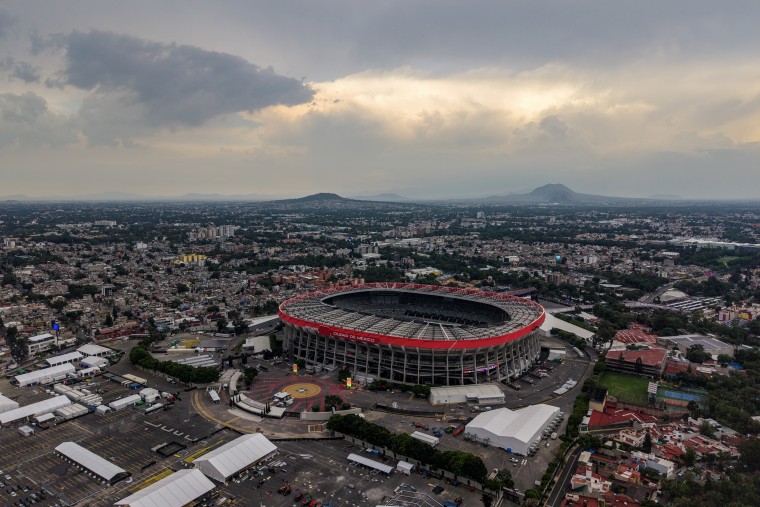
On June 5, 2026, preparations for the upcoming FIFA World Cup in the United States are intensifying, particularly concerning drone security. With the tournament set to commence next week, law enforcement is focusing on potential drone threats that range from mere nuisances to serious dangers. Over 60 local, county, and state law enforcement agencies have recently completed a pioneering federal training program designed to detect and prevent unauthorized drones near World Cup venues and fan events. This initiative is being led by the FBI, which will continue to train personnel even beyond the tournament.
The training, which NBC News observed at the FBI facility at Redstone Arsenal, addresses the challenges posed by drones. These devices evolve rapidly, are widely accessible, and can carry various payloads, from cameras to hazardous substances. The Federal Aviation Administration (FAA) enforces flight restrictions around high-profile events, limiting drone use to a specific radius. Violations of these restrictions carry criminal penalties.
Mike Torphy, the FBI agent overseeing the training, emphasized the importance of judgment in identifying potential drone threats. The response may involve electronically commandeering a rogue drone. “We have various technical methods available,” Torphy stated. “We can take control or redirect the drone. Our approach isn’t confined by law to any specific technology for mitigating drone threats.”
This World Cup is FIFA’s largest in North America, with 48 teams competing across 16 cities in the U.S., Canada, and Mexico. The event runs from June 11 to July 19, opening in Mexico City and closing at MetLife Stadium in East Rutherford, New Jersey. Anticipated attendance is in the hundreds of thousands for both the games and viewing events.
While the FBI routinely assesses risks, they affirm no credible threats to the tournament have been identified, according to co-Deputy Director Christopher Raia. Yet, security challenges are expected. “A security event could be anything from a minor altercation to a major attack,” Raia stated. Despite this, he assured fans of their safety, highlighting the extensive measures in place to protect attendees.
The FBI’s anti-drone capabilities include cameras, radars, and listening devices, enabling them to seize control of illegal drones and safely manage them. Unlawful drones can also be forced down if necessary. While respecting drone owners’ rights outside restricted areas, distinguishing between enthusiasts and malicious actors remains complex.
During training, FBI drones demonstrated their ability to track and warn breaching pilots. A loud warning would alert, “This is the FBI! You have violated a no-fly zone. Land your drone and await law enforcement. Leave immediately.” Raia cautioned drone hobbyists against interfering with events, stating, “Our capabilities ensure we will find you, and the consequences could include arrest. My advice is clear: Don’t do it.”
Raia assured the public that law enforcement is well-prepared for the logistical scale of the event, akin to hosting multiple Super Bowls simultaneously. “We are ready,” he affirmed.
Leave a Reply