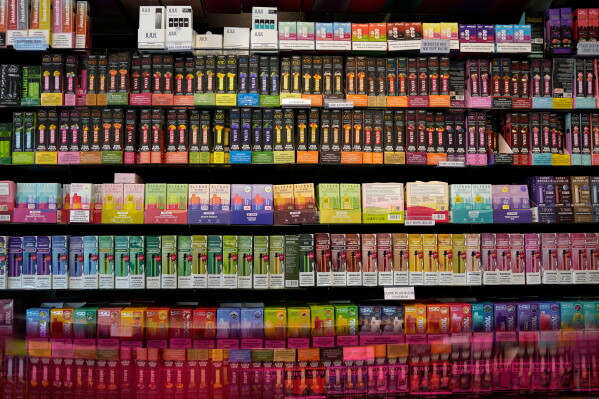
The Food and Drug Administration (FDA) recently authorized fruit-flavored e-cigarettes, but new findings suggest they aren’t significantly more effective at helping smokers quit than tobacco-flavored versions. This decision raises questions about the FDA’s rationale.
Last month, the FDA approved fruit-flavored vapes as a less harmful alternative to traditional cigarettes, even though their appeal to children has been a concern. Health groups and lawmakers are demanding an explanation from the agency.
A six-page FDA memo reveals more about the decision-making process. The memo acknowledges gaps in the data from Glas Inc., the vape manufacturer. To meet federal standards, the products must benefit public health by aiding adult smokers in quitting, without attracting teens.
According to the memo, Glas vapes helped smokers switch from cigarettes after three months. However, data showed no significant difference between adults using mango and blueberry flavors versus those using tobacco flavors. This fails to meet standards set by other approved flavors, like menthol vapes from Juul and NJOY, which proved more effective at helping adults quit.
The FDA explained Glas flavored vapes didn’t need to show added adult benefits, as they were unlikely to attract young users. Each device requires unlocking with a cellphone app verifying age.
This decision counters recent FDA guidelines. These guidelines suggest that fruit and dessert flavors must meet “a high evidentiary burden” for adult use, considering their risks to youth. Tobacco flavors, less popular with teens, face fewer regulatory challenges.
The brevity of the memo is notable. This contrasts with typical FDA memos on vaping products, which are more comprehensive. For instance, the Juul menthol authorization document exceeded 90 pages, covering research involving 50,000 people. The Glas memo, lacking details like the number of smokers studied, appeared delayed on the FDA site.
Congressional members have queried this decision. Last month, ten Democratic senators called it “shortsighted and reckless.”
The Glas marketing application, including menthol and tobacco vapes, faced hurdles before authorization. In 2021, the small Los Angeles company submitted its request. In February, FDA scientists authorized several flavors, a decision later blocked by a senior official reporting to then-FDA Commissioner Marty Makary. The approval came during Makary’s final week as commissioner, following criticism from industry stakeholders, including tobacco companies advocating for relaxed regulations on vaping flavors.
A spokesperson for Glas could not provide comment when contacted.
Leave a Reply