Democratic governors who have historically resisted school choice initiatives may now face increased pressure to embrace the Federal Scholarship Tax Credit (FSTC) program, introduced by President Donald Trump. New York Governor Kathy Hochul’s decision to join the program highlights this challenge, according to a senior Department of Education official.
New York Joins Federal Initiative
Lindsey Burke, deputy chief of staff for policy and programs at the U.S. Department of Education, expressed confidence that competitive forces will persuade all states to participate eventually. Her remarks came after the Treasury Department and the IRS released proposed regulations on October 1 to implement the national school choice framework.
The FSTC, also known as the Education Freedom Tax Credit, offers a dollar-for-dollar federal tax credit up to $1,700 for taxpayers donating to non-profit scholarship organizations. State governors must opt in for their residents and local organizations to benefit.
Widespread Participation
More than half of U.S. states have already joined, according to the IRS. Burke noted that states like California could lose private donations if they avoid opting in, as donors would seek tax credits by donating outside their state.
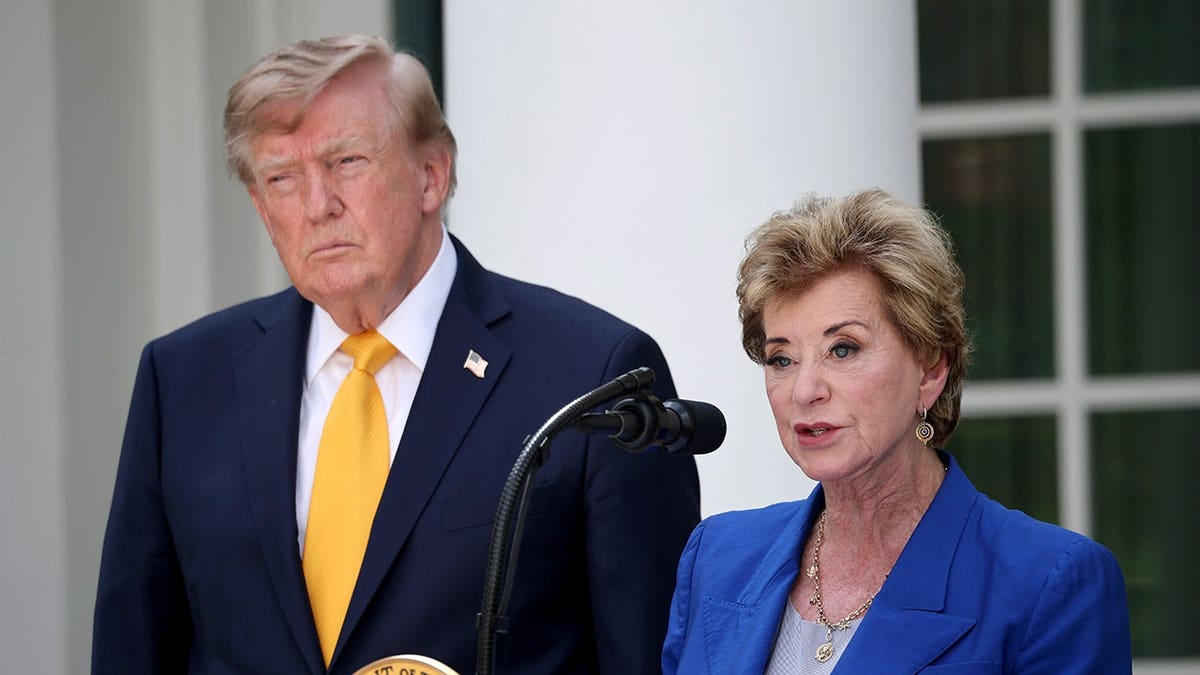
Education Secretary Linda McMahon mentioned that some Democratic leaders oppose the initiative due to its association with Trump. Kentucky Governor Andy Beshear’s initial resistance was overcome when the state legislature overrode his veto, bringing Kentucky into the program.
Financial Incentives for Blue States
Sydney Altfield, CEO of Teach Coalition, argued that the tax credit’s financial incentives are appealing to governors of blue states. Altfield cited Colorado Governor Jared Polis, who joined the program in 2025, suggesting it offers resources for education like tutoring and summer programs.
Governor Hochul’s spokesperson, Emma Wallner, confirmed New York’s intent to join, making it the 30th state to opt in. However, major labor groups and teachers unions remain opposed, launching a petition against the initiative.
Challenges for Public School Systems
For many Democrats, school choice has long been controversial, as they argue it undermines public schools and labor unions. Yet, increasing demand for alternative education options post-COVID-19 pushes some to reconsider their stance.
Supporters argue the program brings money and educational opportunities to states. Altfield emphasized the impact on job availability and parent financial relief.
Joshua Q. Nelson, a reporter for Fox News Digital, covers cultural trends, education, and public policy. His work includes reporting on reparations and immigration issues.
Leave a Reply