In U.S. youth soccer, financial barriers are hindering talent development. Commentators Dana Perino and Jonathan Bornstein have discussed the ‘pay-to-play’ model. This model significantly limits opportunities for families with lower incomes.
The average yearly expenditure per child has seen a 69% increase since 2019. This highlights a systemic issue that needs addressing for better opportunities.
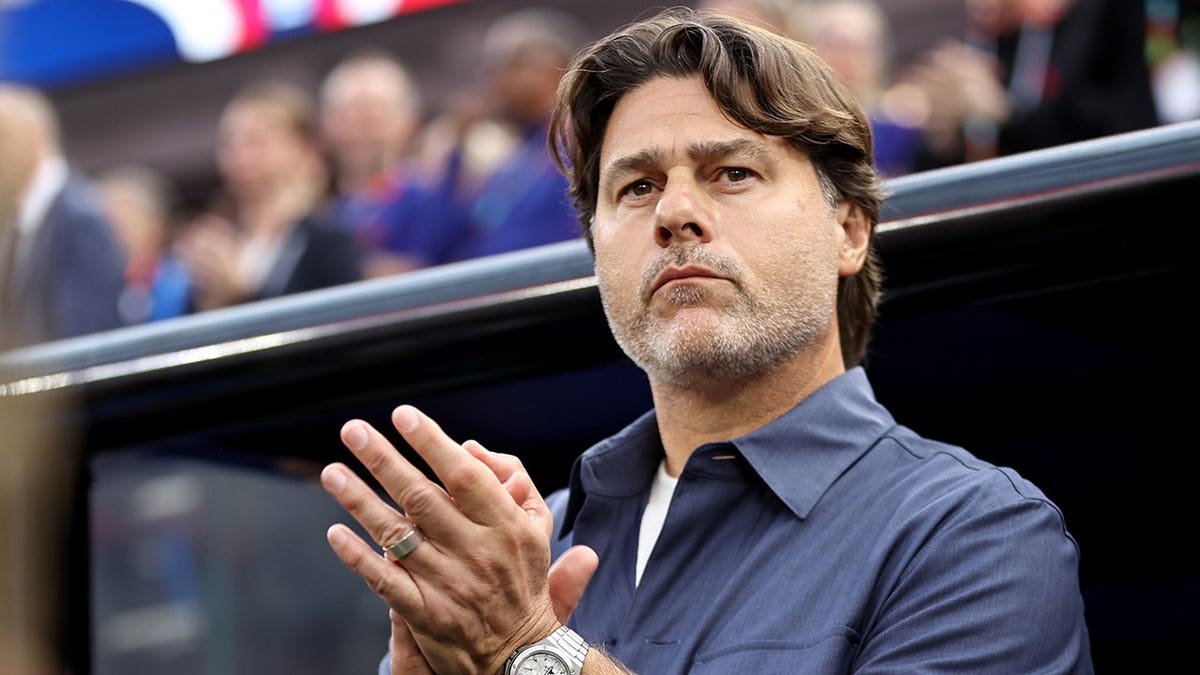
For the U.S. Men’s National Soccer team, continuity will be present at the 2030 World Cup. Despite rumors of a club-level return, manager Mauricio Pochettino has renewed his contract. This decision will keep him guiding the team through 2030.
Pochettino commented on the potential for the Men’s National Team to grow stronger. He plans to enhance all areas of U.S. Soccer and improve pathways for players and coaches. His goal is to leave a lasting impact on the sport in the U.S.
Under his leadership, the team won their third World Cup group stage outright at the 2026 World Cup. They achieved their first knockout-stage victory since 2002, defeating Bosnia and Herzegovina.
Though the team aimed for the quarterfinals, a loss to Belgium in the Round of 16 curtailed that goal. Nevertheless, Pochettino’s continued leadership is seen as a positive for American soccer.
The prospect of attracting a more proven manager than Pochettino is unlikely. His influence and understanding of the current team offer stability as U.S. soccer culture grows.
The 2030 World Cup will be hosted jointly by Portugal, Spain, and Morocco. Pochettino’s involvement builds momentum with the familiarity of the team and prospects, benefiting American soccer’s future.
Leave a Reply