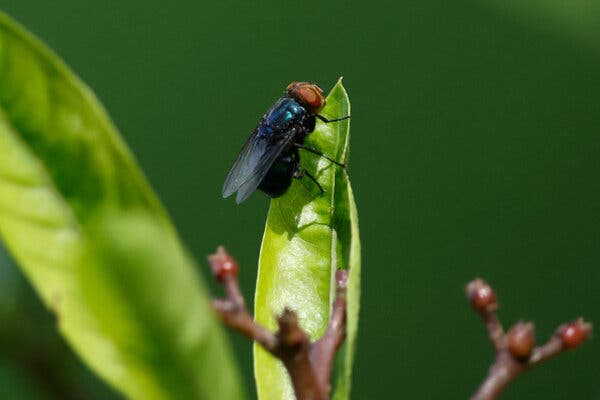
The New World screwworm fly, known for its flesh-eating larvae, has returned to the United States after a 60-year absence. This parasitic insect, which affects livestock, wildlife, and pets, poses significant concerns for American agriculture.
A recent discovery in a 3-week-old calf in Texas has prompted federal officials to take action. The larvae of this fly feed on the tissue of their hosts, which can be fatal if infections remain untreated.
Decades ago, North and Central America eradicated the screwworm fly through determined efforts. However, its presence in South America has allowed it to edge closer to the U.S. border again.
The return of the screwworm could severely impact the cattle industry, potentially driving beef prices higher. Caleb Hubbard, an entomologist at New Mexico State University, emphasized the potential damage it could cause to livestock.
This pest does not restrict itself to livestock. It also poses risks to wildlife, pets, and occasionally, humans. To address the situation, federal and state agencies are working on containment strategies in Texas. They assure the public that the risk remains low if guidelines on animal treatment and movement restrictions are followed.
At a recent news briefing, Agriculture Secretary Brooke Rollins highlighted the importance of these measures to prevent the screwworm fly from establishing itself in the country.
Leave a Reply