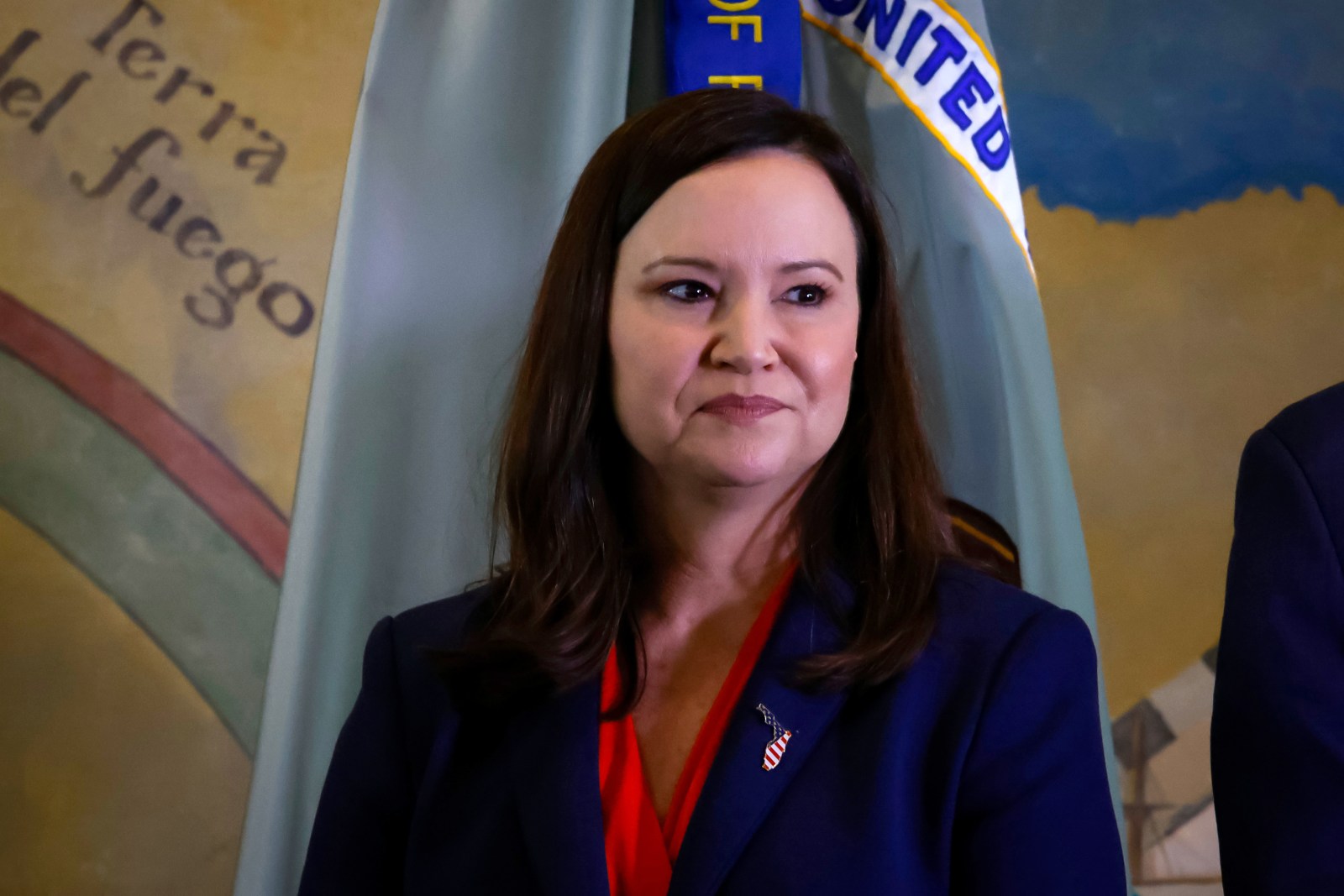
The Florida Senate race is drawing attention as it pits a progressive Democrat against a Republican backed by Donald Trump. This happens in Trump’s home state, adding to the significance of the contest. Senator Ashley Moody, appointed by Governor Ron DeSantis after Marco Rubio became Secretary of State, faces her first statewide election as an incumbent. This status offers her an advantage, yet Democrats see a chance to claim the seat Rubio held for over a decade.
Democratic Primary Outcome
Angie Nixon emerged victorious in the Democratic primary with 55.2% of the votes, defeating Alexander Vindman. At the time of the announcement, 83% of the votes were counted. Nixon, a lifelong Jacksonville native and former union organizer, is tackling her first major Senate bid. Her win prompted Senate Democratic Leader Chuck Schumer and Democratic Senatorial Campaign Committee Chair Senator Kirsten Gillibrand to issue a statement. They highlighted Nixon’s commitment to Florida and critiqued Moody’s record on healthcare and insurance matters.
Challenges for Democrats in Florida
Despite aiming to flip the Senate seat, Democrats face significant hurdles. Florida has leaned increasingly Republican over the past decade. The GOP has secured a voter registration edge and dominated many statewide contests. Polls currently favor Moody, although the lead is smaller compared to past races.
Nixon’s Campaign Strategy
Nixon is one of Florida’s prominent progressive voices, focusing on core issues like cost reduction and paycheck expansion. With a background in grassroots organizing, she emphasizes connecting with working-class voters often absent in elections. Her bond with organized labor and progressive entities provides critical support, helping her draw enthusiastic support from young and progressive voters. These voters often seek clear differences from Republicans in political campaigns.
A survey by the University of North Florida’s Public Opinion Research Lab showed Moody with a 50 to 42 percent lead over Nixon in a potential general election scenario. Notably, at a similar stage in the 2022 election cycle, Rubio trailed his opponent, Val Demings, yet ultimately won with a 57 percent majority. Polling platforms like Polymarket and Kalshi give Republicans high odds of securing the election, reflecting prevailing sentiments among traders.
Overcoming Perceptions and Resource Disparities
Nixon champions affordability issues as the Democrats’ potential strength in Florida, where housing and insurance costs burden residents. However, she faces challenges as Republicans label her a far-left candidate. South Florida’s Cuban American and Venezuelan American populations have historically viewed progressive candidates skeptically.
Fundraising presents another obstacle for Nixon. Her financial backing lags behind both Moody and Vindman. Running a statewide campaign in Florida’s pricey media scene demands significant investment, an area where Democrats often struggle without national party funding.
To succeed, Nixon must ignite unusually high Democratic turnout and persuade independent voters to prioritize economic concerns over ideological tensions.
Historical Context for Democrats
The Democratic Party last won a U.S. Senate seat in Florida in 2012 when Bill Nelson defeated Republican Connie Mack IV. Nelson’s loss to Rick Scott in 2018 marked a shift, as Republicans bolstered their standing across local to federal elections, establishing a voter-registration stronghold.
This historical context emphasizes the difficulty ahead for Democrats in November. Overcoming Moody’s advantages and reversing a decade-long Republican trend pose substantial challenges. Nevertheless, Democratic strategists remain hopeful as economic concerns and broader political landscapes continue to unfold.
Leave a Reply