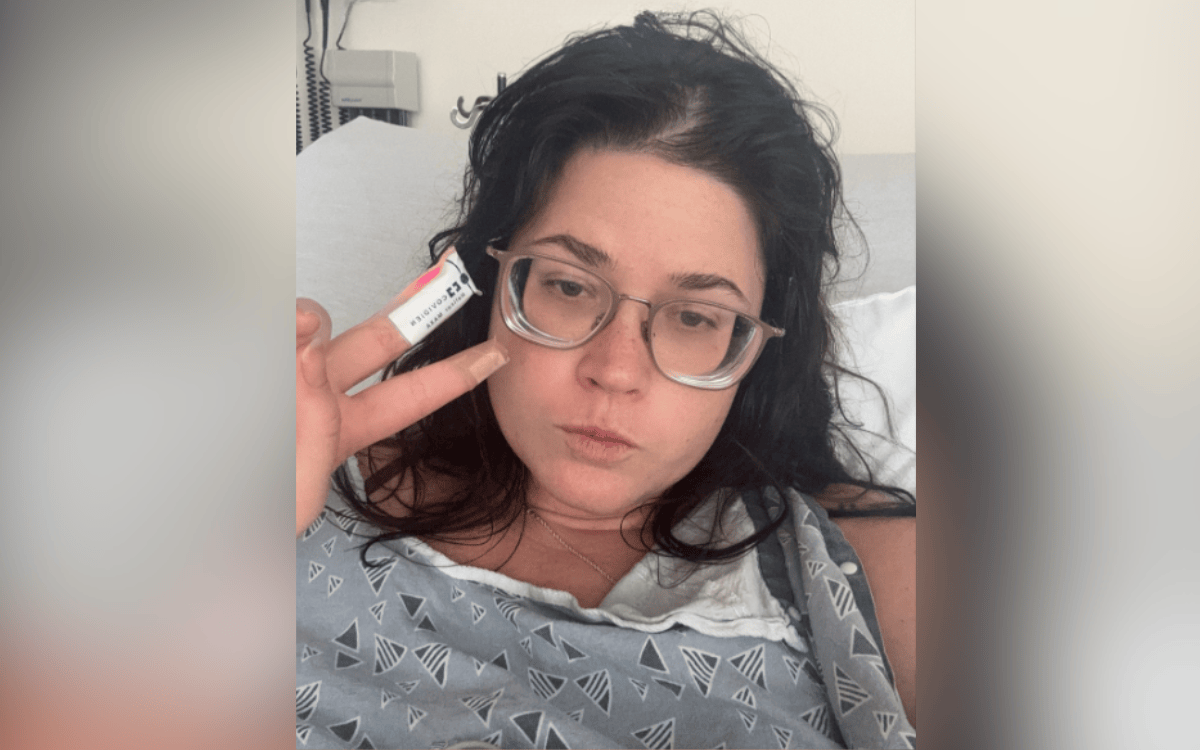
Destiny Amos first visited the emergency room due to dizzy spells and brain fog, suspecting low blood sugar to be the cause. But a CT scan revealed something unexpected. Amos, from Jacksonville, Florida, couldn’t pinpoint when her symptoms began. However, last June marked a significant worsening. She described experiencing dizziness, a sensation of swaying, brain fog, and numbness on the left side of her face.
Amos felt a persistent anxiety, sensing something seriously wrong. One night, she awoke disoriented, feeling unsteady, dizzy, and had a racing heart. Her mother called 911, leading to Amos’s urgent trip to the ER. She informed her doctor about her ‘low blood sugar’ episodes, previously diagnosed with related issues. Concerned, the doctor ordered CT scans of her abdomen and brain.
The results explained her symptoms. A 3 cm suspected meningioma was detected in her brain’s posterior fossa area, pressing against the cerebellum and causing mild mass effect.Amos shared.
Meningiomas form in the membranes of the brain and spinal cord. Typically noncancerous, they are the usual primary brain tumor in adults, accounting for 33-40% of cases in the U.S. Women more often develop meningiomas than men, with risk increasing with age. These tumors arise from the meninges, not brain tissue, despite their classification as brain tumors.
Amos transferred to a larger hospital for an MRI, providing a better tumor view. She spent a month hospitalized before surgery. Amos recalled dealing with symptoms that were attributed to anxiety, low iron, or thyroid issues, including fatigue, blurry vision, brain fog, and numbness.
The tumor’s location affects coordination, balance, alertness, and stress response.she explained.
Knowing the tumor existed clarified potential neurological contributions to her experiences, offering some relief despite the overwhelming nature of preparing for brain surgery.
On August 24, Amos underwent surgery. Doctors discovered the tumor was partially calcified, indicating its longstanding presence. Her surgeon successfully removed it completely. Three weeks later, biopsy results confirmed it was benign.
Amos described her recovery as slow but fortunate, as the surgery concluded without major complications. She experiences concentration issues, short-term memory lapses, nerve pain, ringing ears, and headaches. Recovery progress varies, with some days feeling better than others.
Doctors anticipate her feeling more like herself in about three months. Amos navigates the rapid changes emotionally, having random crying spells when overwhelmed. She finds solace in talking to others who have undergone similar surgeries and aims to share her story to help others feel less afraid.
I’m still healing, but if sharing helps even one person, it’s worth it.she expressed.
Newsweek utilized Martyn, an AI assistant, for this story. Contact editors Marc Vargas and Anthony Murray for more information.
Leave a Reply