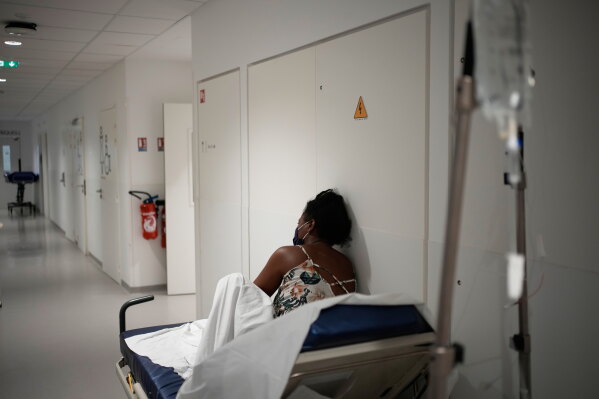
The recent heat wave in France highlighted a critical need at the Paris-region hospitals. As temperatures soared, emergency teams had to quickly lower patients’ body heat to prevent fatalities. Without ice machines, they turned to a fast-food restaurant for supplies. They also purchased ice from supermarkets to provide urgent care.
Paris-Saclay Hospital has taken steps to prevent future crises by ordering an ice machine. Medics and administrators expect more extreme heat due to climate change, similar to preparing for annual flu seasons. Hospital Director Cédric Lussiez described the recent week as “horrible” and admitted their initial unpreparedness. Hospitals are now continuously working to find swift solutions and implement lessons learned.
Enhancing Hospital Preparedness
Hospital readiness for severe heat waves is improving nationally. The recent record-breaking heat affected France, the UK, and other countries. French Prime Minister Sébastien Lecornu announced a 100-million euro plan to enhance cooling systems in hospitals. Furthermore, an urgent order of 30,000 air-conditioning units was placed, with deliveries beginning soon to ease potential future hospital strain.
The World Health Organization (WHO) dubbed the heat wave as a precursor to future hotter summers. WHO emphasized that these temperature extremes are no longer rare and warned that unpreparedness costs lives.
Surge in Heat-Related Emergencies
Paris-Saclay Hospital’s emergency department witnessed a sharp rise in heat-related cases starting June 20. Dr. Nicolas Gonzales noted the intensity of the situation, comparing it to tackling a “big mountain.” Cases included heart attacks, dehydration, kidney issues, and coma, affecting all age groups. He highlighted the bodily assault caused by heat when the body can no longer cope.
The staff managed the first emergency with a 50-year-old man in a coma, pressured by a body temperature of 40 degrees Celsius. Swift hospital admission was vital.
Improving Defense Against Heat
Although Paris-Saclay Hospital is equipped with air-conditioning, other group hospitals aren’t as prepared. The heat stressed these older facilities, requiring temporary fixes like fans and ice blocks to cool medications. Student nurses played a role in hydrating patients, with temperatures reaching up to 33 degrees Celsius in parts of the hospital.
Lussiez is enhancing the psychiatric unit with cooling rooms and planning additional renovations. Plans include relocating departments to better facilities to enhance safety and care.
Steps taken now aim to place hospitals in a stronger position for the expected next heat wave.
Report contributed by AP journalist Alex Turnbull
Leave a Reply