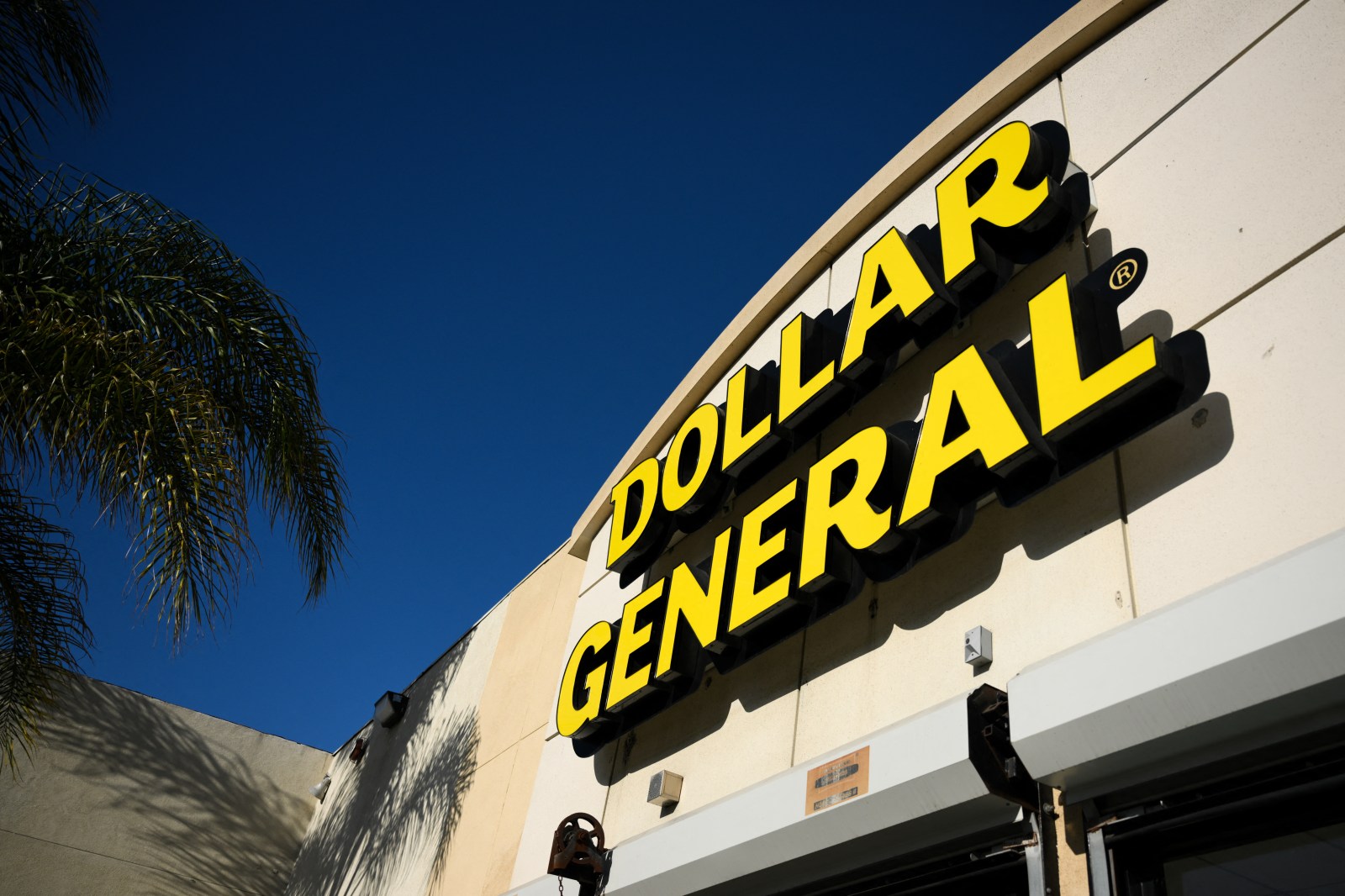
The Federal Trade Commission (FTC) alongside 20 states has filed a lawsuit against Dollar General. The lawsuit alleges that the retailer has engaged in “deceptive” pricing practices by charging customers more at checkout than the prices advertised.
Nature of Allegations
Filed in a Tennessee federal court, the lawsuit accuses Dollar General’s pricing methods of costing customers millions over several years. Despite numerous complaints, the retailer is said to be aware of these issues. According to Christopher Mufarrige, director of the FTC’s Bureau of Consumer Protection, Dollar General has betrayed the trust of consumers, imposing financial hardships on communities that are already financially burdened.
Involved States
The 20 states part of the lawsuit include Alabama, Arizona, Arkansas, California, Connecticut, Florida, Illinois, Iowa, Kansas, Louisiana, Michigan, Mississippi, Nebraska, New Jersey, North Carolina, Ohio, Oklahoma, Tennessee, Utah, and Wisconsin.
Details of the Complaint
The FTC’s complaint claims that Dollar General mislabeled prices, leading to registers charging more than the prices marked on shelves. It accuses the company of exploiting vulnerable shoppers through millions of dollars in unlawful overcharges. Despite receiving tens of thousands of consumer complaints, Dollar General allegedly did not establish measures to prevent these pricing discrepancies.
The FTC and the states argue that Dollar General’s practices breach federal and state laws. The states accuse the company of “unlawful, unfair and/or deceptive practices” in violation of state regulations.
Dollar General’s Reach
Dollar General operates over 21,000 stores nationwide, focusing on low-cost shopping options. The company serves primarily low- and fixed-income families, with about 60% of its revenue coming from households earning $35,000 or less annually. Offers such as roughly 2,000 items priced at $1 or less are significant for customers maintaining their budgets.
Potential Impacts on Shoppers
The lawsuit claims that Dollar General’s practices have led to millions in overcharges for consumers. The FTC and the states aim for a permanent injunction, monetary compensation, and other legal remedies. These could include restitution and civil penalties. The exact amount for consumer refunds remains unspecified and hinges on the court’s final judgment.
The court has yet to prove the allegations. The case awaits further legal proceedings.
Leave a Reply