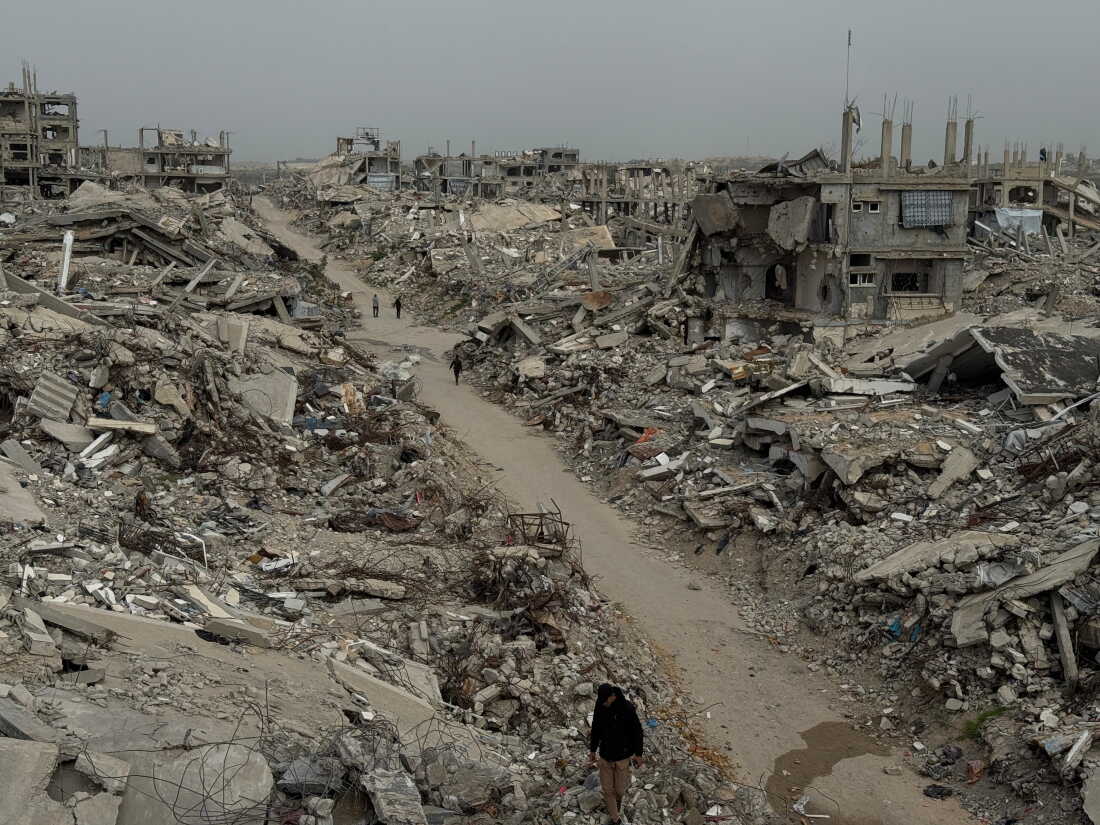
A neighborhood in Beit Lahia faced significant destruction due to Israeli strikes in October 2024. Among the devastation, a building was hit, resulting in the death of 132 members of the extended Abu Naser family. This incident stands as one of the deadliest in the conflict.
Efforts to Recover Bodies
In the aftermath, an Israeli drone surveyed the area, now filled with debris. The destruction turned homes into graves. A recovery team undertook missions to retrieve bodies buried beneath the rubble. The team focused on a five-story apartment building where the Abu Naser family had been sheltering during the attack.
“We’ve been dreaming every day of the moment we could recover the martyrs, honor them, and bury them,”said Ola Abu Naser, a survivor who lost many family members.
White body bags now hold the remains found at the site, representing the lives lost in the attack. The Gaza health ministry estimated about 8,000 bodies still remain under debris across Gaza.
Challenges in Body Recovery
Resources for recovery are scarce. The International Committee of the Red Cross reported only one excavator available for body recoveries. A second machine was recently repaired and will soon assist in these efforts. The need is dire, but recovery challenges are numerous as families desperately seek closure.
The scale of the need is so high. One functioning excavator is simply not enough,said Pat Griffiths, a spokesman for the Red Cross.
The constraints on machinery arise from security concerns voiced by Israeli officials. Rehabilitation efforts face significant limitations as long as political and military tensions persist.
Detailed Recovery Operations
The recovery team works methodically, using machinery to lift debris. After shutting off the engines, workers rely on their senses to locate bodies. The emotional toll is profound as bodies are identified by surviving family members. By the end of their first day, the team had retrieved four bodies from the ruins.
On the second day, more victims were found. Among them, a young brother of Ola Abu Naser was identified by personal items like glasses. Survivors grapple with their loss and the reality of being left behind.
The ones who died are the survivors. The ones who survived are the dead.
Ola Abu Naser, reflecting on the loss of her family members, expressed the depth of her pain and the stark contrast between those who were ‘at rest’ and those who ‘lived through.’ By the end of the second day, 20 more bodies had been identified and recovered.
Unresolved Mourning and Continued Search
The mission uncovered 50 bodies in total, but some family members remain missing. Despair lingers as survivors like Moeen Abu Naser confront the helpless reality of missing loved ones.
I couldn’t say goodbye, I couldn’t help, and I feel helpless,Moeen shared, reflecting on the loss of his brother and extended family.
Rescue activities reopened emotional wounds for survivors. The large number of casualties from the conflict has left many grieving without closure.
At the end of the operation, relatives and workers gathered to pray over the recovered remains, now resting in a cemetery. The recovery machine soon moved to the next collapsed site, indicating another family awaited their turn for closure.
The tragic events and ongoing recovery efforts reflect the severe impact of the conflict on civilian life in Gaza, as numerous families like the Abu Naser’s continue to grapple with loss and a disrupted future.
Leave a Reply