In Nepal, Gen Z has taken the lead in disaster reliefefforts following the destruction caused by floods and landslides on August 26, which left thousands dead or missing. A team of 10 young volunteers initially began distributing relief supplies but shifted their focus to direct rescue operations after witnessing the extent of the devastation.
Sunil Singh, a Gen Zer from Nepal, expressed the generation’s readiness to be at the forefront of these efforts. Prakash Bam, secretary of the National Gen Z Citizen Campaign, highlighted the urgency, stating, “Citizens are still waiting for life and death. The government should immediately intensify the rescue work, even if it means taking international help.” Frustrations have risen due to the government’s inefficiency in coordinating rescue operations.
This frustration is shared across borders, with young adults in the US also expressing dissatisfaction with government disaster responses. In Altadena, California, ‘A Resilient Tomorrow’ (ART) was formed after the Eaton Fire impacted the local community. Savannah Bradley, co-director, explained their motivation, “We recognized how much government disaster response and disaster aid falls short. We saw a gap in those services.”
GoFundMe data released in June showed that a significant portion of Gen Z prioritizes donations, with 57% including them in their annual budgets. The causes they support include social justice, politics, and children’s charities. ART continues to expand its efforts, engaging in advocacy, protection, and monthly donation drives.
Gen Z’s desire to make a positive impact is evident in a Harvard study, which found that 79% of young adults want jobs focused on helping others. Richard Weissbourd from Making Caring Common mentioned that young workers appreciate jobs that allow them to assist people, even in retail settings.
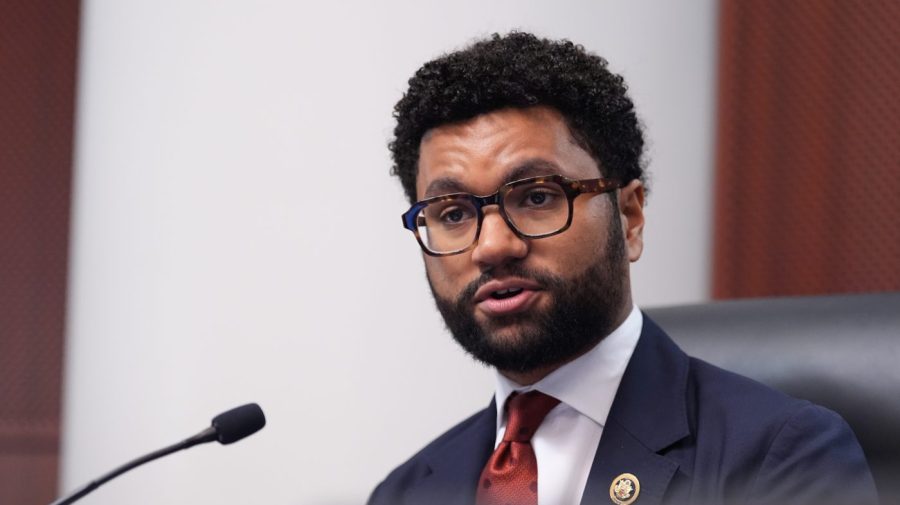
The political engagement of Gen Z is further highlighted by Rep. Maxwell Frost, the first Gen Z member of Congress. On a YouTube show, Frost argued for issues like student loan debt cancellation and countered stereotypes about his generation. He believes older generations often overlook Gen Z’s concerns.
In politics, candidates like Abdul El-Sayed in Michigan are reaching out to Gen Z through innovative campaign strategies. El-Sayed’s “Senate Island” campaign borrows elements from popular culture to appeal to younger voters. His efforts focus on policies that resonate with young people’s priorities, such as Medicare access.
Overall, Gen Z exhibits a commitment to activism, philanthropy, and political engagement. They continue to advocate for change and drive conversations about the future.
Leave a Reply