Ansley Brown, a Georgia woman from Coweta County, has become a notable figure in the debate over AI-driven infrastructure expansion. Her story continues as she shares a heartfelt farewell to her childhood home, which faces demolition due to Georgia Power’s transmission project intended to support data center growth. She posted a message on X, stating, “Today is the day we say goodbye to my childhood home. Soon to be demolished by Georgia Power for the data centers.” Alongside this post, she shared a video expressing her goodbye to the property central to her family’s long-standing fight against the project.
Brown has emerged as a vocal opponent of the Georgia Power project over the past year, leveraging social media to document her family’s struggle and raise awareness about the impact such data centers have on rural communities in Georgia.
The Data Center Battle
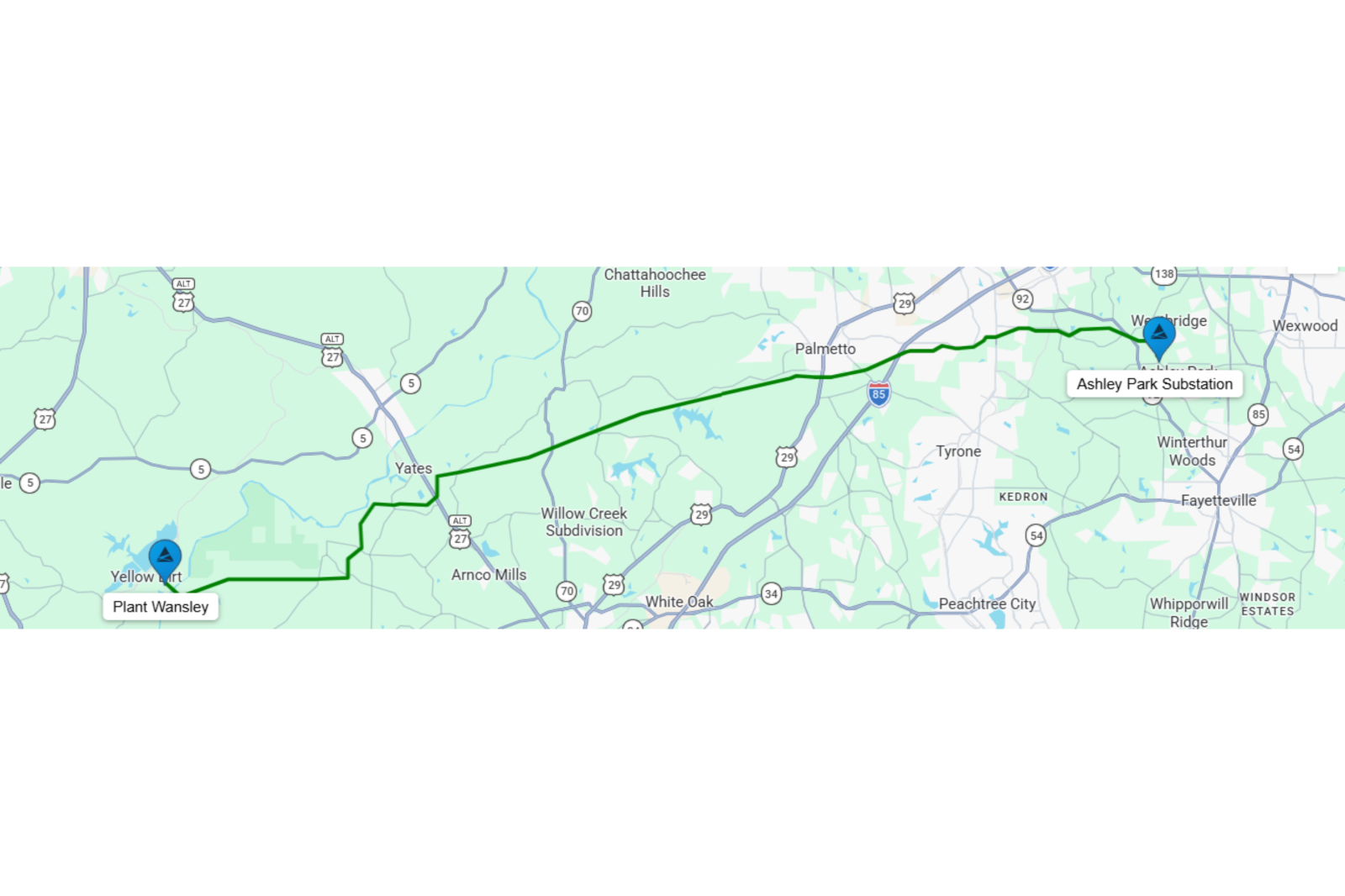
Georgia Power proposed the Ashley Park-Wansley 500-kilovolt transmission project consisting of a 35-mile transmission line linking the Ashley Park Substation in Fayette County to the Plant Wansley in Heard County. The utility argues that the expansion is crucial for strengthening the electric grid, ensuring reliability, and adapting to the increasing energy demand in Georgia.
Brown contests that the initiative threatens to eradicate property meant to remain within her family for generations. In a conversation on Marjorie Taylor Greene’s “Life With MTG,” Brown emphasized the impact, saying, “They’re going to completely demolish it to the ground and all of the buildings that are here that belong to my mom as well. We’ll never be able to come back here.” She referred to the home as a vessel of “generational wealth,” asserting, “The whole point for us was generational wealth, which is the American dream. And it’s being taken from us.” Her voice gained national attention, spotlighting her campaign against the use of “eminent domain” primarily serving data center developments.
Understanding Eminent Domain
Eminent domain is a legal prerogative permitting governments and certain utilities to procure private property for projects serving a public purpose, contingent on adequate compensation for property owners. The concept is rooted in the Fifth Amendment to the U.S. Constitution, which mandates that “private property” shall not “be taken for public use, without just compensation.” Georgia law permits electric utilities to use eminent domain for transmission-line projects, requiring public notice, routing, and negotiations with landowners.
This provision allows utilities like Georgia Power to compel the sale of private property even if owners are unwilling, so long as legal procedures are respected and compensation is provided. Opponents like Brown argue that infrastructure supporting private-sector data centers shouldn’t qualify as public-use projects.
Georgia Power’s Response
Georgia Power defends the project and the accompanying land acquisitions. On its project page, the company asserts the transmission line represents “critical infrastructure” essential for enhancing grid reliability, supporting evolving energy needs, and ensuring resilient service long into the future. According to the company, eminent domain is considered a last resort. A spokesperson indicated to CBS News that eminent domain is “a last resort for us and it’s something we never want to do.” The company stresses the need for transmission expansion to address Georgia’s surging electricity demands, with approximately 70 to 80 percent of demand on the new line linked to data center growth; the rest serves residential and commercial needs.
For Brown, the conflict transcends compensation. After numerous efforts including organizing, meetings, and social media advocacy, her final message marked the close of a campaign highlighting the friction between the AI surge, power infrastructure growth, and private property rights. Now, she faces the impending demolition of the home that shaped her early years.
Leave a Reply