In July 2014, Germany celebrated victory in the World Cup in Rio de Janeiro. This achievement was seen as the beginning of a potentially dominant era for Germany in sports and other arenas, with its efficient problem-solving approach hailed as a model for others.
Economic Prosperity in 2014
During 2014, Germany experienced stable economic growth, reduced unemployment, and decreasing government debt. Clemens Fuest, head of the Ifo Institute for Economic Research, highlighted Germany’s secure economic and political climate at the time.
Receding Football Success
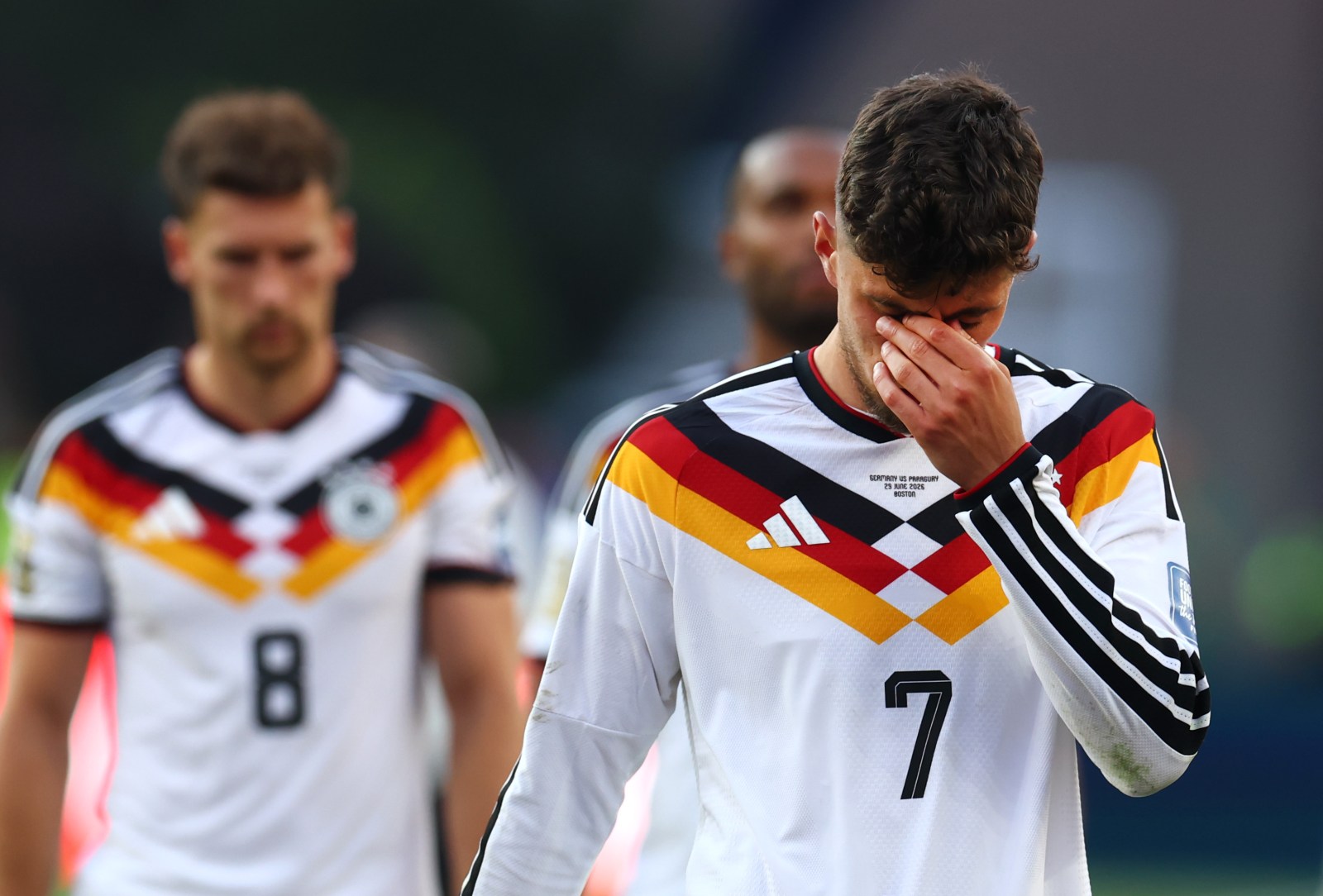
Recently, Germany faced an early exit from the World Cup, losing 4-3 to Paraguay in penalties. This incident marks the first penalty defeat for Germany in World Cup history, adding to a string of unsuccessful campaigns post-2014. From 1954 to 2014, Germany often reached semifinals, yet since then, it’s faced early exits in recent tournaments.
2014: Symbol of German Elation
The triumph over Argentina in the 2014 final, following a decisive win against Brazil, epitomized Germany’s technical mastery. This victory was celebrated not merely as a sporting feat but as a testament to Germany’s global strategic leadership.
Germany’s robust export sector, labor market, and manufacturing expertise supported its status as an economic powerhouse. Politically, Germany played a key mediator role in the eurozone debt crisis and enjoyed strong ties with international leaders, including the EU and the United States. Chancellor Angela Merkel exemplified Germany’s international influence.
Economic Challenges and Political Changes
Germany’s perceived stability in 2014 began to erode over the following years. Sudha David-Wilp of The German Marshall Fund noted Germany’s bullish outlook back then, untroubled by geopolitical risks, showcased by Merkel’s leadership and the diverse national football team.
However, Fuest notes a parallel decline in Germany’s football successes and its broader economic and political cohesion. Since 2019, the nation has experienced stagnation with private investments reverting to 2015 levels. EU projections anticipate modest economic growth, signaling a lost decade exacerbated by global events like the COVID-19 pandemic and geopolitical tensions, including Russia’s invasion of Ukraine.
Deindustrialization and Political Fragmentation
Pressures on Germany’s industrial backbone are evident in its automotive industry, with a forecasted decline in car production amid the transition to electric vehicles. EY analyst Constantin Gall foresees another challenging year for Germany’s automotive sector by 2026.
Political fragmentation emerges alongside these economic challenges, as the far-right Alternative for Germany (AfD) gains traction. Rising immigrant-related tensions have reshaped political dynamics, challenging the former consensus established by the Grand Coalition government.
Hans Kundnani from London’s Royal Institute of International Affairs points to a backlash against immigration driving AfD’s rise, reflecting a shift from the 2014 belief in a Germany-led Europe.
A Cautionary Narrative
Despite challenges, Germany upholds its status as a wealthy, high-income nation with assets like a skilled labor force and industrial prowess. It ranks as the world’s third largest economy and remains a leading EU member.
David-Wilp highlights Germany’s recent military investment increases, reflecting an adaptation to changing geopolitical realities. Nevertheless, the contrast with 2014 is stark, with the nation navigating economic, industrial, and political changes, parallel to its declining football achievements.
The imagery of Jonathan Tah’s missed penalty in the latest World Cup encapsulates Germany’s current uncertainties, diverging from its former reputation for precision and inevitability.
Leave a Reply