The global economy is facing a slowdown, reaching its weakest point since the Covid-19 pandemic. This downturn is largely driven by an increase in energy prices, as reported by the World Bank on Thursday.
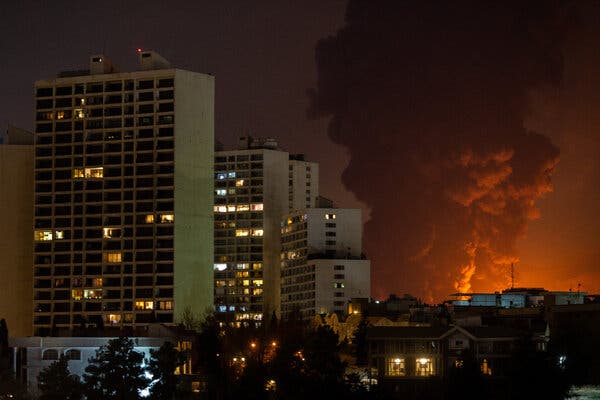
The conflict between the U.S. and Israel against Iran, which began in late February, has significantly disrupted cargo movement through the Strait of Hormuz. This has led to fluctuations in the prices of oil, gas, and fertilizers for several months. These supply chain disruptions have triggered a new wave of inflation, causing concern over rising interest rates and reduced global output.
The World Bank has adjusted its growth forecast, predicting a slowdown in output to 2.5 percent in 2026, down from 2.9 percent in 2025. If the conflict continues to escalate and supply disruptions persist, the output could potentially fall to 1.3 percent.
On Thursday, tensions appeared to escalate when former President Trump threatened additional military actions against Iran. He mentioned intentions to seize control of Iranian energy infrastructure, similar to actions taken in Venezuela: “At some point in the not too distant future, we will be taking Kharg Island, and other oil infrastructure points, and assume total control of their Oil and Gas Markets,” he wrote on social media.
Inflation, which has been a concern for over four years, is resurging due to the ongoing conflict. The World Bank expects global inflation rates to rise to 4 percent in 2026, up from 3.3 percent the previous year. This increase is primarily driven by a 22 percent rise in commodity prices, which had been predicted to fall earlier this year.
Leave a Reply