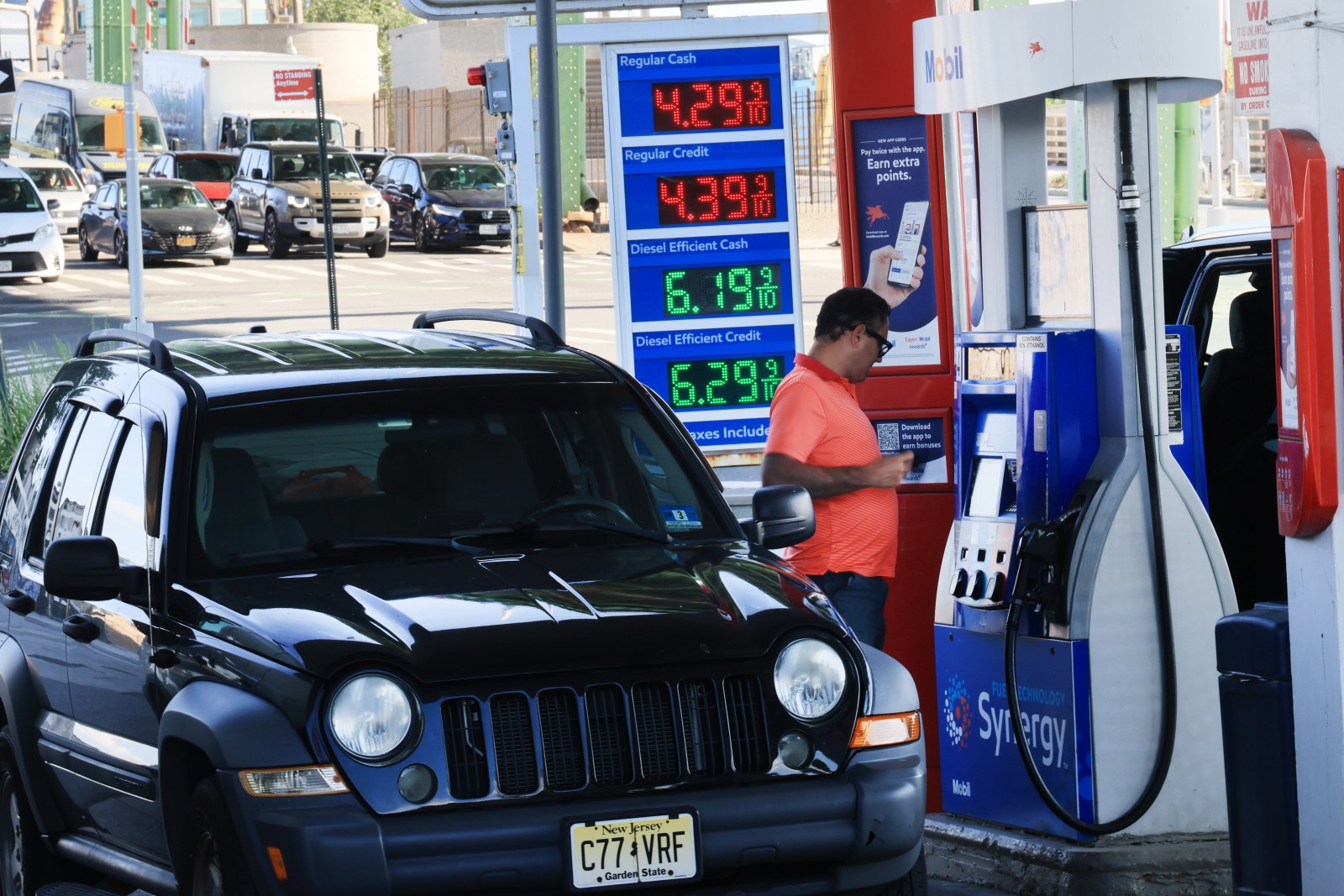
Drivers worldwide face an average cost of $5.89 per gallon for gasoline this week. This reflects a significant rise from late February, as reported by Global Petrol Prices. The increase began following the onset of conflict in Iran, disrupting global energy markets.
By February 23, just before the United States and Israel initiated strikes against Iran, the global average stood at $4.92 per gallon. Similar trends are observed in the United States, where the cost averaged $2.98 before the conflict began. As of Thursday, American Automobile Association (AAA) data shows a national average of $4.28 per gallon. This marks a $1.30 increase per gallon in the U.S. since February 28.
American consumers, already burdened by previous price surges following Russia’s Ukraine invasion in 2022, now face additional financial strain. Global Petrol Prices’ latest release, accurate until September 7, showed the U.S. national average at $4.42, slightly more than AAA’s figure of $4.15 that day.
Patrick De Haan from GasBuddy highlights the impact on consumers, estimating an extra $377 million daily in gas expenses, amounting to a $4.63 billion weekly surcharge. The potential reduction in gas prices typically seen in fall remains uncertain due to ongoing conflicts.
Despite challenges, Americans endure less severe price hikes than other regions. U.S. prices are around $1.61 less than the global average based on Thursday’s AAA data.
Lowest and Highest Gas Prices Worldwide
Fuel costs are climbing globally as the Strait of Hormuz, a major oil transit route, remains impacted. Lowest prices are found in countries like Libya ($0.09 per gallon) and Iran ($0.11), reflecting subsidies and domestic production advantages.
Conversely, Hong Kong tops the list with $15.892 per gallon, followed by countries like Malawi and Norway. High prices there result from heavy taxes and environmental levies.
Australia experienced the steepest increase in February, with a 42% rise. Followed by Sri Lanka (33.8%) and the U.S. (30.2%), these nations’ prices align closely with global crude shifts.
Many oil-producing nations with regulated markets avoided these hikes. Countries like Saudi Arabia and Kuwait shield consumers from immediate global price shifts.
Future Price Trends
The continued trajectory of gas prices depends largely on Middle Eastern developments and the potential reopening of the Strait of Hormuz. While the U.S. and Iran exchange ongoing strikes, immediate conflict resolution seems distant.
Even if the strait reopens, Denton Cinquegrana from Oil Price Information Service cautions that normalizing oil flow would take time. Patrick De Haan echoes skepticism over promises of falling prices post-election, stressing that geopolitical tensions might sustain current price levels.
Leave a Reply