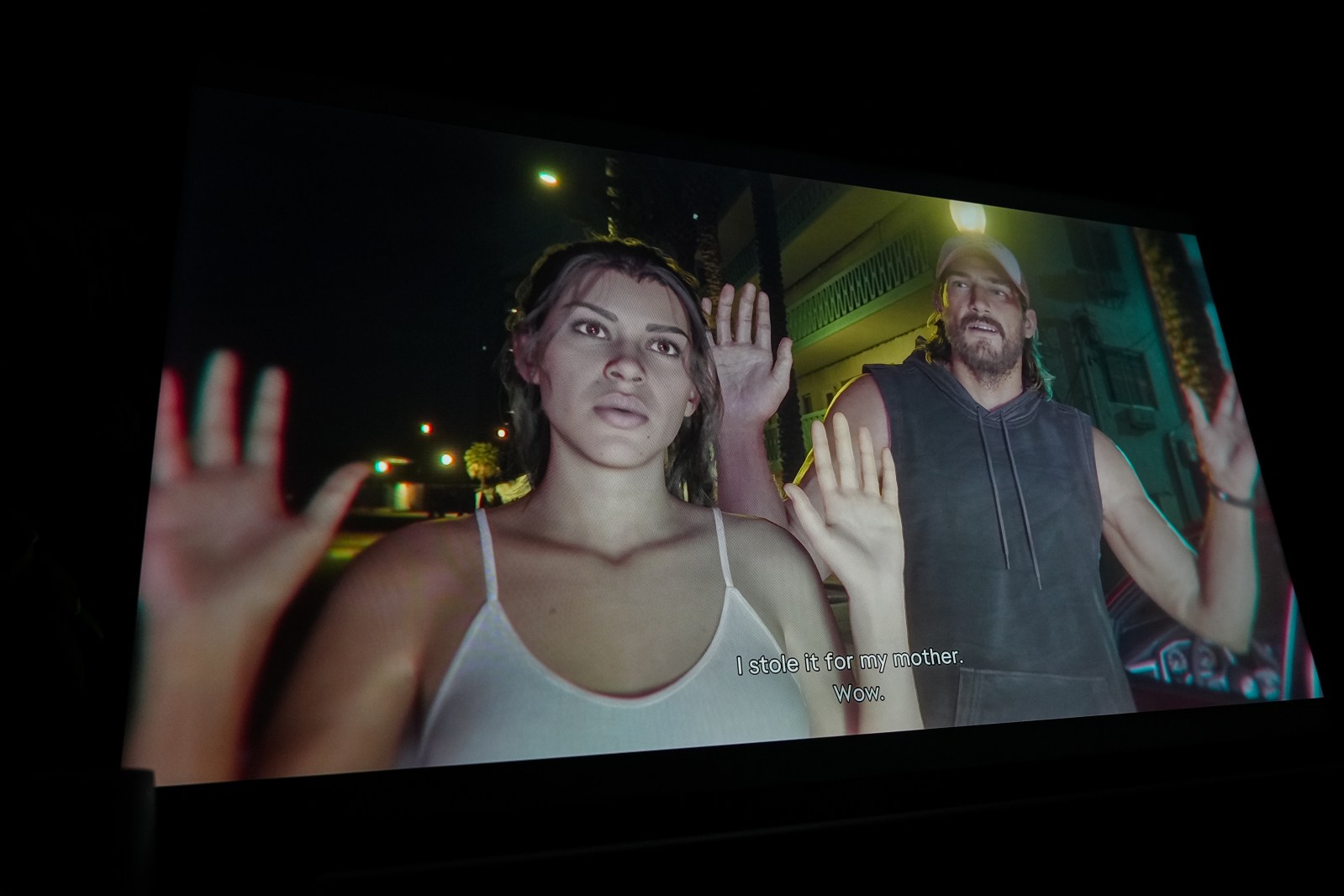
For over 20 years, evading police in Grand Theft Auto involved speeding and waiting for wanted levels to disappear. The latest release, Grand Theft Auto VI, changes this dynamic with a law enforcement system mirroring real-world practices. Set in the fictional city of Leonida, Florida, the game requires police to have a witness, an alarm, or camera evidence to initiate a pursuit.
Police in Leonida pursue leads with precision, tracking players through identifiable details like appearance, vehicles, and weapons. Stolen cars might have trackers, and traffic cameras can scan license plates. Some gaming media draw parallels between these mechanics and real-world tools like Flock Safety readers, which are debated in American cities.
Rob Nelson, co-studio head at Rockstar North, noted to IGN that previous GTA games gave players a sense of invulnerability. Law enforcement’s presence was less influential, with characters wielding hidden weapons. The new installment creates a more responsive environment with civilians who may fight back or report crimes to the police. This approach represents a significant shift from past iterations.
“In previous GTA games you were a bit all-powerful. This world in GTA 6 is not like that,” said Nelson.
How Police Track Players in Leonida
Whereas Grand Theft Auto V allowed instant police response regardless of location, the new system in Leonida requires someone or something to report a crime. Police awareness, or “heat,” is represented by icons beneath wanted stars, changing color as police gather information. Players must alter clothing, switch cars, or erase security footage to evade capture.
The game reinstates a six-star wanted level, with police no longer appearing instantly at high levels. Leaked footage depicted a traffic camera registering a car’s license plate, reinforcing the game’s realistic tracking capabilities.
Civilians play a more active role, either contacting authorities or confronting players. Such interactions decrease the protagonist’s reputation. The game’s dispatch system communicates crime specifics to police units, emphasizing the game’s realistic approach.
Reflections on Policing and Cultural Changes
Rockstar Games’ perspective on representing police changed after George Floyd’s murder in 2020. Plans for a Cops ‘n’ Crooks mode in GTA Online were quietly canceled, and the company paused servers to honor Floyd. Insider reports suggest a shift away from targeting marginalized groups in the game’s narrative.
According to Luke Arnott from the University of Western Ontario, the Grand Theft Auto series serves as a satirical lens on U.S. culture, created from an external perspective. The series has historically predicted societal and political shifts in America, providing a parody of the culture.
Despite controversy, the game retains elements of conflict with law enforcement, a significant aspect of earlier versions. Tesla’s Elon Musk expressed discomfort with the game’s portrayal of crime, stating his preference against engaging with such content.
Reception and Reactions from Officials
Police departments seized Grand Theft Auto VI’s launch to disseminate messages about real-world law enforcement. The Atlanta Police Department stressed the distinction between virtual and real choices, while other agencies created content mimicking GTA styles to convey their messages. Comments mirrored the gameplay, asserting the reality of consequences outside of the game.
Florida Senator Ashley Moody criticized the game’s depiction of her state, arguing against any perceived leniency in law enforcement. The game also inspired significant local marketing engagements, such as a promotional display by Miami-Dade County, although opinions varied on using public funds for this purpose.
Real-World Surveillance Technologies and Controversy
Flock Safety, known for its license plate readers, informs the in-game mechanics. Their technology photographs vehicles and logs data, accessible by over 5,000 law enforcement agencies. Public debate surrounds these systems, with entities on both sides critiquing their implementation.
Reports indicate widespread searches tied to immigration, causing unease about the potential misuse. Although Flock claims compliance restrictions, controversies arise over accessibility and data usage.
Among gamers, a mod for Grand Theft Auto V lets players target Flock-style cameras for in-game profit, adding layers of interaction with virtual surveillance.
Concerns About Violence and Video Game Impact
Discussion continues over violent video games’ influence, highlighted on Fox News where Grand Theft Auto VI was likened to giving a weapon to children. Despite the game’s mature rating, concerns persist about its portrayal of crime and consequences.
The American Psychological Association notes insufficient evidence linking violent video games to aggressive behavior, suggesting that most players, primarily adults, discern between game and reality.
Contributions to this coverage include reports by Michelle Curran and Gray R. Thomas.
Leave a Reply