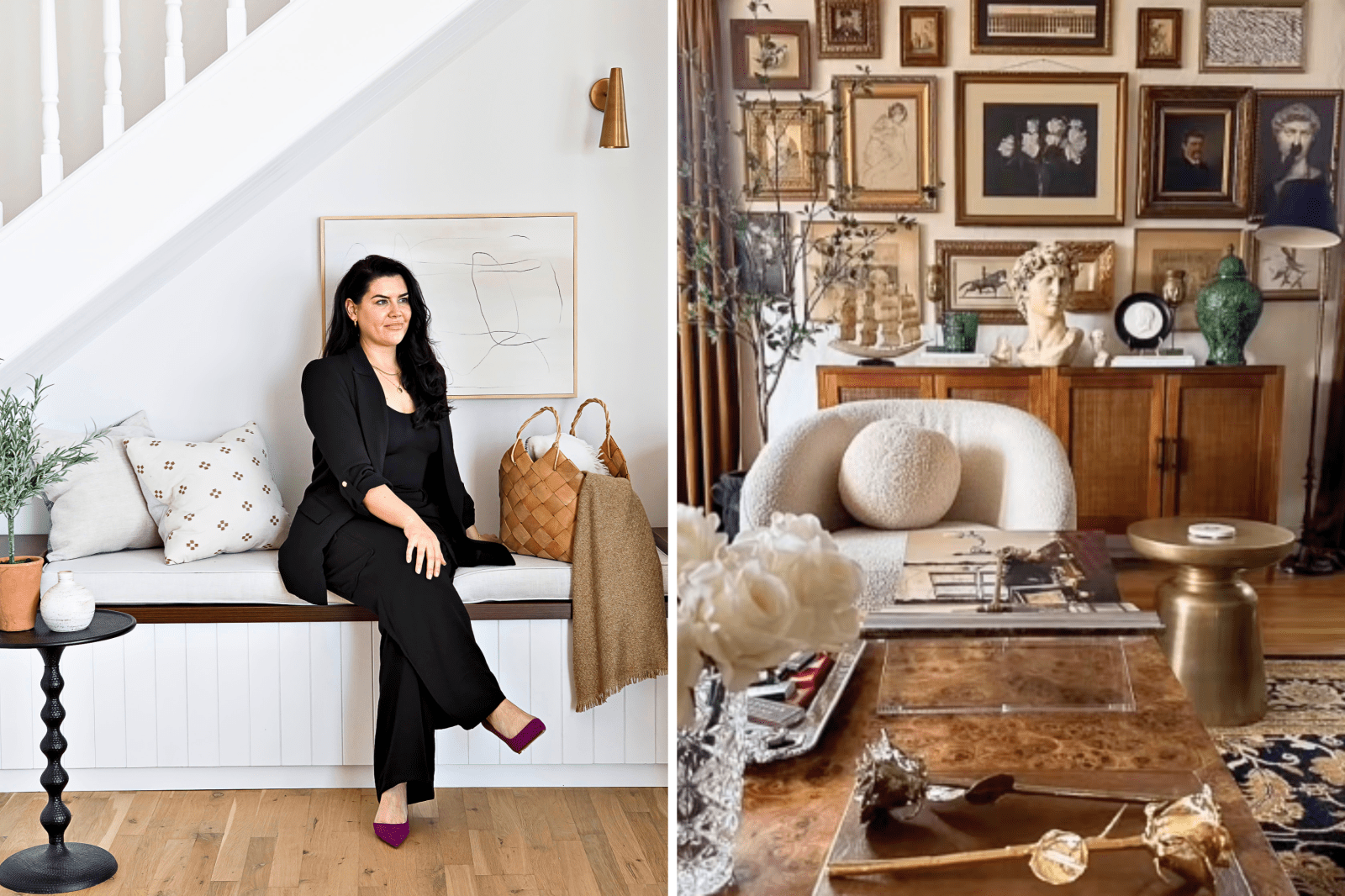
The ‘granny chic’ aesthetic surged in popularity, characterized by its warm woods, gold accents, and vintage charm. Yet, designers suggest its mainstream moment may be ending. Trend lifecycles have shortened, making it clear when they’re on the way out. This aesthetic, with its rich layers and charm reminiscent of a lived-in home, captivated many but now faces saturation.
The Rise and Fall
The granny chic style stood out for the better part of six years. Drawing from the ‘light academia’ aesthetic, it provided a welcome contrast to the cold minimalism that came before. Interior designers across the globe view its mainstream saturation as a turning point.
“This style rose quickly because people were craving warmth, nostalgia, and character after years of very minimal, gray, or overly polished interiors,” revealed Aoife Maria Tobin, creative director of Style So Simple.
Tobin notes that the problem lies in mass-produced replicas of the antique look. When a style becomes available as a kit, it loses its unique, historical charm.
Saturation and Commercialization
Once retailers start replicating a style in mass quantities, it begins to lose its distinctiveness. Tobin compares this trajectory to the ‘modern farmhouse’ trend, which also saw rapid replication and decline.
Similarly, Samantha-Jane Agbontaen, founder of House Designer, sees granny chic’s downfall rooted in its success. Popularity led to bland replications, diluting its charm. Connection to fast-moving social media trends, especially among Gen Z, accelerates this cycle.
A Fast-Paced Interior Cycle
The global furniture market is expanding rapidly, valued at $597.71 billion in 2025 with projections hitting $996.38 billion by 2034. This growth compresses trend cycles. For example, earthy tones saw a 22 percent increase in online searches, and chocolate brown interiors rose 120 percent in a year.
Agbontaen remarks that warmth and personality in homes remain desired, yet the approach is more restrained now.
“I will still love this style even after most of the internet deems it out of Vogue,” Tobin states.
To designers, the issue lies not with granny chic itself but with mass-produced copies.
Leave a Reply