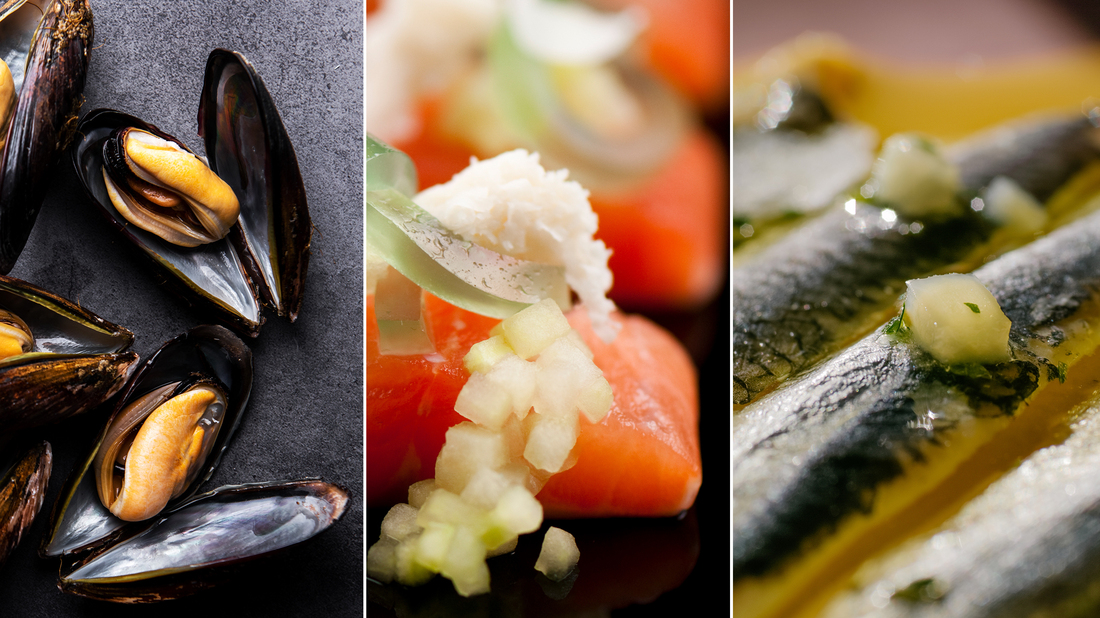
The allure of seafood often brings plenitude of dishes to our tables, from calamari to sushi. However, the increasing demand for seafood is impacting marine populations. In 2018, about 179 million tons of fish were harvested. Yet, this passion for seafood has contributed to declining species like the Atlantic cod due to overfishing and harmful practices which almost drove species such as the Maui dolphin to extinction. Understanding where your fish comes from is essential to making sustainable choices.
Select Seafood Wisely
The source and method used to catch fish are pivotal. Jennifer Dianto Kemmerly, from the Monterey Bay Aquarium’s Seafood Watch, advises that consumer choices significantly influence sustainable practices. Choosing responsibly caught fish sends a clear message that consumers favor environmentally friendly options.
Important Questions to Consider
When at a restaurant or store, ask the following questions:
- Was the fish pole or line-caught? This method is less likely to catch unwanted species accidentally, known as bycatch, which is often discarded and wasted.
- Was the fish caught in the U.S.? U.S. fisheries adhere to stringent regulations, ensuring sustainable management of fish populations.
Conduct Thorough Research
If asking is not possible, use online resources for guidance. Websites like Seafood Watch and NOAA’s FishWatch provide information about sustainable seafood. For instance, U.S.-caught pink shrimp is sustainably managed, whereas Argentine red shrimp is not recommended due to bycatch issues.
Familiarize yourself with the species you commonly consume. For example, U.S.-caught tuna is preferable, while bluefin stocks are depleted.
Do Not Rely Solely on Labels
Labels like “wild-caught” or “farm-raised” can be misleading. They describe the fish’s origin but not its sustainability. Environmental impact is the critical factor in making an informed choice.
Explore New Seafood Options
Step out of your comfort zone and try different fish species. Farmed mussels have a minimal environmental impact and are protein-rich. Arctic char offers a taste similar to salmon and is well-managed. Sablefish is another flavorful alternative to overfished bluefin tuna.
Exploring diverse options contributes to balanced marine ecosystems, mitigating pressure on overharvested species.
Leave a Reply