Seventeen years ago, Jennifer Thompson made headlines as a rape survivor who mistakenly identified an innocent man, leading to his wrongful conviction. The error was not unusual in an era where DNA exonerations have become more common. Confronted with the profound impact of these convictions, Jennifer has dedicated years to addressing the issue.
Bringing Victims and Exonerees Together
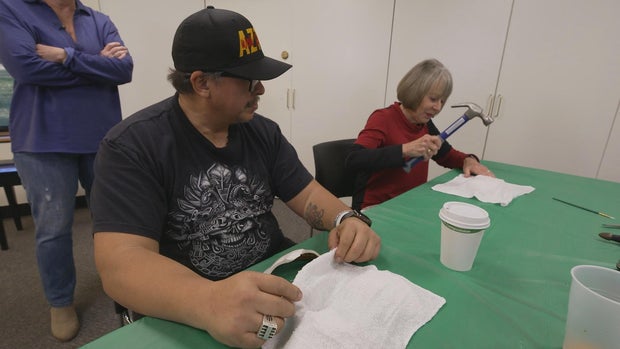
Jennifer founded the initiative “Healing Justice,” aiming to unite crime victims with exonerated individuals. The program facilitates multi-day retreats where participants engage in unique exercises, like smashing and repairing bowls, to symbolize healing.
On one table, women who faced sexual assault as teenagers repaired bowls alongside men wrongfully convicted of similar crimes. Nearby, a woman sat with a man exonerated for rape and murder, underscoring the wide-reaching effects of wrongful convictions.
Collective Trauma
Lesley Stahl engaged with Jennifer, who explained that wrongful convictions resemble a widespread catastrophe, impacting hundreds of lives beyond the convicted individual. Jennifer’s journey began during her college years in 1984. After surviving a brutal rape, she mistakenly identified Ronald Cotton as her assailant. Cotton served 11 years in prison before DNA evidence proved his innocence and identified the true criminal.
Jennifer turned her guilt into advocacy, publicly apologizing to Ronald Cotton and collaborating with law enforcement to minimize wrongful convictions. Despite over 3,800 exonerations to date, Jennifer noticed an overlooked aspect— the emotional toll on original crime victims.
Overlooked Pain
Victims like Tomeshia Carrington Artis and Penny Beerntsen shared the trauma of realizing their misidentifications sent innocent men to prison. Public backlash exacerbated their pain, making healing elusive.
Experts like Professor Gary Wells have shown how memory errors often lead crime victims to make incorrect identifications, as experienced by Jennifer and others. The failure to include the true perpetrator in initial lineups compounds the victims’ distress.
Breaking the Cycle
Addressing these experiences, Jennifer launched retreats where exonerees and victims from different cases engage in activities fostering empathy and understanding. They engage in discussions and exercises to confront internalized negative narratives and promote self-compassion.
Participants shared poignant lessons learned. The exercise of writing self-critical letters followed by letters of self-compassion highlighted the journey from pain to healing.
Connecting Through Shared Stories
During the retreat, storytelling, improv games, and art projects facilitated spontaneous interactions, deepening connections among participants. The retreats marked significant emotional shifts, achieving a sense of community and mutual support.
Andrea Harrison, whose mother’s unsolved murder lingers, and others like Raymond Towler revealed profound realizations. Towler reflected on perceptions of guilt, while Harrison grappled with the justice system’s failures.
A Path to Healing
Jennifer’s retreat concept has aided many in overcoming their struggles. Through shared experiences and transparent dialogue, victims and exonerees have found renewed strength and understanding.
The retreat concluded with a hopeful outlook. Participants showed courage and empathy, supporting one another as they embarked on personal journeys toward healing. Jennifer Thompson continues to facilitate these transformative experiences, walking alongside those affected by wrongful convictions.
Following the retreat, there have been joyous events, including the marriages of three exonerees: Howard Dudley, Chris Ochoa, and Raymond Towler. Their personal victories represent the ongoing process of healing and rebuilding lives.
Leave a Reply