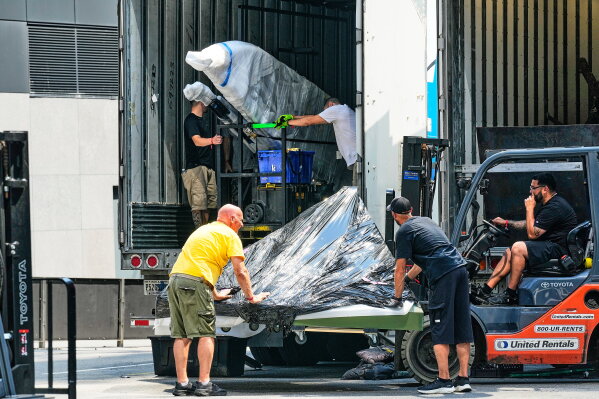
Intense heat is affecting the eastern U.S. as the Fourth of July weekend approaches, leading some communities to adjust their Independence Day events. The National Weather Service reported that the central and eastern regions will experience dangerous, record-breaking heat through Friday, continuing along the East Coast over the weekend. Predicted temperatures for the Northeast include highs in the 90s Fahrenheit, with cities like Philadelphia and Boston potentially exceeding 100 degrees. Increased humidity will further amplify the heat’s impact during celebrations marking 250 years since American independence.
Impact on Events
In Boston, the start time for entrance to the Boston Pops Fireworks Spectacular is delayed to 4 p.m. from noon on Saturday due to the heat. Philadelphia adjusted the route of a Thursday morning parade, canceled an afternoon Block Party, and delayed an evening picnic and concert at Independence Mall.
Lower Windsor Township, Pennsylvania, postponed an America 250 celebration to July 8, which includes food trucks, games, and a highway department dump truck. Norristown, Pennsylvania, canceled a Saturday parade to ensure the safety of residents and responders, though fireworks and an afternoon party will proceed as planned. Gettysburg National Military Park in Pennsylvania relocated outdoor events indoors. Amtrak also canceled some train services and may reduce speeds through Saturday due to high temperatures.
Community Responses
A heat dome is affecting regions from the Midwest to the East Coast. Many communities are taking measures to keep residents safe by opening cooling centers. In Boston, air-conditioned museums are offering free admission, and Providence, Rhode Island, has extended hours for city pools and waterparks.
On Wednesday, as the Philadelphia Phillies played the Pittsburgh Pirates in 98-degree weather, 16 pallets of water bottles were distributed. Bill Christy, attending the event in Philadelphia with two teenagers, mentioned seeking shade if needed while participants in traditional costumes adapted with linen to stay cooler.
Taylor Swift fans, including Amanda Powell from Arkansas, braved the heat to gather at Madison Square Garden. Central Park in Manhattan experienced temperatures reaching 100 degrees, marking a first since 2012.
Managing Electricity Demand
In response to New York’s high temperatures, Mayor Zohran Mamdani encouraged residents to set air conditioning to 78 degrees to reduce power grid stress. The suggestion received criticism from the mayor’s opponents online.
Power grids across New York state, New England, and parts of the Mid-Atlantic and Midwest anticipated peak electricity demand on Thursday, exceeding normal summer levels by around 40%. Despite record projections, operators haven’t called for emergency consumption reductions, as systems are prepared for such demands.
PJM Interconnection reported a projected all-time high for summer electricity demand on Thursday, exceeding previous forecasts with a cushion of energy above the peak. New England’s grid operator advised consumers to reduce energy use from 4 to 8 p.m. to ease grid pressure.
Associated Press writers Daniel Gelston, Anthony Izaguirre, Ted Shaffrey, Michael Casey, and Marc Levy contributed to this report.
Leave a Reply