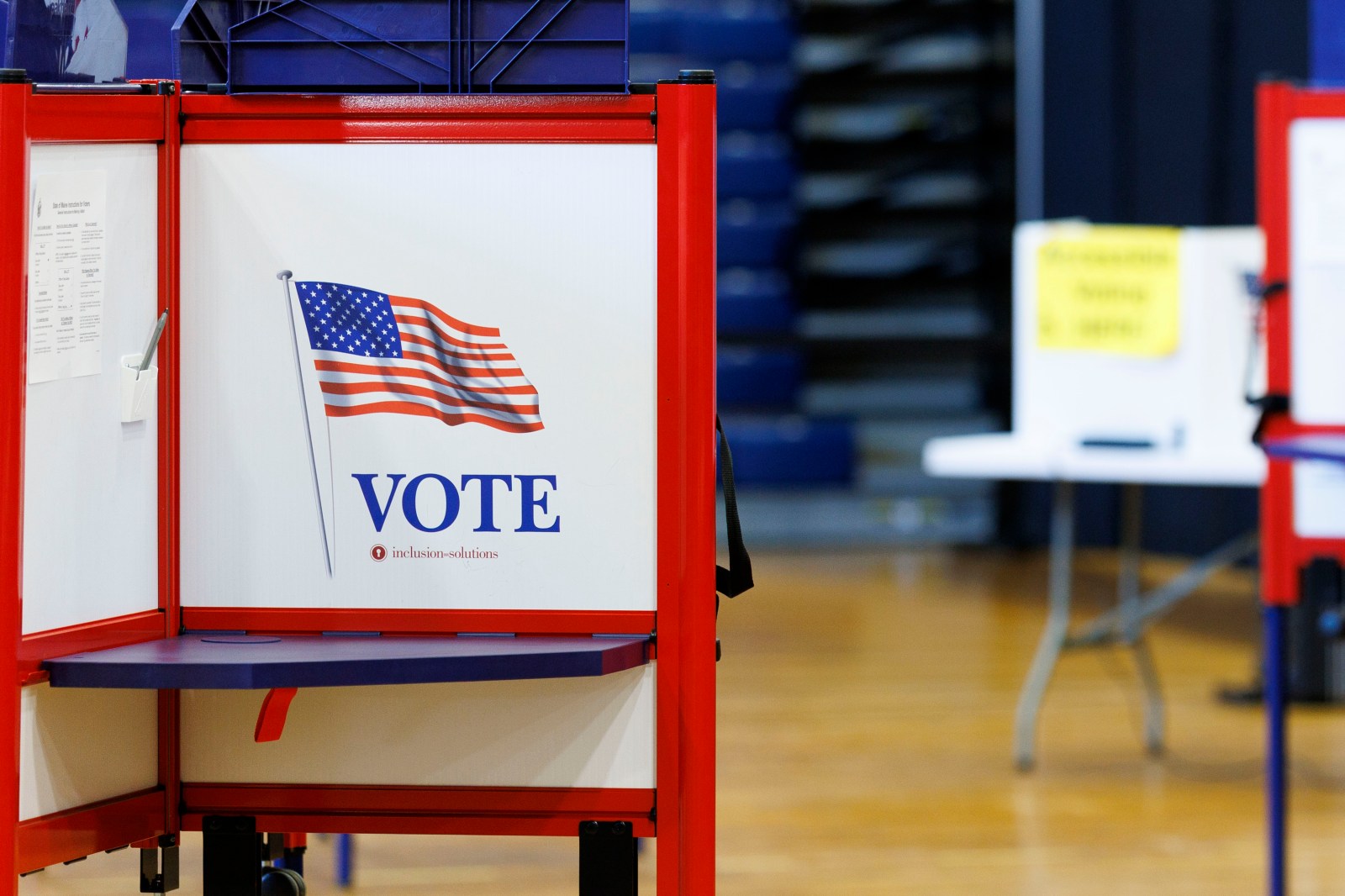
On Tuesday, Americans will participate in the 2026 midterm elections amidst increased focus on election security. Officials are dealing with multiple challenges, including voter intimidation, cyber threats, and AI-generated misinformation. These factors affect not only which party controls Congress but also the credibility of close or disputed results. Ensuring ballots can be traced and vote totals verified is crucial for distinguishing irregularities from actual fraud.
Voters, poll workers, and thousands of state and local election officials will operate within a framework of safeguards. Experts argue this makes widespread manipulation challenging, although uneven resources, cyber threats, and rapid misinformation pose vulnerabilities. The elections will cover all 435 House seats and 35 Senate seats, as well as various state and local contests, each with its distinct procedures.
“America’s election system has a genuine strength that is sometimes overlooked: it is decentralized,” stated Daniel Schatz, a political scientist, to Newsweek.
Elections are managed by thousands of state and local officials with checks such as paper records, bipartisan procedures, ballot tracking, post-election audits, and judicial reviews. This decentralization makes large-scale exploitation difficult. However, Therese Pearce Laanela from the International Institute for Democracy and Electoral Assistance notes that less-resourced communities may struggle to match more robust services.
Ballot tracking and mail voting come under scrutiny, as mail ballots are completed away from polls. Jurisdictions use various methods to verify eligibility and protect ballots before counting. Protections can include voter declarations, witness statements, signature verification, and ballot tracking. These measures are among the world’s most rigorous.
The integrity of mail ballots involves observer access to receiving centers, transparency in procedures, and scrutiny of ballot handling. This allows candidates and voters to assess procedure adherence without directly validating ballots.
Chain of custody for physical ballots is critical. Together with paper records, custody controls, and audits, these create multiple verification layers. Claims of compromised elections can thus be tested against physical and documented evidence rather than political assertions.
Addressing Voter Intimidation and Threats
Federal laws prevent intimidation or coercion affecting voting rights. International standards emphasize neutral, proportionate, and politically independent security. Nevertheless, differences in law-enforcement rules by state exist.
Experts like Timothy Gallagher, former FBI election security coordinator, emphasize the importance of safeguarding personal information online. Involved individuals should be cautious with digital exposure to prevent threats.
Election administrators should prepare extensively. Large jurisdictions typically plan for disruptions, but smaller ones with fewer resources may be vulnerable. Backup plans ensure continued voting even amid incidents.
Cybersecurity and AI Misinformation Risks
Threats often target individuals rather than voting systems, leading to financial and data theft rather than altered votes. New domains associated with voting indicate the potential for cyber deception, with fraudulent websites and phishing poses significant risks.
AI-generated misinformation complicates the landscape further. Fast, cheap false information can mislead voters about polling details, thus affecting participation.
Internet voting and ballot-marking devices present specific risks. Despite restrictions mostly to overseas voters, secured systems are difficult to maintain, raising concerns.
If results dispute arises, focus on evidence from ballots, custody records, audits, and official processes rather than viral claims. Transparent, independently verifiable procedures, not blind faith, are essential safeguards.
Leave a Reply