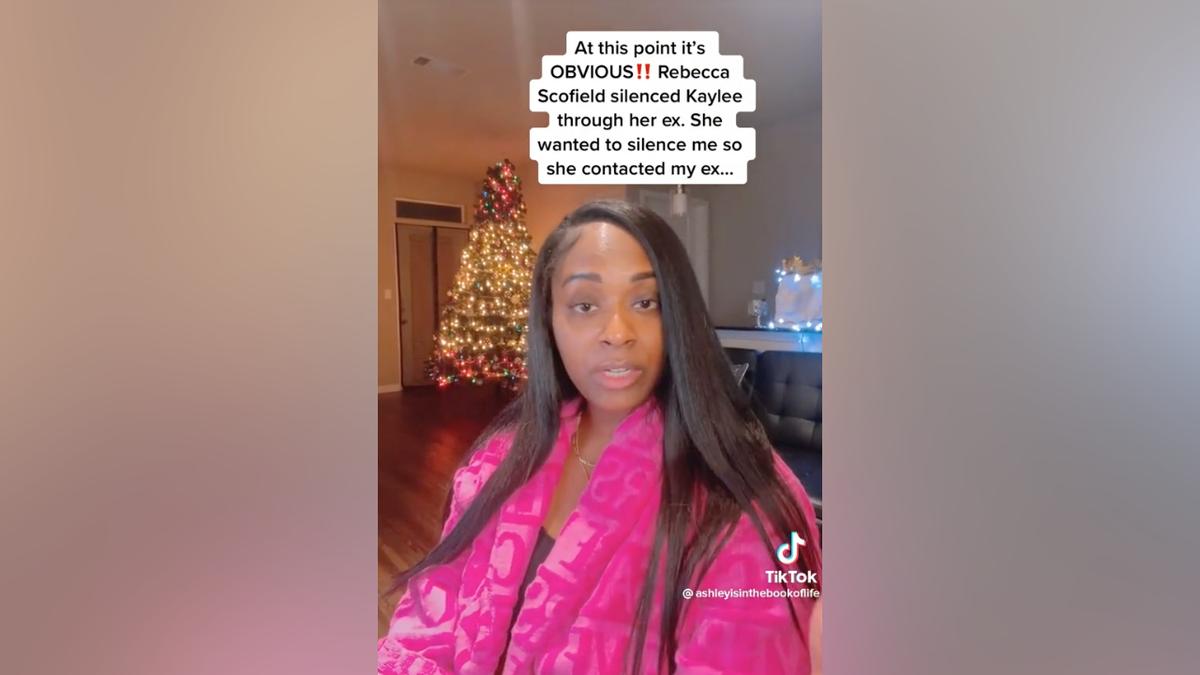
Historian Rebecca Scofield from the University of Idaho shared her experiences after suing a TikTok psychic, Ashley Guillard, who falsely accused her of involvement in the murders of four students. In an op-ed, Scofield described her fears for her children’s safety, recounting nights where she felt compelled to stand guard as they slept after Guillard’s baseless accusations became public.
Scofield first learned about Guillard’s unfounded claims on Thanksgiving, shortly after the murders occurred. According to court documents, she was devastated and concerned for her family. She recounted during the trial, “I went and laid in my son’s bed because his bedroom is the closest to an entrance to our house. And I was so afraid for him, so I just sat there at the end of his bed all night and watched him.”
Guillard’s videos on TikTok gained traction, worsening Scofield’s situation. She described receiving numerous disturbing messages and emails. With over a hundred videos claiming Scofield’s involvement, Guillard’s unfounded accusations reached millions of viewers, deeply affecting Scofield’s life and career. She stopped attending classes and taught her students remote…
Despite the real murderer, Bryan Kohberger, being apprehended, the accusations against Scofield persisted. Even after police confirmed she was not a suspect, Guillard continued her claims, leading to a defamation lawsuit where Scofield was awarded $10 million.
Scofield emphasized the lack of accountability of social media platforms spreading harmful content. She remarked, “A federal law, Section 230, protects online platforms from many defamation lawsuits, meaning that only individuals are liable for misinformation, even if a platform helped spread it.” She highlighted the need for reform, suggesting proposals like adding exceptions for extreme cases.
The historian’s warnings extended to the influences of digital platforms on society, noting how past technological changes have significantly impacted the world. Despite advances in communication through history, digital platforms, she argues, can propagate misinformation at unprecedented rates.
Scofield’s ordeal shed light on the potential harms of social media and the need for responsibility in the online world. “I came to realize that all of us are responsible for the online world we inhabit, and all of us must fight its tendency to propagate lies,” Scofield wrote, urging collective action against misinformation.
Leave a Reply