As a resident of rural Northern California, dealing with home insurance has become a significant source of stress. The increase in large, damaging fires has created an insurance market that’s tough to navigate. Without reliable and affordable insurance, our most valuable asset is at risk.
Alexi Horowitz-Ghazi’s two-part series on the Planet Money podcast delves into why home insurance is so challenging. Insurance companies are investing heavily to learn how to protect homes from climate-related disasters. Yet, even when homeowners in California make significant efforts to improve safety, insurance discounts remain minimal.
Research and Risk Assessment
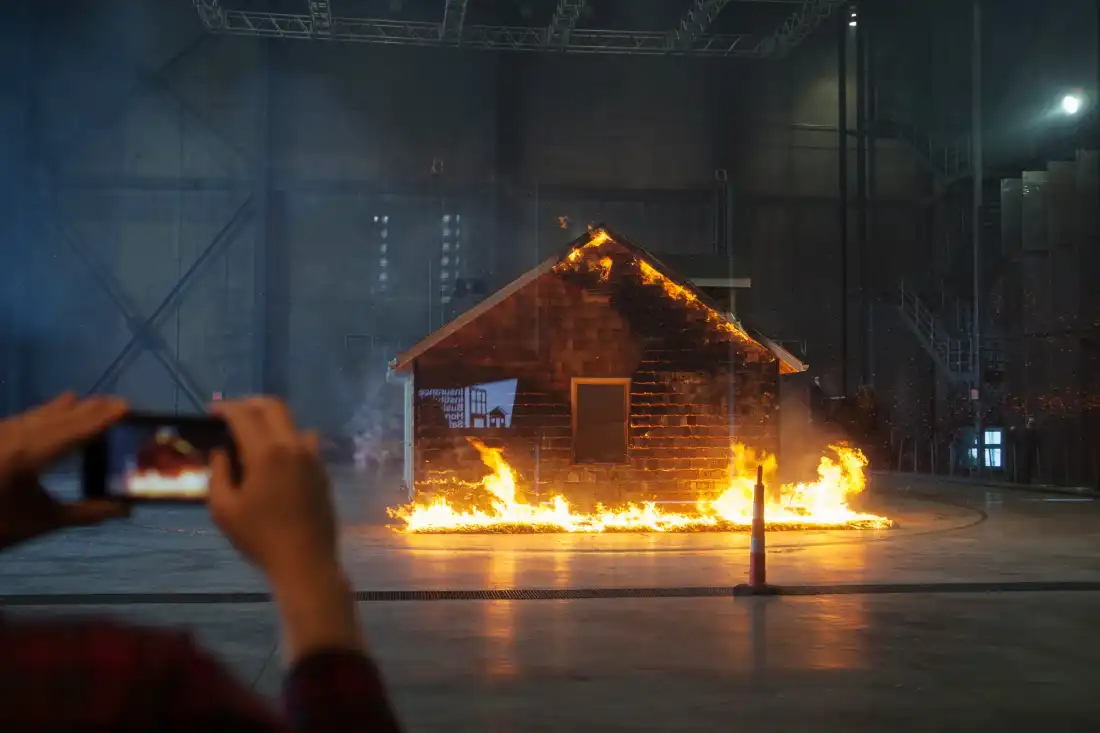
The first episode features a visit to a research lab in South Carolina. Here, researchers conduct tests on “crash-test dummies for houses,” subjecting them to fire and extreme weather to identify effective protective measures. Major insurance companies fund this lab to assess home risks and find ways to reduce damages and claims.
Experiments like these are not new. In the early 20th century, Underwriters Laboratories, supported by insurers, tested electrical systems and appliances to reduce fire risks. The Insurance Institute for Highway Safety uses similar methods for improving car safety.
Moral Hazard and Incentives
The concept of “moral hazard” complicates the insurance dynamic. When insurance covers the cost of damages, there may be less incentive for homeowners to reduce risks, such as upgrading to safer materials and designs. While insurers could counteract this by offering discounts for safety improvements, such discounts often fall short.
For example, in Paradise, California, efforts to create safer communities have resulted in only minor insurance savings. This raises questions about whether the market accurately reflects risk reduction efforts.
Regulatory Challenges and Market Dynamics
Finding coverage isn’t easy. Some insurers have stopped renewing policies in fire-prone areas, pushing families onto California’s FAIR Plan, a last-resort insurance option. However, challenges extend beyond climate change. Proposition 103, requiring state approval for rate changes, may have kept premiums low and inadvertently encouraged development in risky zones.
UC Berkeley economist Nancy Wallace suggested that backward-looking pricing models have distorted the market, leading insurers to withdraw as they face unmanageable payout demands.
Future Directions
Adjusting regulations to allow forward-looking pricing models might increase coverage availability. In late 2024, California introduced new rules to enable insurers to consider future wildfire risks. This change could ease the process of obtaining insurance in high-risk areas.
My family moved from the FAIR Plan to a “non-admitted market” insurer. While the new policy offers better coverage, it lacks state protection if the insurer fails. We hope the market stabilizes soon.
For a deeper understanding of these challenges, listen to Alexi’s series: Inside the Insurance Industry’s Destruction Lab and Are Wildfires Making the Future Uninsurable? More insights are expected in upcoming reports on California’s insurance market transition.
Leave a Reply