Introduction
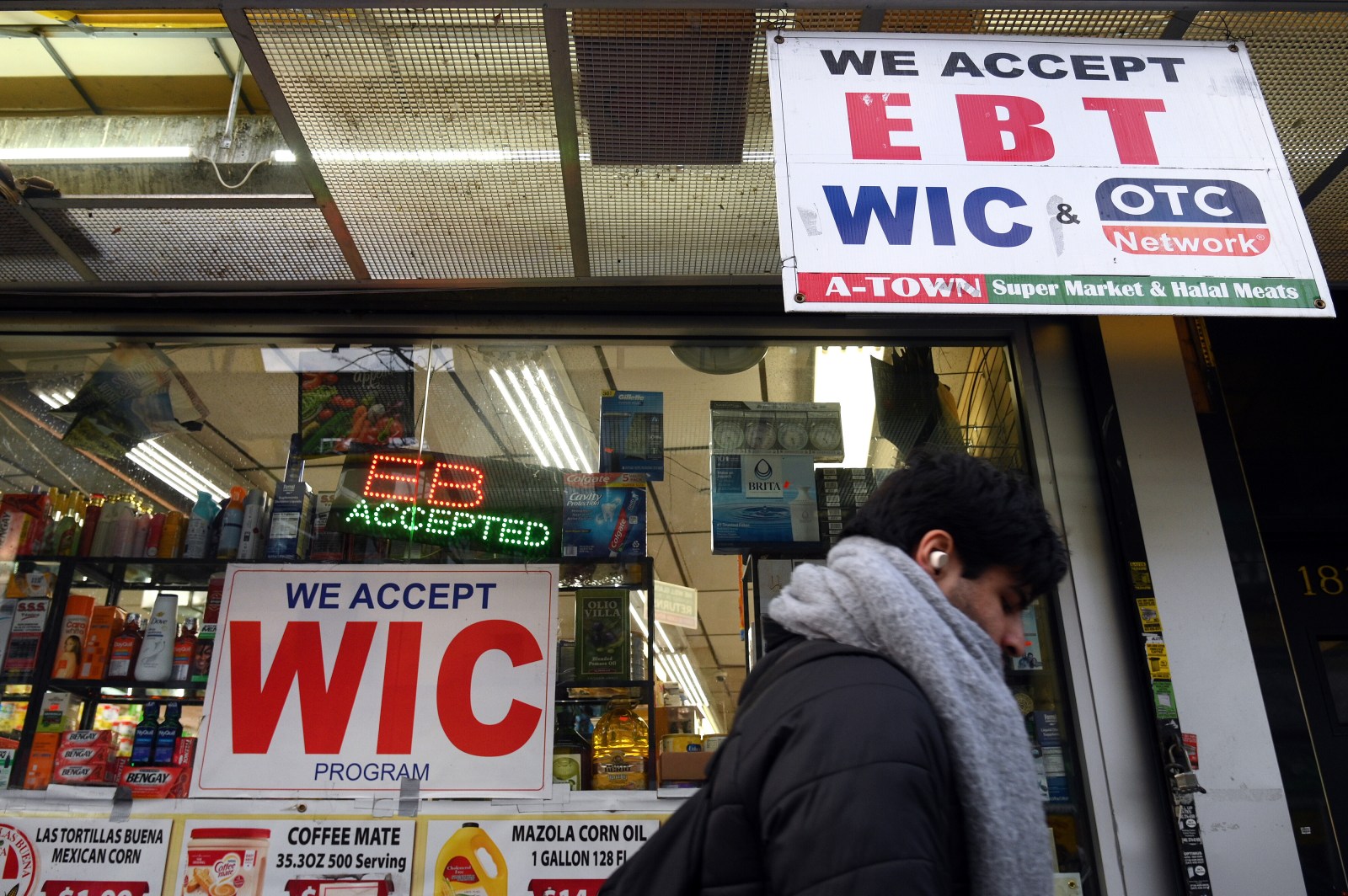
A new House bill aims to provide eligible households with an extra $60 per month to purchase fruits and vegetables. Many of the targeted recipients are already benefiting from the Supplemental Nutrition Assistance Program (SNAP). Known as the Fresh Bucks for Fresh Produce Act, the bill was introduced by Democratic Representative Pramila Jayapal along with several cosponsors on July 2. This legislation seeks to establish a pilot program under the U.S. Department of Agriculture (USDA) to assist lower-income families in acquiring fresh produce.
The Importance of the Bill
SNAP has been a contentious issue, causing division in Congress. Lawmakers from both parties have debated over the program’s size and future scope. Proponents of the new bill argue that high grocery prices and limited access in food-insecure communities keep healthier options out of reach for many families. The legislation aims to address this by allocating extra funds specifically for fresh fruits and vegetables.
Key Details of the Bill
The Fresh Bucks for Fresh Produce Act proposes a federal pilot program administered by the USDA. Under this framework, eligible households would receive an additional $60 monthly to spend on qualifying fruits and vegetables. The bill extends beyond current SNAP recipients, as households earning 80 percent or less of their area’s median income would also qualify. For SNAP recipients, the income requirement is automatically met. Additionally, the legislation encourages states to create opt-in or auto-enrollment systems for SNAP participants to minimize paperwork.
Michael Ryan, founder of MichaelRyanMoney.com, stated, ‘This bill doesn’t rewrite SNAP. It piggybacks on SNAP to deliver a produce-only benefit and test whether targeted nutrition support works better than broader cash value food aid.’ The $60 monthly support would recur and be restricted to qualifying produce purchases, serving as a supplement to existing SNAP benefits and potentially distributed through the government’s Electronic Benefits Transfer (EBT) system.
Eligible food purchases include fresh, frozen, or dried fruits and vegetables without added fat, sugar, or salt, as well as herbs and certain edible plant starts.
Implementation Strategy
The bill will initially launch as a pilot program through grants awarded to states rather than implementing a nationwide benefit immediately. The USDA is tasked with ensuring geographic diversity by selecting at least one state from each major U.S. region. States are encouraged to prioritize communities facing food insecurity.
Participating states will collect data on food security, fruit and vegetable consumption, and other outcomes to assess the program’s effectiveness in improving nutrition and access to healthy foods. Drew Powers, founder of Powers Financial Group, emphasized, ‘Fresh produce is far more expensive than processed junk foods, so this extra money would be of great help to families in need.’
Kevin Thompson, CEO of 9i Capital Group, noted that the financial impact might not be significant, especially after recent SNAP cuts. However, he feels the bill may restore some access rather than expanding it dramatically.
Legislative Process and Future Steps
The Fresh Bucks for Fresh Produce Act is currently under consideration by the House Agriculture Committee. If approved by Congress, it will establish a five-year pilot program rather than a permanent food benefit. The USDA would need to report initial results to Congress within 12 months of enactment and provide a final report after five years.
Michael Ryan commented, ‘Odds are modest. Pilot programs are easier to sell than permanent entitlement expansions, but any bill that adds federal nutrition spending still hits budget hawks.’
Leave a Reply