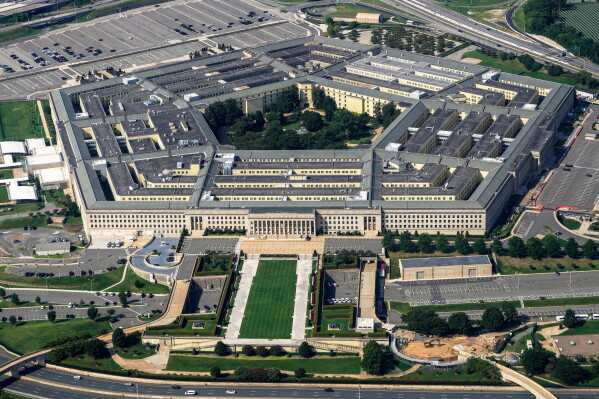
The U.S. House of Representatives took a significant step by passing a war powers resolution aimed at halting military action against Iran. This move challenges President Donald Trump’s policies after several Republicans joined Democrats to address the ongoing conflict, affecting both national and international politics.
House Speaker Mike Johnson had previously tried to prevent a vote that would highlight mounting opposition to the war. Two weeks ago, he abruptly ended a session when the resolution was about to pass. However, dissent has increased as the conflict continues and Trump struggles to negotiate a peace plan.
The resolution passed with a vote of 215-208, but future actions remain uncertain. Trump is likely to reject any Congressional attempts to limit his military authority. Yet, the vote, with four Republicans siding with Democrats, was a clear rebuke to Trump’s war strategy, met with cheers in the House.
Democratic leader Hakeem Jeffries has criticized the costly and self-chosen war, emphasizing the financial burden and strategic weakening it has placed on the U.S. regarding Iran. The opposition to the conflict grows as this marks the fourth attempt by the House to curtail the U.S. war against Iran. Last month, the Senate made similar efforts when several Republican senators opposed the President, revealing a rare split within the party.
The frequency of these resolutions reflects the political discomfort sparked by the conflict. Trump’s original campaign pledged to end U.S. foreign wars and concentrate on domestic issues, but the war refocused attention on the Middle East. Johnson argued that Trump is still focused on domestic concerns, particularly ahead of midterm elections.
The President of the House noted recent discussions with Trump at the White House, where Trump seeks support to reopen the Strait of Hormuz for trade, crucial for oil flow. Since the U.S. joined Israel in strikes against Iran, American gas prices surged, intensifying inflation pressures. Iran’s disruption of maritime transport in the strait, a key channel for global oil and gas, has prompted strategic concerns.
Johnson stated work continues to resolve the Hormuz issue, signaling widespread interest in reopening it for commerce. Although a ceasefire was declared in April, the situation remains fragile. Talks for lasting peace have stalled, compounded by Israel’s ongoing war with Hezbollah in Lebanon. Sporadic U.S.-Iran military skirmishes persist.
Congress Asserts War Powers Authority
The House’s war powers resolution, while symbolic and lacking legal force, signals a challenge to further military actions. The resolution now awaits Senate attention, where parallels to similar recent initiatives might influence its passage. The Senate’s final vote remains pending.
During a House Foreign Affairs Committee hearing, Secretary of State Marco Rubio warned that passing a war powers resolution might signal U.S. strategic restraints to Iran, potentially affecting negotiations. Rubio expressed concern that Iran might feel emboldened if congressional limits handicap U.S. military responses.
The House is also considering other national security measures. Among them, a Democrat-led proposal supports military operations in Ukraine against Russia and aids in Ukraine’s reconstruction. Additional resolutions aim to block U.S. military actions in Lebanon.
The Constitution grants Congress war declaration authority, yet presidential powers enable military action, creating legal debates over war and peace jurisdiction. Under the War Powers Act, the White House has a 60-day window to seek congressional approval for military action. The administration, citing the Iran ceasefire, has deemed hostilities ceased, affecting the current legal landscape.
Leave a Reply