Dogs do more than wag their tails and look adorable. They can play a crucial role in human health, particularly for those dealing with anxiety. According to the National Institute of Mental Health, anxiety disorders affect around 19.1 percent of U.S. adults annually. Though not a substitute for professional help, dogs can offer emotional support, helping reduce stress and anxiety.
A 2019 study in the journal Animals showed that people interacting with dogs experienced reduced anxiety and improved mood compared to a control group. This aligns with Mayo Clinic guidance, suggesting pet interaction can lower cortisol while boosting oxytocin, aiding emotional bonding.
Breeds Best Suited for Anxious Owners
Evan Doggett, a certified dog trainer with SpotOn Fence GPS, discusses dog breeds that can provide comfort to anxious owners. He notes that working and show lines impact a dog’s temperament and exercise needs.
Newfoundland
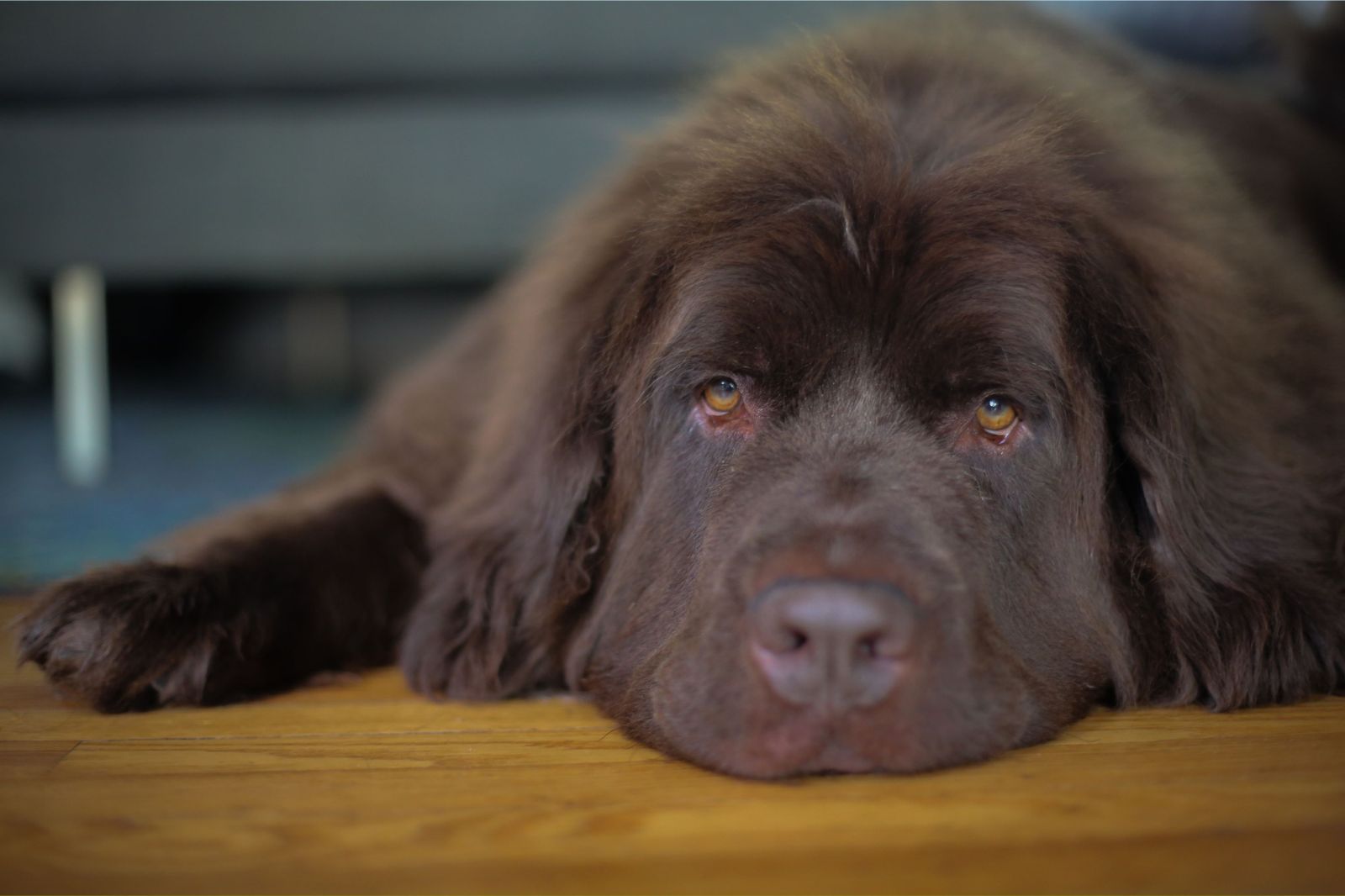
Newfoundlands, often called “gentle giants,” provide a calming presence and strong attachment. These traits are beneficial for those with anxiety. Known for their gentle nature, they’re often used as therapy dogs. However, they require significant grooming due to their thick coat.
Labrador Retriever
Labrador retrievers are a popular breed in the U.S., known for their friendly nature. Their enthusiasm and trainability make them ideal for therapy. Their upbeat personality helps anxious owners stick to a routine and stay active. Doggett warns that “field” Labradors have higher energy than therapy-bred ones.
Golden Retriever
Golden retrievers are valued for their gentle and emotionally attuned nature. They are popular in therapy settings due to their kind disposition. Like Labs, golden retrievers’ energy levels can vary. Field-line goldens are more active than companion-bred ones.
Poodles
Poodles, including miniature ones, excel as therapy or emotional support dogs. Doggett notes their commitment to their human’s wellbeing once familiar with their role. Poodles are playful and independent, staying close to owners in stimulating environments like dog parks.
Greyhound
Retired racing greyhounds might surprise some with their calm nature. Despite their speed in races, they are laid-back and suitable as therapy dogs. They form strong bonds with one or two people, making them meaningful companions for those with anxiety.
Rescue Dogs as Exceptional Companions
Some of the best therapy dogs are rescue dogs, particularly mixed breeds aged 5 to 7. Doggett emphasizes that older dogs can learn efficiently and provide undivided attention, needing less exercise.
Additional Considerations
Early-life experiences and overall health can impact a dog’s anxiety levels. Doggett highlights that dogs spayed or neutered early may become more anxious without dietary support. Nutrition is vital too. Dogs on a balanced or raw diet tend to be calmer and healthier. While dogs offer comfort, they aren’t substitutes for professional treatment. They complement other anxiety-management strategies through companionship, routine, and affection.
Leave a Reply