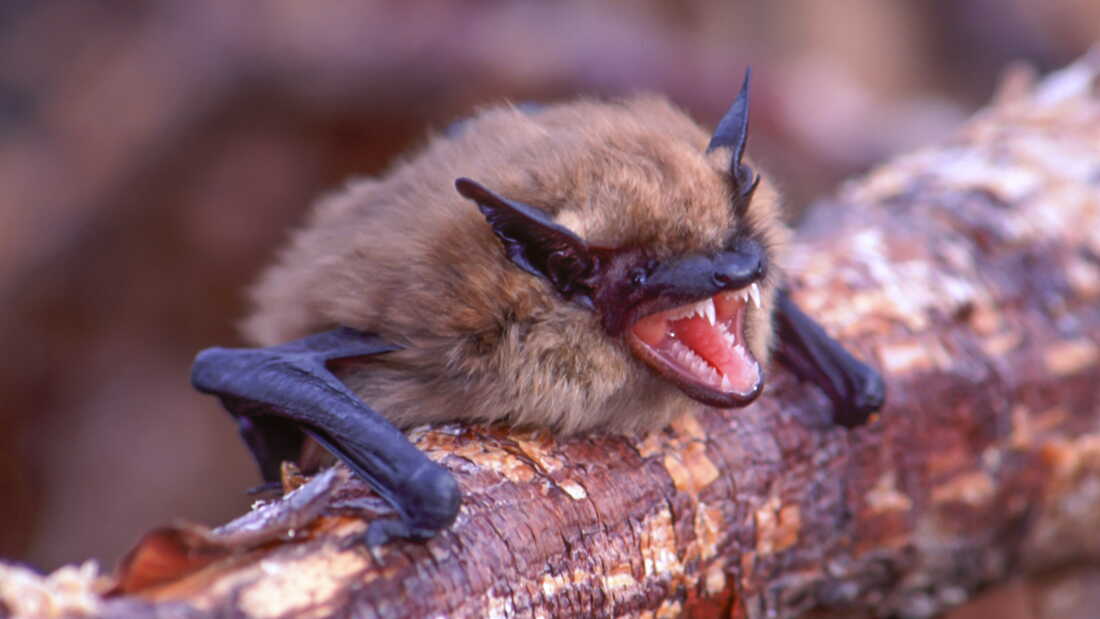
White nose syndrome has drastically reduced the population of little brown bats, formerly the most abundant bat species in the eastern United States. This fungal disease severely impacts bats as they hibernate, threatening their existence across the U.S.
Conservation biologist Giorgia Auteri and her team have identified genetic mutations in some surviving bats. These mutations might explain how natural selection is helping bats endure the crisis, offering insights that could guide future conservation methods.
Bats play a vital role in ecosystems, aiding with pest control and pollination. The decline of their populations could have serious ecological consequences. Auteri’s research emphasizes the importance of genetic diversity in species survival.
For more discussions on animal science and related topics, you can reach out at [email protected]. Supporting public media through NPR+ offers benefits across various podcasts, such as sponsor-free listening. More details are available at plus.npr.org.
This episode of Short Wave is accessible on platforms like Spotify and Apple Podcasts, providing convenient listening options for audiences interested in scientific and environmental matters.
Production credits include Hannah Chinn as the producer, with editing by Rebecca Ramirez and Lauren Gonzalez. Tyler Jones ensured the accuracy of the content, and the audio engineering was managed by Annlie Huang.
Leave a Reply