There are countless options for bedding available online and in stores, including pillowcases, flat sheets, and comforters. Choosing the right ones for your needs can be overwhelming. However, one non-negotiable aspect of bedding care is regular cleaning to avoid stains, odors, and damage.
Washing Frequency for Bedding
Salvador Villarreal, owner of VIP Cleaners & Laundry, advises washing your bedding once a week as a general rule. This includes fitted and flat sheets. Pillowcases require more frequent cleaning—every three to seven days—and duvet covers should be washed every two to four weeks. Comforters or duvet inserts need cleaning at least every three weeks.
If pets share your bed, or if you have allergies, consider washing bedding twice a week. For duvet covers and inserts, switch to washing every two weeks. Mattress protectors follow a one-to-two-month cleaning schedule.
When to Replace Bedding
Bedding replacement depends on usage and washing frequency. Villarreal recommends replacing sheets every two to five years. Common signs that sheets need replacing include persistent stains, thinning fabric, pilling, tears, and diminished elasticity. Fitted sheets wear out the fastest due to friction, as highlighted by Kim Romine, a fabric care scientist at Tide.
Top Products for Sheet Care
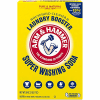
A popular choice for laundry detergent is made with sodium carbonate, an effective cleaner. Despite similarities with baking soda, sodium carbonate boasts greater chemical strength. This product, aside from laundry use, cleans pots, pans, surfaces, and upholstery. However, avoid using it on silk, leather, or wool.
For those avoiding traditional bleach, a powder oxygen bleach serves as a reliable alternative. It enhances whiteness in clothing and bedding and lacks the strong odor typical of chlorine bleach. Suitable for canvas shoes, sports uniforms, and more, soaking significantly enhances its effect.
The Breeze Sheets offer a eucalyptus lyocell material known for its breathability. This fabric absorbs and releases moisture, reducing humidity trapping, which means less sweat stain buildup.
A popular mattress protector comes in sizes from twin to California king and is entirely waterproof. Shoppers confirm its ability to keep mattresses dry effectively.
Optimal Washing Techniques
Villarreal recommends using warm water, approximately 90-105 degrees Fahrenheit, for optimal cleaning while preserving fabric integrity. Overloading the washing machine hinders proper movement and cleaning. Excessive detergent can leave fabrics stiff, so avoid it. Use medium heat in the dryer, removing promptly to minimize wrinkles.
Romine advises washing bedding separately from towels. This ensures thorough cleaning and optimal detergent and water access to garments.
Additional Tips for Bedding Care
Signs of wear like fraying edges and seams indicate replacement rather than washing. Hot sleepers should wash and change sheets more frequently, potentially every few days. Cooling sheet options, such as the Buffy Breeze Sheet Set, may be beneficial.
Pet owners should also increase washing frequency due to accumulated hair, dander, dirt, and allergens. Romine notes that bedding naturally gathers dust and environmental debris over time.
Expert Insights
Salvador Villarreal operates VIP Cleaners and Laundry in San Diego. Kim Romine is a Tide fabric care scientist. NBC Selected collaborates with experts possessing specialized training and authority. Expert advice and recommendations are made independently.
The article was prepared independently of Procter & Gamble, despite Romine’s association.
For comprehensive coverage on cleaning and laundry, follow NBC Selected on social media for updates.
Leave a Reply